

Vegetables are often praised as “healthy,” but that word alone doesn’t explain why they matter. The healthiest vegetables don’t just contain vitamins — they deliver concentrated nutrients your body relies on for digestion, hormone balance, immunity, steady energy, brain function, and even mood.
When your body consistently receives the nutrients it needs, common issues like fatigue, cravings, bloating, and low energy often begin to improve naturally. Choosing the right vegetables isn’t about filling your plate — it’s about giving your system what it requires to function at its best.
Below are ten of the healthiest vegetables, what their key nutrients do inside the body, and how they support long-term wellbeing.
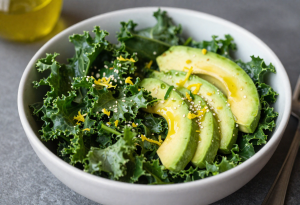
🥬 Kale
Kale is one of the healthiest vegetables you can add to your plate. This leafy green is especially supportive for bone strength, immune function, and reducing inflammation, making it valuable for metabolic and cardiovascular health.
Nutritional Snapshot (1 cup raw kale)
| Nutrient | Approximate % Daily Value | Why It Matters |
|---|---|---|
| Vitamin K | 68% DV | Supports blood clotting and bone strength |
| Vitamin A | 6% DV | Essential for immune function and skin health |
| Vitamin C | 22% DV | Powerful antioxidant for immunity and collagen production |
| Calcium | Small amount | Supports bones and muscle function |
| Potassium | Small amount | Supports nerve signalling and heart health |
Kale is rich in antioxidants that help reduce oxidative stress in the body. Its fiber supports digestion and gut health, while its nutrient density makes it beneficial for overall energy and cellular function.
Because several of kale’s key nutrients are fat-soluble, pairing it with healthy fats like olive oil or avocado improves absorption and helps your body use those nutrients more effectively.

🌿 Spinach
Spinach is a versatile leafy green packed with nutrients that support energy production, muscle function, brain health, and overall well-being — all while being very low in calories. Its mild flavor makes it easy to include raw in salads or lightly cooked in meals.
Nutritional Snapshot (1 cup raw spinach)
| Nutrient | Approximate % Daily Value | Why It Matters |
|---|---|---|
| Vitamin K | 121% DV | Supports bone strength and cardiovascular health |
| Vitamin A | 16% DV | Important for immune defenses and vision |
| Folate | 14% DV | Essential for cell growth and hormone regulation |
| Iron | 5% DV | Supports oxygen transport and energy levels |
| Magnesium | Small amount | Supports muscle relaxation and stress regulation |
Spinach also helps support red blood cell production and nervous system function. Lightly cooking spinach can reduce compounds that inhibit mineral absorption, making its nutrients easier for your body to use.
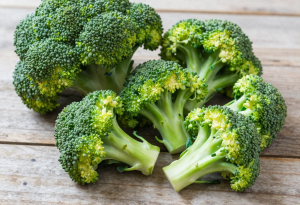
🥦 Broccoli
Broccoli is a cruciferous powerhouse known for supporting detoxification, hormone balance, and gut health. Its rich nutrient profile makes it a valuable addition to meals, whether eaten raw, steamed, or lightly roasted.
Nutritional Snapshot (1 cup raw broccoli)
| Nutrient | Approximate % Daily Value | Why It Matters |
|---|---|---|
| Vitamin C | 77% DV | Supports immune defense and tissue repair |
| Vitamin K | 92% DV | Contributes to bone and heart health |
| Fiber | 10% DV | Aids digestion and helps stabilize blood sugar |
| Folate | Small amount | Supports metabolic and nervous system function |
| Potassium | Small amount | Supports nerve signalling and heart function |
Broccoli is also rich in sulforaphane, a powerful antioxidant that reduces inflammation and supports liver detox pathways. These compounds make it particularly beneficial for hormonal balance, metabolic health, and overall well-being.

🥬 Brussels Sprouts
Brussels sprouts are small but exceptionally nutrient-dense, offering strong support for digestion, immunity, and hormone regulation. As part of the cruciferous vegetable family, they provide powerful plant compounds that benefit overall metabolic health.
Nutritional Snapshot (1 cup raw Brussels sprouts)
| Nutrient | Approximate % Daily Value | Why It Matters |
|---|---|---|
| Vitamin K | 137% DV | Supports bone density and healthy circulation |
| Vitamin C | 81% DV | Protects cells from oxidative damage and supports immunity |
| Folate | 12% DV | Essential for DNA synthesis and hormone health |
| Fiber | 13% DV | Supports gut health and promotes fullness |
Brussels sprouts are rich in fiber that feeds beneficial gut bacteria, influencing digestion, immune function, and even mood regulation. Roasting enhances their natural sweetness while preserving much of their nutrient value, making them both flavorful and functional.
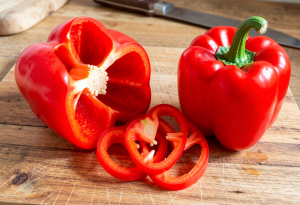
🫑 Red Bell Peppers
Red bell peppers are one of the richest vegetable sources of vitamin C, making them especially beneficial for immune strength, skin health, and collagen production. Their bright colour reflects their high antioxidant content, which helps protect cells from oxidative stress.
Nutritional Snapshot (1 cup chopped red bell pepper)
| Nutrient | Approximate % Daily Value | Why It Matters |
|---|---|---|
| Vitamin C | 190% DV | Essential for immune defense and collagen production |
| Vitamin A | 32% DV | Supports vision, skin health, and immune function |
| Vitamin B6 | Small amount | Supports brain function and energy metabolism |
| Folate | Small amount | Supports cell repair and metabolic health |
Vitamin C also enhances iron absorption from plant-based foods, making red bell peppers a smart addition to meals containing leafy greens, beans, or lentils. Because they are naturally sweet and low in calories, they’re an easy way to boost nutrient intake without adding excess energy.

🥕 Carrots
Carrots are well known for their rich beta-carotene content, a powerful antioxidant that the body converts into vitamin A. This makes them especially supportive for vision, immune function, and healthy skin.
Nutritional Snapshot (1 cup raw carrots)
| Nutrient | Approximate % Daily Value | Why It Matters |
|---|---|---|
| Vitamin A (from beta-carotene) | 184% DV | Supports vision, immune health, and skin repair |
| Fiber | Small amount | Promotes digestive regularity and gut health |
| Potassium | Small amount | Supports fluid balance and muscle function |
Vitamin A plays a crucial role in immune response and cellular repair. Cooking carrots can increase the availability of beta-carotene, and pairing them with healthy fats like olive oil helps improve absorption, allowing your body to use this nutrient more effectively.

🍠 Sweet Potatoes
Sweet potatoes are a nutrient-dense root vegetable that provide steady, long-lasting energy along with powerful antioxidant support. Their natural sweetness comes from complex carbohydrates that digest slowly, helping maintain stable energy levels.
Nutritional Snapshot (1 medium baked sweet potato)
| Nutrient | Approximate % Daily Value | Why It Matters |
|---|---|---|
| Vitamin A | 283% DV | Supports immune function and eye health |
| Vitamin C | 33% DV | Aids tissue repair and strengthens immunity |
| Fiber | 15% DV | Promotes gut health and helps regulate blood sugar |
| Potassium | Small amount | Supports nerve signalling and muscle contraction |
Sweet potatoes are rich in beta-carotene and other antioxidants that help reduce oxidative stress. Their complex carbohydrates provide sustained fuel, making them especially helpful during periods of stress, recovery, or fatigue.
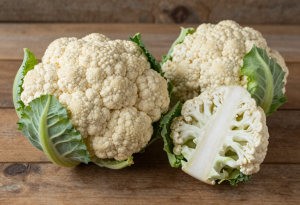
🥦 Cauliflower
Cauliflower is a versatile, low-calorie vegetable that supports digestion, metabolic health, and overall cellular protection. Its mild flavor makes it easy to include in a wide range of meals, from roasted dishes to blended alternatives.
Nutritional Snapshot (1 cup raw cauliflower)
| Nutrient | Approximate % Daily Value | Why It Matters |
|---|---|---|
| Vitamin C | 58% DV | Protects cells from oxidative stress and supports immunity |
| Vitamin K | Small amount | Supports blood clotting and bone health |
| Fiber | Small amount | Aids digestion and promotes satiety |
As a cruciferous vegetable, cauliflower contains beneficial plant compounds that support natural detoxification pathways and help reduce inflammation. Its fiber content promotes gut health while its low energy density makes it helpful for weight management and metabolic balance.
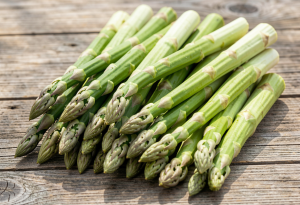
🌿 Asparagus
Asparagus is a nutrient-dense vegetable that supports gut health, hormone balance, and nutrient absorption. It’s especially valued for its prebiotic fiber, which feeds beneficial gut bacteria and promotes digestive health.
Nutritional Snapshot (1 cup raw asparagus)
| Nutrient | Approximate % Daily Value | Why It Matters |
|---|---|---|
| Vitamin K | 56% DV | Supports bone strength and cardiovascular health |
| Folate | 34% DV | Important for hormone regulation and healthy cell growth |
| Prebiotic Fiber | Small amount | Feeds beneficial gut bacteria and supports digestion |
Asparagus acts as a natural prebiotic, helping improve nutrient absorption and digestive balance. It also supports fluid balance in the body, which may help reduce bloating and promote overall metabolic function.
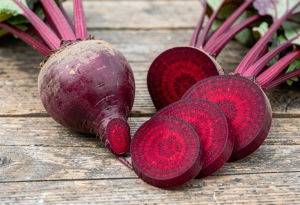
Beets
Beets are a vibrant root vegetable known for supporting circulation, heart health, and endurance. Their deep red colour reflects their high antioxidant content, which helps protect cells and support overall cardiovascular function.
Nutritional Snapshot (1 cup raw beets)
| Nutrient | Approximate % Daily Value | Why It Matters |
|---|---|---|
| Folate | 37% DV | Supports red blood cell production and cellular health |
| Fiber | Small amount | Aids digestion and helps regulate blood sugar |
| Potassium | Small amount | Supports heart rhythm and muscle function |
Beets naturally contain dietary nitrates, which help improve blood flow by supporting healthy blood vessel function. This can enhance exercise performance, circulation, and overall cardiovascular health. Their fiber content also supports digestive balance and metabolic well-being.
How to Improve Nutrient Absorption
Small adjustments can significantly improve how your body absorbs and uses nutrients:
- Pair fat-soluble vitamins (A, D, E, and K) with healthy fats like olive oil or avocado
- Lightly cook certain vegetables (such as carrots and sweet potatoes) to enhance bioavailability
- Include both raw and cooked vegetables to maximise nutrient diversity
- Eat a variety of colours to ensure a broader range of antioxidants and phytonutrients
These simple habits help your body extract more value from the foods you eat.
Making Nutrient-Dense Vegetables Sustainable
Consistency matters more than perfection. Choosing vegetables you genuinely enjoy, rotating options throughout the week, and preparing them in ways that suit your lifestyle makes healthy eating realistic and sustainable.
Nutrient-dense vegetables provide powerful everyday support for your body. When eaten regularly, they help build resilience, protect long-term health, and reduce reliance on restrictive dieting.
Frequently Asked Questions
What does “nutrient-dense” mean?
Nutrient-dense foods provide a high amount of vitamins, minerals, fiber, and beneficial compounds relative to their calorie content.
Are raw vegetables more nutritious than cooked?
Not always. Some nutrients are better preserved raw, while others (like beta-carotene) become more available when lightly cooked. A mix of both is ideal.
Can nutrient-dense vegetables help with weight management?
Yes. Because they are high in fiber and low in calories, they promote fullness while supporting metabolic health.
How many servings of vegetables should I eat daily?
Most health authorities recommend several servings per day, ideally including a variety of colours and types.
The nutritional information and health guidance in this article are backed by evidence from authoritative sources. The United States Department of Agriculture’s FoodData Central provides detailed nutrient profiles for individual vegetables, while Harvard T.H. Chan School of Public Health highlights the role of vegetables in supporting immunity, metabolic health, and chronic disease prevention.
