
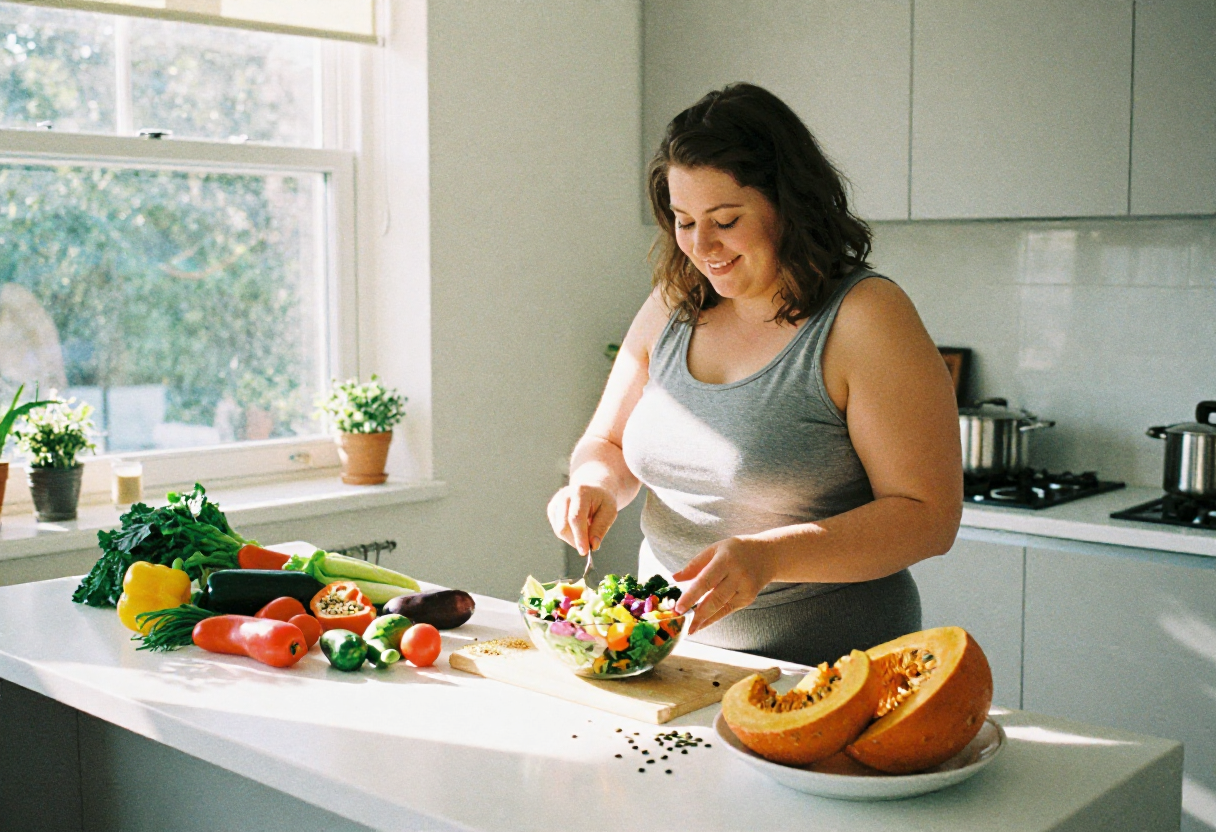
Iron is one of the most important minerals for your body, yet many people don’t get enough. It plays a crucial role in carrying oxygen through your blood, supporting energy production, maintaining immunity, and keeping your brain functioning optimally. Low iron levels can lead to fatigue, brain fog, poor concentration, and even compromised physical performance.
While iron supplements can help, it’s always best to start with your diet. Here are 7 iron-rich foods that can naturally boost your energy and overall health, along with how much iron they provide and tips to maximize absorption.
Recommended Daily Iron Intake (RDI)
- Adult men (19+): 8 mg/day
- Adult women (19–50): 18 mg/day
- Pregnant women: 27 mg/day
- Adults 51+: 8 mg/day
Note: These are general guidelines; individual needs may vary. It is recommended to see a GP to check your iron levels before starting supplements.
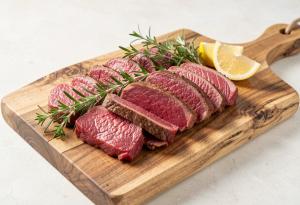
1. Red Meat
Red meat, especially beef and lamb, is one of the richest sources of heme iron, the type your body absorbs most efficiently. Heme iron is more bioavailable than plant-based iron, meaning your body can use it more effectively to make hemoglobin.
Iron content: 3 oz (85 g) cooked beef → ~2.5–3 mg iron (~30% RDI for men, 15% for women)
Benefits of red meat:
- Contains high-quality protein that supports muscle maintenance
- Provides vitamin B12, which works with iron to make red blood cells
- Rich in zinc and other trace minerals important for metabolism
Choose lean cuts when possible and pair with vitamin C-rich foods (like bell peppers) to improve absorption.
2. Spinach and Leafy Greens
Leafy greens like spinach, kale, and Swiss chard are excellent plant-based sources of iron. Plant iron is non-heme and less easily absorbed, but pairing it with vitamin C can significantly boost absorption.
Iron content: 1 cup cooked spinach → ~6 mg iron (~33% RDI for men and women)
Benefits of leafy greens:
- High in fiber for digestion and satiety
- Packed with antioxidants that support overall health
- Can easily be added to salads, smoothies, or omelets
Lifestyle tip: A morning green smoothie with spinach, orange, and a few seeds is a delicious way to kickstart your day with iron.
3. Lentils and Legumes
Lentils, chickpeas, and beans are naturally high in iron and ideal for vegetarians and vegans who don’t eat heme iron.
Iron content: 1 cup cooked lentils → ~6.6 mg iron (~40% RDI men, 36% women)
Benefits of lentils and legumes:
- High in protein, making them ideal for plant-based diets
- Contain complex carbs and fiber to keep you full longer
- Can be easily incorporated into soups, salads, or curries
Tip: Pair lentils with vitamin C foods like tomatoes or red peppers to maximize iron absorption.
4. Pumpkin Seeds and Nuts
Pumpkin seeds, cashews, and almonds are surprisingly rich in iron and also provide healthy fats, magnesium, and protein.
Iron content: 1 oz (28 g) roasted pumpkin seeds → ~2.3 mg iron (~15–30% RDI men, 10–15% women)
Benefits of pumpkin seeds and nuts:
- Easy to snack on, helping prevent low-energy slumps
- High in micronutrients that support brain and heart health
- Anti-inflammatory properties that complement a healthy diet
Lifestyle tip: Keep a small jar of roasted pumpkin seeds at your desk for a quick iron boost during work hours.
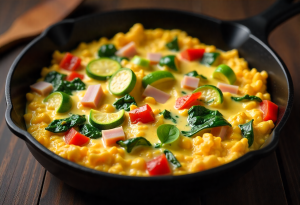
5. Eggs
Eggs, especially the yolk, are another excellent source of heme iron. They’re highly versatile and provide high-quality protein, choline for brain health, and other essential vitamins and minerals.
Iron content: 1 large egg → ~0.9 mg iron (~5% RDI)
Benefits of eggs:
- Easy to cook in many ways: boiled, scrambled, or in an omelet
- Helps maintain steady energy levels due to protein content
- Pairs well with spinach or tomatoes to combine heme and non-heme iron
Tip: Eating eggs for breakfast with some vitamin C-rich fruit can start your day energized and iron-replete.
6. Fortified Cereals and Whole Grains
Many breakfast cereals and whole grains are fortified with iron, which can help fill dietary gaps. Quinoa, oatmeal, and fortified cereals are excellent examples.
Iron content: 1 cup fortified cereal → 4–18 mg iron (varies by brand; ~20–100% RDI)
Benefits of fortified cereals and grains:
- Provide fiber to support digestion
- Often fortified with vitamins that improve iron absorption
- Convenient for quick meals or snacks
Tip: Choose cereals with minimal added sugar and combine with a glass of orange juice for maximum absorption.
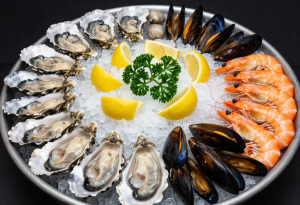
7. Shellfish and Seafood
Shellfish such as clams, oysters, and mussels are among the highest sources of heme iron. Fish like sardines and salmon also contain moderate amounts.
Iron content: 3 oz clams → 23.8 mg iron (~300% men / 140% women), 3 oz oysters → 8 mg iron
Benefits of shellfish and seafood:
- Heme iron is absorbed efficiently by the body
- Rich in omega-3 fatty acids, which support heart and brain health
- Adds variety to your diet, making iron intake enjoyable
Tip: Include seafood 1–2 times a week as part of a balanced diet.
How to Maximize Iron Absorption
Even with iron-rich foods, absorption can be affected by what you eat alongside them. Keep these tips in mind:
- Pair iron with vitamin C: Citrus, tomatoes, and peppers enhance absorption
- Avoid inhibitors around meals: Coffee, tea, and calcium can reduce absorption
- Cook smart: Lightly cooking spinach and legumes improves iron availability
- Supplement if needed: Many people benefit from an iron supplement like Nutricost Iron Tablets if diet alone isn’t enough. Always see a GP to check your iron levels before starting supplementation.
Why Take a 65 mg Iron Supplement?
Even with iron-rich foods, some people require extra support because:
- Absorption is limited: Non-heme iron from plants is absorbed at 2–20%; heme iron ~15–35%
- Dietary inhibitors exist: Coffee, tea, and calcium reduce absorption
- Deficiency correction: Blood tests may show low ferritin or anemia, which often requires 65–100 mg elemental iron/day to replenish stores
- Safe under guidance: A 65 mg supplement like Nutricost Iron Tablets provides enough iron without risk if monitored by a healthcare professional
For those struggling to get enough iron from food, an iron supplement like Nutricost Iron Tablets may help (consult your healthcare provider first).
Signs You Might Need More Iron
Even with a good diet, some people require additional iron. Common signs of low iron include:
- Persistent fatigue or low energy
- Pale skin or nails
- Frequent headaches or dizziness
- Difficulty concentrating
Final Thoughts
Iron is critical for energy, metabolism, and overall health. Including a mix of heme and non-heme iron foods in your daily diet, paired with absorption strategies, ensures your body gets the iron it needs. Whether it’s spinach in your smoothie, lentils in your soup, or a safe, high-quality supplement, small, consistent choices make a big difference.
References
- Harvard T.H. Chan School of Public Health. Iron: How to Get Enough and Why It Matters.
- National Institutes of Health (NIH). Iron: Fact Sheet for Health Professionals.
