

When it comes to fitness, many people believe they need intense workouts, extreme routines, or perfect motivation to see results. In reality, the biggest factor in long-term body transformation isn’t intensity — it’s consistent exercise performed over time.
Small, regular movement done week after week has a far greater impact on your body, health, and energy levels than short bursts of extreme effort. Understanding how consistency works can completely change the way you approach fitness and long-term health.
Why Consistent Exercise Matters More Than Intensity
One of the most common fitness mistakes is doing too much, too fast. High-intensity programs can feel motivating at first, but they often lead to burnout, injury, or long breaks — which stall progress entirely.
Regular exercise works because it:
- Allows your body to adapt gradually
- Reduces injury risk
- Supports long-term habit formation
- Keeps stress hormones lower
- Is easier to maintain alongside real life
Exercise consistency matters far more than occasional extreme effort, especially when the goal is sustainable, long-term fitness results.
What Happens in Your Body When You Exercise Regularly
When exercise becomes a regular part of your routine, your body begins to change in subtle but powerful ways:
- Metabolism improves: Muscle tissue becomes more efficient at burning calories, even at rest.
- Blood sugar regulation improves: Regular movement increases insulin sensitivity, helping reduce fat storage.
- Muscle tone increases: You don’t need extreme workouts — consistency gradually improves strength and shape.
- Energy levels rise: Exercise improves oxygen delivery and mitochondrial function, leading to better daily energy.
- Inflammation decreases: Regular movement helps reduce chronic inflammation linked to fatigue and weight gain.
- Regular movement also supports metabolism, which plays a key role in long-term weight management and energy balance — especially as we age.
How Long It Takes to See Real Results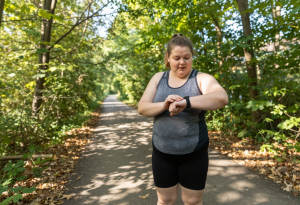
One of the biggest reasons people stop exercising is unrealistic expectations. Social media often shows dramatic transformations, but real, sustainable progress follows a different timeline.
With consistent exercise, most people notice:
- 2–4 weeks: Improved mood, better sleep, and slightly increased energy
- 4–8 weeks: Strength gains, better endurance, and subtle physical changes
- 8–12 weeks: Visible improvements in muscle tone, posture, and stamina
- 3–6 months: Clear body transformation and improved metabolic health
Common Mistakes That Break Exercise Consistency
Most people don’t fail because they lack discipline — they fail because their routine isn’t realistic.
Common mistakes include:
- Setting overly aggressive goals
- Relying on motivation instead of routine
- Skipping workouts after missing one session
- Choosing exercises they dislike
- Not allowing for rest and recovery
A sustainable workout routine works with your lifestyle, not against it.
How to Build a Sustainable Exercise Routine
The best workout plan is the one you can stick to long term. Sustainable exercise focuses on repeatable habits rather than perfection.
Helpful strategies include:
- Choosing activities you enjoy (walking, swimming, strength training, yoga)
- Scheduling workouts like appointments
- Starting small and increasing gradually
- Mixing strength, cardio, and mobility
- Allowing flexibility for busy or low-energy days
Even short sessions done consistently can deliver long-term fitness results.
Consistent Exercise and Long-Term Health
Beyond physical appearance, regular exercise supports whole-body health in powerful ways. It’s linked to:
- Reduced risk of heart disease
- Improved bone density
- Better hormone balance
- Lower stress and anxiety
- Healthier aging and mobility
Final Thoughts
Transforming your body doesn’t require extreme workouts or perfect discipline. It requires regular exercise, realistic expectations, and patience.
Over time, regular exercise becomes less about motivation and more about routine — and that’s when lasting results appear. When movement becomes part of daily life, strength builds, energy improves, and physical changes follow naturally.
Consistency isn’t flashy — but it works, and it works for life.
References:
