

Small daily habits for weight loss can have a bigger impact than occasional intense workouts or strict diets. By making small, consistent changes to your routines — like staying hydrated, moving more, eating balanced meals, and prioritising sleep — you can support metabolism, control appetite, and improve energy throughout the day.
These habits are easy to integrate into your lifestyle, and over time, they can lead to meaningful, sustainable weight loss without feeling overwhelming or restrictive.
Here are the key small daily habits that can produce big results when done consistently.

Why Small Habits Work for Weight Loss
Small daily habits for weight loss are effective because they take advantage of compounding effects over time. While a single healthy choice may seem minor, consistently making small improvements can significantly impact metabolism, appetite control, and energy balance.
These tiny habits are easier to maintain than drastic lifestyle changes, which often fail because they feel overwhelming. By focusing on simple, repeatable actions — like drinking water, taking a short walk, or choosing a protein-rich snack — you create a foundation for long-term weight management.
Habit stacking, where new healthy habits are linked to existing routines, further increases the likelihood of consistency. Over weeks and months, these small, intentional choices add up to measurable weight loss and healthier overall habits.

Habit 1: Hydrate First Thing & Throughout the Day
Staying hydrated is one of the simplest and most effective small daily habits for weight loss. After several hours of sleep, the body wakes up mildly dehydrated. Drinking a full glass of water first thing in the morning helps jumpstart metabolism, supports digestion, and can even reduce false hunger signals that lead to unnecessary snacking.
Beyond morning hydration, keeping water accessible throughout the day ensures you maintain energy, support healthy digestion, and aid your body in burning calories efficiently. Pairing hydration with light, water-rich foods like fruits or vegetables further reinforces this habit and contributes to satiety without adding excess calories.
Practical Tip: Keep a large glass or bottle of water on your kitchen counter or bedside table each morning to make the habit effortless.
Habit 2: Increase Daily Movement (NEAT + Steps)
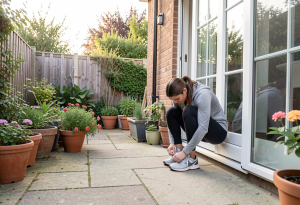
Moving more throughout the day is one of the most effective small daily habits for weight loss. You don’t need long gym sessions — increasing NEAT (Non-Exercise Activity Thermogenesis), like walking, stretching, taking stairs, or doing household chores, can burn extra calories and support metabolism.
Even short bouts of movement after waking, such as a 10–15 minute walk around the neighborhood or light stretching, improve circulation, insulin sensitivity, and energy levels. Over weeks, these consistent, small movements add up, helping you burn more calories and maintain a healthy weight without feeling like intense exercise is required.
Practical Tip: Wear a step tracker or set reminders to stand, walk, or stretch every hour to make daily movement habitual.

Habit 3: Balanced Meal Composition (Protein & Fiber)
Eating meals that combine protein and fiber is a small daily habit that supports weight loss by keeping blood sugar stable and preventing overeating later in the day. Protein helps maintain lean muscle mass and promotes satiety, while fiber-rich foods like vegetables, fruits, and whole grains slow digestion, helping you feel fuller for longer.
This doesn’t have to be complicated. Simple options include eggs with vegetables for breakfast, a salad with grilled chicken for lunch, or a bowl of beans with quinoa and colorful veggies for dinner. Over time, consistently choosing balanced meals reinforces appetite control, energy stability, and sustainable fat loss.
Practical Tip: Aim for protein in every main meal and include at least one high-fiber fruit or vegetable to make this habit effortless and effective.

Habit 4: Slow, Mindful Eating
Eating slowly and mindfully is a simple but powerful habit for weight loss. When you pay attention to your meals — noticing flavors, textures, and satiety cues — you naturally consume fewer calories and enjoy food more. Mindful eating helps prevent overeating and reduces the tendency to snack out of boredom or stress.
Practical ways to practice this habit include putting down your utensils between bites, chewing thoroughly, and eliminating distractions like phones or TV during meals. Over time, slowing down your eating reinforces better portion control and encourages a healthier relationship with food.
Practical Tip: Try setting a timer for 20–30 minutes for your main meals or focus on each bite to train your body to recognise fullness.
Habit 5: Healthy Ready Snacks (Prepped for Success)
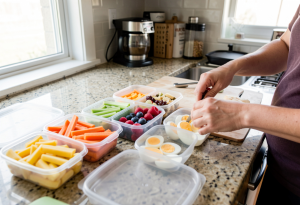
Having healthy snacks prepared in advance is a small daily habit that helps prevent impulsive, high-calorie choices. Prepping fruits, vegetables, or protein-rich snacks like boiled eggs or Greek yogurt in portioned containers makes it easy to grab something nutritious when hunger strikes.
This habit supports weight loss by keeping blood sugar stable and reducing the temptation for sugary or processed foods. Even simple options like carrot sticks with hummus, apple slices with nut butter, or a handful of almonds can make a big difference when they’re ready to eat.
Practical Tip: Spend 10–15 minutes once or twice a week prepping grab-and-go snacks in clear containers, so healthy choices are always within reach.

Habit 6: Prioritise Sleep & Rhythm
Getting consistent, quality sleep is a small daily habit that has a big impact on weight loss. Poor sleep can disrupt appetite-regulating hormones like leptin and ghrelin, increase cravings for high-calorie foods, and reduce motivation for daily movement. Maintaining a consistent sleep schedule helps regulate metabolism, energy levels, and hunger cues.
Simple ways to support this habit include going to bed and waking up at the same time each day, limiting screens before bed, and keeping the bedroom cool and dark. Over time, prioritising sleep makes it easier to stick to other weight-loss habits, creating a supportive cycle of healthy routines.
Practical Tip: Aim for 7–8 hours of sleep per night and use a relaxing bedtime ritual, like reading or light stretching, to signal your body it’s time to rest.

Habit 7: Habit Tracking (Not Calorie Counting)
Tracking your habits, rather than obsessively counting calories, is a simple daily action that supports long-term weight loss. Logging small daily actions — like water intake, movement, balanced meals, or sleep — helps you stay accountable and notice patterns over time.
Focusing on habits instead of calories reduces stress and promotes consistency. Over weeks, habit tracking makes it easier to identify which routines are helping and which need adjustment, leading to sustainable results.
Practical Tip: Use a notebook, phone app, or a simple checklist to track key daily habits. Keep it visible to reinforce consistency without overthinking every meal.

Habit 8: Stress Awareness & Mindful Check‑Ins
Managing stress is a small daily habit that can significantly influence weight loss. High stress levels increase cortisol, a hormone that can trigger cravings for sugary or high-fat foods and encourage fat storage, particularly around the belly.
Incorporating mindful check-ins throughout your day helps you recognise stress before it leads to unhealthy eating or skipped workouts. Simple practices include a few minutes of deep breathing, stretching, meditation, or even a short walk outside. These small moments reduce stress, improve mental clarity, and support consistent healthy habits.
Practical Tip: Schedule two or three 5-minute mindfulness breaks each day to check in with your body and emotions.
FAQ
Do small daily habits really lead to noticeable weight loss?
Yes. While each habit may seem minor, consistent daily actions — like staying hydrated, moving more, eating balanced meals, and prioritising sleep — compound over time to support sustainable weight loss.
How long does it take to see results from these habits?
Results vary by individual, but most people notice improvements in energy, appetite control, and weight management within 3–6 weeks of consistently practicing these small habits.
Do I need to track calories if I follow these habits?
Not necessarily. Focusing on habit tracking instead of calorie counting helps build consistency without stress. Logging actions like water intake, daily movement, or balanced meals is often more sustainable.
Can these habits work for someone with a busy schedule?
Absolutely. These small daily habits are designed to be practical and easy to integrate into any routine. Short bursts of movement, mindful eating, hydration, and stress check-ins can fit into even the busiest days.
Small daily habits can contribute to meaningful weight loss when practised consistently. According to Mayo Clinic, setting realistic goals, increasing physical activity, and choosing healthy foods support long‑term weight management and metabolic health. Harvard Health Publishing highlights practical strategies such as preparing healthy meals, eating slowly, and getting adequate sleep as daily habits that help foster lasting weight loss without extreme dieting.
