

Walking after meals is one of the simplest habits you can add to your day — and it can have a big impact on burning fat naturally. Whether it’s a short stroll after breakfast, lunch, or dinner, taking a few minutes to move your body helps your muscles use the glucose from food instead of storing it as fat. This small habit doesn’t require fancy equipment or a gym membership, but it can make a noticeable difference in your metabolism over time.
Short, consistent walks after each meal help regulate energy levels, prevent afternoon crashes, and improve your body’s ability to burn fat throughout the day. Unlike more intense workouts, these walks are gentle, manageable, and easy to fit into a busy schedule. By turning post-meal movement into a daily routine, you’re supporting weight management, boosting metabolism, and establishing a healthy lifestyle habit that lasts.
In this article, we’ll break down why walking after meals works, how long and how often you should walk, and practical tips to make it a sustainable part of your daily routine — all without focusing on evening sleep or dinner-specific routines.
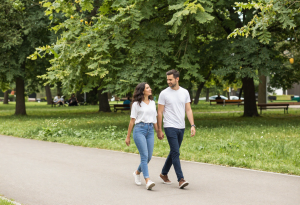
The Science Behind Post-Meal Walking and Fat Burning
After eating, your blood sugar rises, and your body releases insulin to help move glucose into your cells. If your muscles aren’t active, some of this glucose can be stored as fat. By taking a short walk after meals, your muscles use glucose for energy, which reduces fat storage and supports weight management.
Short walks also gently increase your metabolism. This effect, known as NEAT (non‑exercise activity thermogenesis), helps your body burn more calories throughout the day without high‑intensity exercise. Over time, these small bursts of movement can add up, supporting fat loss and boosting your overall energy levels.
Additionally, walking after meals aids digestion by helping food move through your digestive tract more efficiently. Unlike vigorous workouts, these walks are light, manageable, and safe for most people, making it easier to turn this habit into a sustainable daily routine.
Short Walks After Every Meal Are Highly Effective
Taking a short walk after each meal — breakfast, lunch, and dinner — is more effective than doing one long workout later in the day. Spreading movement throughout the day helps your muscles use glucose consistently, stabilises energy, and supports fat burning naturally.
Why short post‑meal walks work:
- Improved glucose control: Each walk helps your body process sugar from that specific meal.
- Consistent calorie burn: Small bursts throughout the day add up more than one long session.
- Better appetite regulation: Helps prevent overeating at your next meal.
- Easy habit formation: Short walks are simple to fit into daily routines.

How Walking After Meals Boosts Your Metabolism
Walking after meals gives your metabolism a gentle boost. Small bursts of activity throughout the day, even 10–20 minutes long, help your body burn more calories naturally without intense exercise.
Key benefits of post‑meal walking for metabolism:
- Increased calorie burn: Light movement after meals adds up over the day.
- Supports metabolic flexibility: Helps your body switch efficiently between burning glucose and fat.
- Reduces fat storage: Using glucose immediately reduces fat storage.
💡 Tip: Boost Your Daily Activity with NEAT
Not all movement has to be a workout! NEAT stands for Non‑Exercise Activity Thermogenesis, which is simply the small ways your body burns calories outside formal exercise.
Examples of NEAT include:
- Walking around the house or office
- Taking the stairs instead of the elevator
- Doing household chores or gardening
- Light stretching or fidgeting while standing
Even a 10–20 minute walk after meals counts toward NEAT, helping your body burn extra calories, improve metabolism, and support weight management — all without a gym session!
Practical tips to maximise benefits:
- Walk at a light to moderate pace, comfortable enough to talk.
- Consistency matters: Aim for a walk after every meal rather than a single long session.
- Hydration helps: Drinking water before or after your walk supports digestion and metabolism.

How Long and How Soon Should You Walk After Meals
Timing and duration matter when it comes to post‑meal walking. Starting too soon after a very large meal can be uncomfortable, but waiting too long reduces the metabolic benefits.
| Meal | Best Start Time | Duration | Pace |
|---|---|---|---|
| Breakfast | 5–10 min after eating | 10–15 min | Light to moderate |
| Lunch | 5–10 min after eating | 10–15 min | Light to moderate |
| Dinner | 10–15 min after eating | 15–20 min | Gentle pace |
Tips for success:
- Walk consistently after every meal rather than doing one long walk later in the day.
- Choose a comfortable route — indoors or outdoors.
- Avoid strenuous activity immediately after a large meal to prevent discomfort.
FAQ
How long should I walk after meals to burn fat?
- Aim for 10–20 minutes after each meal.
- Start 5–15 minutes after eating, depending on how full you feel.
- Keep a light to moderate pace, comfortable enough to talk.
Can walking after meals replace regular exercise?
- Short post‑meal walks support fat burning and metabolism, but they don’t replace structured workouts entirely.
- Combine with strength training, cardio, or other physical activity for the best overall health.
Is it better to walk after breakfast, lunch, or dinner?
- Any meal works — spreading short walks after each meal is most effective.
- Evening walks assist digestion, while morning or lunchtime walks help regulate energy during the day.
Short, light walking after meals is supported by evidence showing positive effects on blood sugar and metabolism. For example, a study reported by Diabetes.co.uk found that a 10‑minute walk after eating reduced post‑meal glucose levels more effectively than walking at other times, highlighting the benefit of timing activity after meals. Clinical investigations also show that post‑meal brief walking sessions can improve the body’s glucose response after different types of meals, suggesting benefits for everyday blood sugar control. Additionally, research published through PubMed Central demonstrated that three short walks after meals improved 24‑hour glucose control compared with one longer walk, indicating that frequency and timing matter for metabolic benefits.
