
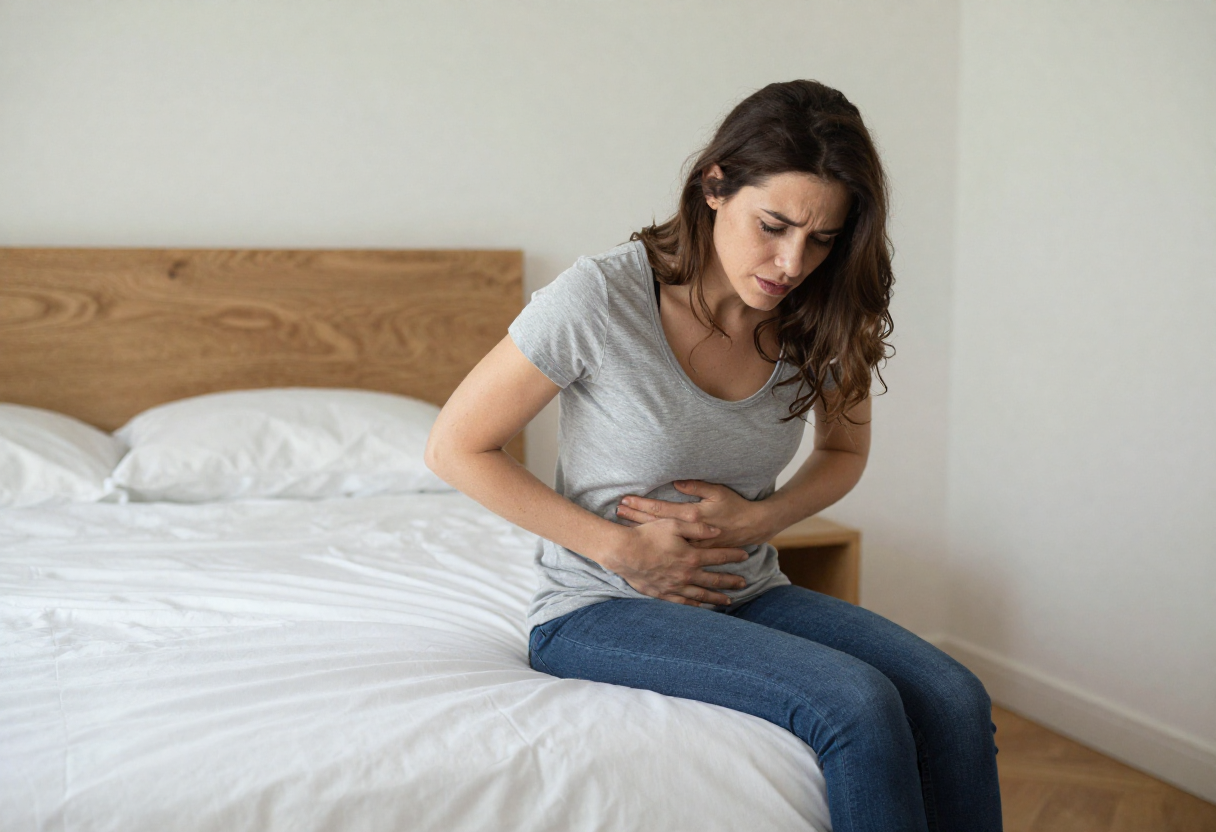
Why You Might Feel Bloated Every Day
Why am I always bloated?. Bloating happens when your stomach or abdomen feels swollen, tight, or uncomfortable. While it’s normal to feel bloated occasionally — for example, after a big meal — feeling bloated most days can indicate underlying issues. These can include dietary habits, hydration, digestion, or even hormonal factors.
Daily bloating can affect your energy, confidence, and overall comfort, but the good news is that small, practical adjustments can make a big difference.
Pay attention to patterns in your bloating — when it happens, what you eat, and lifestyle habits — to identify what triggers it.
1. Eating Too Quickly
When you eat too fast, you often swallow excess air, which accumulates in the digestive tract and leads to gas. Rushing meals can also prevent proper digestion, as larger food pieces are harder for your stomach to break down efficiently.
Signs this may be happening:
- Feeling full immediately after eating
- Frequent burping or gas
- Stomach tightness after small meals
How to fix it:
- Slow down — chew food thoroughly and put your fork down between bites
- Avoid talking while chewing
- Try eating at a table without distractions
Mindful eating, even for one meal a day, can gradually reduce bloating.

2. Too Much Salt and Processed Foods
Excess sodium makes your body retain water, which can make your stomach feel puffier than it really is. Processed foods, ready-made meals, sauces, and even some snacks can contain more salt than you realize.
Signs this may be the cause:
- Puffiness in the hands, feet, or face
- Feeling bloated after eating packaged or fast food
How to fix it:
- Use fresh ingredients and herbs for flavor instead of salt
- Read nutrition labels carefully
- Drink enough water to help your body flush excess sodium
Even small reductions in daily salt intake can significantly reduce bloating within a few days.
3. Food Sensitivities or Intolerances
Some foods are harder to digest or ferment in your gut, producing gas and bloating. Common triggers include:
- Dairy products (lactose intolerance)
- Wheat or gluten
- High-FODMAP foods such as onions, garlic, beans, and certain fruits
How to fix it:
- Keep a food diary to identify patterns
- Reduce portions of problem foods gradually
- Consider experimenting with alternatives (like lactose-free milk or gluten-free grains)
Even minor adjustments, like swapping cow’s milk for oat or almond milk, can reduce bloating significantly.

4. Dehydration and Low Water Intake
It may seem counterintuitive, but not drinking enough water can make bloating worse. When dehydrated, your body holds onto fluid, slows digestion, and may even increase constipation.
Signs this may be a factor:
- Constipation or irregular bowel movements
- Feeling heavy or “puffy” after meals
- Low energy and dry skin
How to fix it:
- Drink at least 2 liters of water daily
- Spread water intake throughout the day, not just in one sitting
- Add lemon, cucumber, or herbs for taste if plain water feels boring
Staying well-hydrated helps your digestive system work efficiently and prevents both bloating and constipation.
5. Hormonal Changes
Hormonal fluctuations, particularly in women, can cause water retention, slowed digestion, and bloating. These changes often occur before or during menstruation, during pregnancy, or with fluctuating stress hormones.
Signs this may be contributing:
- Bloating occurs in a predictable cycle
- Tender breasts or mild cramps accompany bloating
- Swelling in the abdomen, hands, or feet
How to fix it:
- Engage in light physical activity, like walking or gentle yoga
- Eat potassium-rich foods such as bananas, spinach, and avocados
- Maintain hydration to reduce water retention
Keeping a monthly journal of symptoms and diet can help you anticipate and manage cyclical bloating.

Quick Daily Tips to Reduce Bloating
- Eat Mindfully: Slow down and chew your food properly.
- Manage Portions: Large meals stretch your stomach and can increase gas.
- Move Your Body: Walking after meals helps move gas along your digestive tract.
- Support Gut Health: Incorporate probiotic foods like yogurt, kefir, or fermented vegetables.
- Track Your Triggers: Keeping a diary helps you identify foods, habits, or times of day that lead to bloating.
Small, consistent changes in your diet and lifestyle usually work better than drastic measures.
When to Seek Medical Advice
While occasional bloating is common, see a healthcare professional if you experience:
- Severe or persistent abdominal pain
- Unexplained weight loss
- Blood in your stool or persistent vomiting
- Bloating accompanied by fever, fatigue, or other unusual symptoms
Early evaluation ensures that underlying conditions, such as digestive disorders, food intolerances, or hormonal imbalances, are properly addressed.

Frequently Asked Questions
Q1: What does it mean if I feel bloated every day?
Chronic bloating can happen when gas builds up repeatedly, digestive transit slows, or food isn’t broken down efficiently. Conditions like food intolerances, constipation, and irritable bowel syndrome (IBS) are common contributors to persistent bloating.
Q2: Can eating habits cause constant bloating?
Yes — eating too quickly, swallowing air while eating, and consuming gas‑producing foods (like beans, onions, or carbonated drinks) can all lead to frequent bloating and trapped gas.
Q3: Could my bloating be a sign of a medical condition?
Occasional bloating is common, but persistent bloating accompanied by severe pain, unexplained weight changes, blood in stool, or significant discomfort could signal an underlying digestive issue such as IBS, SIBO, or motility disorders — and should be evaluated by a healthcare provider.
Q4: Are food intolerances responsible for feeling bloated all the time?
Food intolerances — such as lactose intolerance or sensitivity to certain carbohydrates — can make digestion difficult and cause repeated bloating. A food diary can help pinpoint trigger foods, and in some cases, a healthcare professional may suggest testing or elimination diets.
Q5: Does stress affect bloating?
Yes — stress and anxiety can influence gut motility and sensitivity, making digestion slower and increasing bloating sensations. Managing stress through relaxation techniques may help reduce bloating and improve overall gut comfort.
Chronic or frequent bloating can stem from several underlying digestive issues and lifestyle factors rather than being just a normal feeling of fullness. According to Johns Hopkins Medicine, common causes of persistent bloating include constipation, sensitivity in the gut (such as irritable bowel syndrome), small intestinal bacterial overgrowth (SIBO), and delayed stomach emptying, all of which can lead to gas buildup and discomfort. The Cleveland Clinic notes that bloating often results from excess intestinal gas and can be triggered by eating too quickly, food intolerances, or hormonal changes, and that it may occasionally signal a more serious medical condition if accompanied by severe symptoms. Lifestyle and dietary adjustments — such as mindful eating, identifying trigger foods, and staying active — can help manage symptoms, but people with persistent or worsening bloating should consult a healthcare provider for proper evaluation.
