

Many people assume beer alone is to blame for a growing belly, but the truth is more complex. Understanding the causes of a beer gut means looking beyond alcohol to factors like diet, hormones, age, stress, sleep, and lifestyle habits.
Belly fat, especially visceral fat around the abdomen, accumulates when your body stores excess calories, struggles with hormonal balance, or experiences metabolic changes. While beer can contribute to the problem, it’s rarely the only factor. Both men and women can develop a “beer gut” even with moderate drinking if other underlying causes promote fat storage.
In this article, we’ll break down the causes of a beer gut, explain why belly fat develops, and provide practical strategies to reduce it effectively.
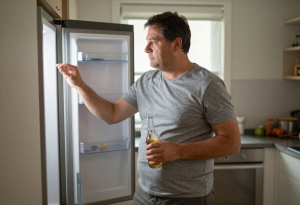
What Is a Beer Gut?
A “beer gut” refers to excess fat that accumulates around the abdomen, especially visceral fat, which surrounds internal organs. Unlike subcutaneous fat (the soft fat under your skin), visceral fat is more metabolically active and linked to health risks such as heart disease, insulin resistance, and inflammation.
Despite the name, a beer gut isn’t caused by beer alone. Genetics, hormones, diet, age, and lifestyle all play a role in why fat tends to build up in this area. Understanding the causes of a beer gut helps you target the real contributors and take effective action.
Visceral Fat — The Real Culprit
Not all belly fat is the same. A beer gut is mostly visceral fat, which sits deep around your internal organs, unlike soft fat under the skin. Visceral fat is metabolically active and linked to increased risk of heart disease, diabetes, and inflammation.
Visceral fat accumulates when excess calories, poor diet, stress, and hormonal changes signal the body to store fat in the abdomen. Even people who drink little beer can develop a beer gut if these other factors are present. Understanding visceral fat is key to addressing the causes of a beer gut effectively.
How to Reduce Visceral Fat
- Focus on a balanced diet rich in protein, fiber, and vegetables
- Engage in regular physical activity, including both cardio and strength training
- Manage stress through mindfulness, meditation, or short daily resets
- Prioritize consistent, quality sleep
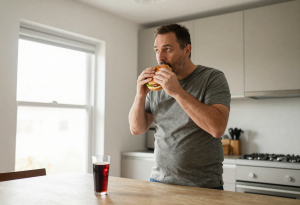
Why Belly Fat Accumulates (Beyond Beer)
A beer gut isn’t caused by beer alone. Belly fat develops due to multiple factors, often working together:
-
Excess Calories & Poor Diet
Eating more calories than your body burns leads to fat storage. Diets high in processed foods, sugar, and refined carbs contribute heavily to belly fat. -
Hormonal Changes
Hormones like cortisol, insulin, and testosterone influence fat distribution. Chronic stress, aging, or imbalances can shift fat storage toward the abdomen. -
Age & Slower Metabolism
As metabolism naturally slows with age, your body stores fat more easily, even if eating habits remain the same. -
Stress & Cortisol
High cortisol levels signal the body to store fat around the midsection, compounding other factors. -
Poor Sleep
Inconsistent or insufficient sleep disrupts hormones regulating appetite and fat storage, increasing visceral fat accumulation. -
Alcohol’s Role
While beer isn’t the only culprit, excessive alcohol adds calories and can exacerbate fat storage, especially in the abdomen.
How to Counteract Belly Fat
- Track calorie intake and focus on whole, nutrient-dense foods
- Manage stress with exercise, meditation, or breathing techniques
- Prioritize 7–9 hours of quality sleep per night
- Include regular physical activity, mixing cardio and resistance training

Does Beer Really Cause a Beer Gut?
Beer gets blamed for belly fat, but the truth is more nuanced. While beer contains calories that can contribute to weight gain, it’s rarely the only factor. A “beer gut” develops when calories exceed what the body burns, combined with poor diet, stress, lack of sleep, and hormonal changes.
Drinking in moderation is unlikely to create a beer gut on its own. What matters most is your overall lifestyle, not a single beverage. Understanding this helps focus on actionable changes rather than blaming beer alone.
How to Enjoy Beer Without Gaining Belly Fat
- Limit intake and track calories from alcohol
- Pair beer with lighter meals, not high-calorie snacks
- Balance alcohol with regular activity and hydration
- Monitor weekly habits rather than single occasions

How to Reduce Belly Fat (Evidence-Based Tips)
Reducing a beer gut is about targeting visceral fat through lifestyle changes rather than focusing on beer alone. Here’s what research suggests:
1. Improve Your Diet
- Prioritize whole, nutrient-dense foods like vegetables, lean proteins, whole grains, and healthy fats
- Reduce refined sugars, processed foods, and high-calorie snacks
- Track calorie intake to ensure you’re in a slight calorie deficit if fat loss is the goal
2. Increase Physical Activity
- Combine cardio (walking, jogging, cycling) with strength training to build muscle and boost metabolism
- Incorporate simple daily movement, like taking stairs, stretching, or short walks
3. Manage Stress
- Chronic stress elevates cortisol, which promotes abdominal fat storage
- Practice meditation, deep breathing, journaling, or short “reset” moments throughout the day
4. Prioritize Sleep
- Aim for 7–9 hours of quality sleep per night
- Consistent sleep schedules help regulate hormones that affect appetite and fat storage
5. Moderate Alcohol Intake
- Limit alcohol to occasional consumption rather than daily consumption
- Balance alcohol calories with overall diet and activity
Even small, consistent changes in these areas can significantly reduce belly fat over time, addressing the root causes rather than just symptoms.

FAQ — Common Questions About Beer Guts
Q1: Can I get a beer gut without drinking beer?
Yes. A beer gut is caused by visceral fat accumulation, which can result from excess calories, poor diet, stress, hormonal changes, and lack of exercise — not beer alone.
Q2: Why do men get beer guts more often than women?
Men are more prone to store fat in the abdomen due to hormonal differences, particularly testosterone, and lower estrogen levels compared to women, which influence fat distribution.
Q3: How long does it take to reduce a beer gut?
Results vary depending on diet, activity, sleep, and stress management. With consistent healthy habits, visible changes often appear within 6–12 weeks.
Q4: Is belly fat dangerous?
Yes. Visceral fat around the organs is linked to heart disease, insulin resistance, and inflammation, making it more concerning than subcutaneous fat under the skin.
Q5: Does cutting beer completely eliminate a beer gut?
Not necessarily. Reducing alcohol can help, but you also need to address overall diet, lifestyle, and stress to effectively reduce belly fat.
A beer gut isn’t caused by beer alone — it’s the result of multiple lifestyle factors, including diet, hormones, stress, sleep, and activity levels. Understanding the causes of a beer gut empowers you to make targeted changes that reduce visceral fat and improve overall health. Small, consistent habits — from balanced meals and regular movement to stress management and quality sleep — compound over time, helping you shrink belly fat and maintain a healthier body.
For more evidence-based guidance, check out trusted medical sources like the Mayo Clinic and Cleveland Clinic.
