

Salty meal bloating can affect your body for up to 72 hours, leaving you puffy, uncomfortable, and retaining extra water. It’s not just about feeling bloated after eating pizza, chips, ramen, sushi, or takeaway—your body’s response to sodium is far more complex than most people realize.
Sodium plays a crucial role in fluid balance, muscle function, blood pressure control, and regulating water inside and outside your cells. When you consume too much salt in one meal, your body shifts its hydration system into defense mode to maintain stability. This triggers a delayed wave of bloating after salty food and water retention that can last far longer than expected, sometimes for days.
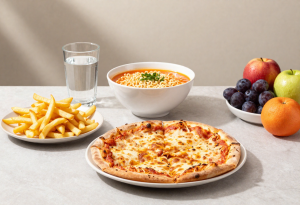
Salty Meal Bloating: How One Meal Disrupts Your Body
A single salty meal can trigger salty meal bloating by causing your body to retain water in an effort to balance sodium levels. When you eat more salt than your system is used to—whether from pizza, chips, ramen, or sushi—your body’s hydration system kicks into overdrive. This results in bloating after salty food, puffiness in the hands, face, and stomach, and temporary water retention that can last up to 72 hours.
Sodium affects fluid balance, blood pressure, and even muscle function, so your body responds carefully to prevent dangerous shifts. During this process, hormones like aldosterone signal your kidneys to hold onto water, creating the delayed wave of swelling many people experience after a high-salt meal. Pairing a salty meal with low-potassium foods can make the bloating worse, while potassium-rich foods like fruits, vegetables, and legumes help your body release retained water more efficiently.
After a high-salt meal, drink plenty of water, choose potassium-rich foods, and avoid adding extra salt to other meals. Even gentle movement, like a short walk, can help your body balance fluid levels.
Aldosterone: The Hormone Behind 72-Hour Bloating
Another reason salt affects your body for days is related to aldosterone, a hormone produced by the adrenal glands. Aldosterone controls salt and water balance. Studies in PubMed show that aldosterone levels can remain elevated for 24–72 hours after a high-sodium meal. During this time, your body holds onto more water to correct the sodium overload, which explains why puffiness can linger for several days.
Hidden High-Salt Foods That Make Bloating Worse
The foods most likely to trigger long-lasting water retention aren’t always the ones that taste salty. Many “healthy” foods contain large amounts of hidden sodium.
Common high-salt foods include:
• Ramen noodles and cup noodles
• Fast foods (burgers, fries, fried chicken)
• Soy sauce and teriyaki sauce
• Store-bought salad dressings
• Sandwich meats and deli meats
• Processed cheese slices
• Canned soups and broths
• Frozen meals
• Packaged snacks (crackers, chips, popcorn)
• Bread and bakery items
• Cottage cheese
• Pickles and jarred olives
• Salted nuts
• Restaurant meals (almost all are heavily salted)
Even foods that don’t taste very salty—like bread, cereals, and sauces—can contain significant sodium levels because salt is used as a preservative, stabilizer, and flavor enhancer.
The Sodium-to-Potassium Ratio and Why It Matters
Your sodium level isn’t the only factor. Potassium is the mineral that counteracts sodium. According to the Harvard School of Public Health, a low potassium intake makes sodium’s effects far more intense. When you don’t get enough potassium:
• Your body holds more water
• Your blood pressure rises
• Bloating becomes more severe
• Your kidneys struggle to excrete sodium
High-potassium foods can help your body naturally remove excess sodium, reduce water retention, and restore balance.
Why Eating Salt Before Bed Makes Puffiness Worse
If you eat a salty meal late in the evening, the effect is amplified. During sleep, your body naturally retains more water because you’re not moving, sweating, or drinking. Circulation slows, your lymphatic system goes quiet, and your kidneys filter at a slower pace. This is why salty dinners almost guarantee a puffy face the next morning. The thin under-eye skin makes fluid accumulation especially noticeable.

How to Flush Out Salt Faster
Even though your body eventually rebalances sodium levels on its own, it isn’t immediate. Most people don’t realize that excess sodium can take 24 to 72 hours to fully clear out, depending on hydration, hormones, kidney function, how much salt was consumed, and even whether you ate the salty meal late at night. After a high-sodium meal, your body goes through multiple phases: first, you get thirsty as your body tries to dilute the sodium; next, your kidneys hold onto water, which increases bloating; then slowly, over hours or days, your body begins pushing out the excess fluid through urine and sweat. The more you support this natural process, the faster the bloating and puffiness disappear.
If you do nothing at all, the average timeframe for your body to flush the salt is 48 hours. But if you actively help your body — by hydrating consistently, moving, and increasing potassium — you can shorten the bloating window to 24–36 hours. On the flip side, if you eat salty foods repeatedly across a couple of days, or if you’re dehydrated, bloated from hormones, stressed, or sleep-deprived, the process can easily stretch closer to the full 72 hours.
Below are the most effective ways to speed things up and help your body restore balance faster.
Increase potassium-rich foods:
• Bananas
• Avocados
• Spinach
• Tomatoes
• Coconut water
• Sweet potatoes
• Oranges
• Beans
Stay consistently hydrated:
Not just one big drink of water — sip throughout the day so your kidneys can gradually eliminate sodium.
Gentle movement:
Walking improves circulation, activates the lymphatic system, and supports kidney function. Even 10–20 minutes can make a difference.
Limit processed foods for a few days:
This gives your body breathing room to excrete sodium without being overloaded again.
Try natural debloating foods:
• Ginger
• Lemon
• Cucumber
• Celery
• Parsley
• Dandelion tea (a natural diuretic)
These foods support hydration and reduce inflammation, helping the body shift fluid back to normal.
Sleep, Stress, and Hormones Also Affect Bloating
Salt isn’t the only factor. Stress increases cortisol, which triggers the body to retain fluid. Poor sleep affects aldosterone levels, leading to increased water retention the following day. Women may also experience stronger salt sensitivity depending on their menstrual cycle phase. All of these elements can extend the duration of puffiness.
Salty Meal Bloating Isn’t Fat Gain
Many people panic when they feel puffiness or salty meal bloating for days after eating high-sodium foods. But it’s important to remember:
- It’s not fat gain
- It’s not digestive failure
- It’s not permanent
Salty meal Bloating – what you’re experiencing is simply your body working to rebalance fluid and electrolyte levels. With proper hydration, gentle movement, potassium-rich foods, and a little time, the swelling and bloating will naturally subside.
For more guidance on managing sodium intake and understanding water retention, see the American Heart Association – How to Reduce Sodium
