

Low testosterone is more common than many men realize, and its effects can be subtle at first. Fatigue, low motivation, mood changes, and decreased libido are often dismissed as part of aging or a busy lifestyle. However, understanding the hidden signs of low testosterone can help you recognize changes early and take steps to protect your health. By knowing what to look for and when to seek help, men can improve energy, mental clarity, and overall well-being — whether through lifestyle changes, medical evaluation, or targeted treatments.

What Testosterone Does in the Body
Testosterone is the primary male sex hormone, but its influence goes far beyond libido. It plays a critical role in:
- Muscle mass and strength – Supporting physical performance and maintaining bone density.
- Mood and mental clarity – Affecting energy levels, motivation, and cognitive function.
- Fat distribution – Regulating body composition and metabolism.
- Sexual function – Driving libido, erectile function, and reproductive health.
- Overall well-being – Influencing confidence, stamina, and resilience.
Low testosterone can subtly impact these areas, often making men feel “off” without a clear cause. Recognizing early shifts in energy, mood, or physical performance is key to identifying the hidden signs before more serious effects appear.

Common Symptoms of Low Testosterone
Low testosterone often develops gradually, making the signs easy to overlook. Awareness of these hidden signs of low testosterone can help you identify changes early. Common symptoms include:
- Fatigue and low energy: Feeling unusually tired despite adequate sleep.
- Mood changes: Increased irritability, anxiety, or low motivation.
- Decreased libido: Reduced interest in sex or difficulty maintaining sexual performance.
- Loss of muscle mass and strength: Harder to build or maintain muscle, even with regular exercise.
- Increased body fat: Noticeable changes in fat distribution, particularly around the abdomen.
- Cognitive changes: Difficulty focusing, memory lapses, or “brain fog.”
Even subtle changes in one or two of these areas may signal low testosterone. Early recognition allows men to explore lifestyle changes or seek medical evaluation before more serious complications arise.

Hidden Signs Most Men Miss
While fatigue and low libido are more obvious, some effects of low testosterone are subtle and often overlooked. Recognizing these hidden signs can help men take action before symptoms worsen:
- Mood swings and irritability: Small frustrations feel magnified, or motivation dips unexpectedly.
- Sleep disturbances: Trouble falling asleep, staying asleep, or feeling unrefreshed in the morning.
- Reduced workout performance: Even with regular exercise, strength gains or endurance may stall.
- Loss of body hair: Thinner facial or body hair that gradually becomes noticeable.
- Cognitive “fog”: Difficulty concentrating, forgetfulness, or slower problem-solving.
- Low stress tolerance: Feeling overwhelmed by tasks that previously felt manageable.
These hidden signs may appear gradually, often leading men to attribute them to aging, stress, or lifestyle rather than low testosterone. Awareness is the first step toward evaluating your hormone health and exploring strategies that can help.
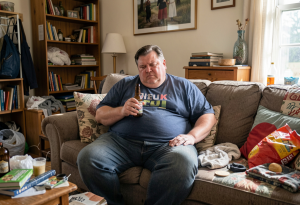
Causes of Low Testosterone
Low testosterone can develop for several reasons, and it’s not always simply a result of aging. While levels naturally decline gradually after age 30, certain lifestyle and health factors can accelerate that drop. Understanding the causes helps identify what may be contributing to the hidden signs of low testosterone.
Common causes include:
- Aging: Testosterone levels typically decrease about 1% per year after age 30–40.
- Chronic stress: Elevated cortisol levels from ongoing stress can suppress testosterone production.
- Poor sleep: Testosterone is primarily produced during deep sleep, so sleep deprivation can significantly lower levels.
- Obesity and metabolic issues: Excess body fat, particularly around the abdomen, is linked to reduced testosterone.
- Certain medications: Opioids, steroids, and some antidepressants may interfere with hormone production.
- Medical conditions: Diabetes, thyroid disorders, pituitary problems, or testicular injury can affect testosterone levels.
- Excess alcohol consumption: Heavy drinking may impair hormone regulation.
Because multiple factors can interact, low testosterone is often the result of lifestyle patterns combined with biological changes. Identifying modifiable contributors — such as stress, sleep, and weight management — is an important first step before considering medical treatment.

How Low Testosterone Is Diagnosed
If you suspect you may be experiencing the hidden signs of low testosterone, the next step is a proper medical evaluation. Symptoms alone aren’t enough for diagnosis — low testosterone must be confirmed through blood testing.
Blood Testing
Doctors typically order a morning blood test, as testosterone levels are highest early in the day. If results show low levels, the test is often repeated to confirm accuracy.
Total testosterone is usually measured first, and in some cases, free testosterone may also be assessed to provide a clearer picture.
Evaluating Symptoms
Diagnosis isn’t based on numbers alone. A healthcare provider will also consider:
- Fatigue and energy levels
- Sexual health changes
- Mood and cognitive symptoms
- Muscle mass and body composition changes
- Medical history and medications
Both low levels + symptoms are generally required before treatment is considered.
Identifying the Underlying Cause
If testosterone is low, additional tests may be done to determine whether the issue originates from:
- The testicles (primary hypogonadism)
- The pituitary gland or brain (secondary hypogonadism)
- Lifestyle or metabolic factors
Identifying the root cause ensures the right treatment approach — whether that’s lifestyle modification, addressing an underlying condition, or medical therapy.

Lifestyle Changes That May Help Boost Testosterone Naturally
Before considering medical treatment, many men can improve symptoms by addressing lifestyle factors that contribute to the hidden signs of low testosterone. While results vary, these strategies support overall hormone health and long-term well-being.
1. Improve Sleep Quality
Testosterone is primarily produced during deep sleep. Chronic sleep deprivation can significantly lower levels.
Aim for:
- 7–9 hours per night
- Consistent sleep and wake times
- Reduced screen time before bed
- A cool, dark sleeping environment
Even small improvements in sleep consistency can positively impact energy and hormone balance.
2. Strength Training & Resistance Exercise
Resistance training is one of the most effective natural ways to support testosterone production.
Focus on:
- Compound lifts (squats, deadlifts, presses)
- Progressive overload
- 3–4 strength sessions per week
Overtraining, however, can elevate cortisol — balance is key.
3. Reduce Excess Body Fat
Higher body fat percentages are associated with lower testosterone levels. Fat tissue can convert testosterone into estrogen, further reducing available hormone levels.
Prioritise:
- Whole, minimally processed foods
- Adequate protein intake
- Consistent physical activity
- Sustainable calorie balance
Even modest weight loss can improve hormone markers.
4. Manage Stress Levels
Chronic stress increases cortisol, which directly suppresses testosterone production.
Helpful strategies include:
- Daily walks
- Mindfulness or breathing exercises
- Limiting excessive workload
- Reducing alcohol intake
Lowering stress not only improves hormone health but also supports mood and mental clarity.
5. Limit Alcohol Intake
Excess alcohol consumption can impair hormone production and contribute to weight gain and poor sleep. Moderation supports healthier testosterone levels and overall metabolic health.
While lifestyle changes may not fully correct clinically low testosterone, they often reduce symptoms and improve overall vitality. For many men, optimizing sleep, exercise, weight, and stress management significantly improves energy, mood, and performance.

Medical Treatments for Low Testosterone: What to Know
If lifestyle changes aren’t enough and blood tests confirm low levels, medical treatment may be considered. Testosterone replacement therapy (TRT) can help relieve symptoms, but it’s not appropriate for everyone and requires careful medical supervision.
What Is Testosterone Replacement Therapy (TRT)?
TRT involves restoring testosterone levels to a normal range using prescribed hormone therapy. It may be administered as:
- Injections
- Topical gels or creams
- Skin patches
- Implantable pellets
The method depends on individual preference, medical history, and doctor recommendations.
Potential Benefits
When prescribed appropriately, TRT may help:
- Improve energy levels
- Increase libido and sexual function
- Support muscle mass and strength
- Improve mood and mental clarity
- Reduce body fat in some cases
Many men report noticeable improvements within several weeks, though results vary.
Risks and Considerations
TRT is not a quick fix and carries potential risks, including:
- Acne or oily skin
- Increased red blood cell count
- Sleep apnea worsening
- Fertility suppression
- Possible cardiovascular concerns in certain individuals
Because of these risks, regular monitoring through blood tests is essential. Treatment should always be guided by a qualified healthcare provider.
Who Should Avoid TRT?
TRT may not be recommended for men with:
- Prostate or breast cancer
- Untreated severe sleep apnea
- Certain heart conditions
- Men who are actively trying to conceive
A full medical evaluation helps determine whether treatment is safe and appropriate.
Medical therapy can be life-changing for some men, but it works best when combined with healthy lifestyle habits. Addressing sleep, stress, exercise, and weight management remains foundational — even when medication is used.

Frequently Asked Questions About Low Testosterone
What are the first signs of low testosterone in men?
Early signs of low testosterone often include persistent fatigue, reduced sex drive, difficulty building muscle, increased body fat (especially around the abdomen), mood changes, and brain fog. Many men mistake these symptoms for normal aging, stress, or poor sleep.
At what age does testosterone start to decline?
Testosterone levels typically begin to decline gradually after age 30. Most men experience a slow reduction of about 1% per year. However, symptoms vary widely depending on lifestyle, stress levels, sleep quality, and overall health.
Can low testosterone be reversed naturally?
In some cases, yes. Testosterone levels may improve through:
- Strength training and resistance exercise
- Better sleep (7–9 hours nightly)
- Weight loss if overweight
- Stress reduction
- Adequate protein and healthy fats
- Limiting alcohol intake
However, if testosterone is clinically low due to medical causes, lifestyle changes alone may not fully restore levels.
How do doctors test for low testosterone?
Doctors diagnose low testosterone with a blood test, usually taken in the morning when levels are highest. If results are borderline, repeat testing may be recommended before considering treatment.
Is testosterone replacement therapy safe?
Testosterone replacement therapy (TRT) can be safe and effective when prescribed and monitored by a qualified healthcare provider. However, it carries potential risks and requires ongoing blood tests to monitor hormone levels, red blood cell counts, and prostate health.
TRT is not appropriate for everyone, particularly men with certain heart conditions, prostate cancer, or those trying to conceive.
Does low testosterone affect relationships?
Yes. Low testosterone can reduce libido, confidence, mood stability, and overall energy — all of which may impact intimacy and relationship satisfaction. Addressing hormone health can sometimes improve both emotional and physical connection.
When should a man see a doctor about low testosterone?
A man should speak to a doctor if symptoms such as low libido, ongoing fatigue, depression, muscle loss, or erectile difficulties persist for several months — especially if they interfere with daily life or relationships.
This article is based on evidence and guidance from the Mayo Clinic and the Endocrine Society, which provide reliable information on male hypogonadism, testosterone testing, symptoms, and treatment options.
