

Liver cleanse vs detox diet — what’s the real difference, and do you actually need either one? With so many wellness trends promising quick results, it can be hard to know what truly supports your liver and what’s just marketing.
When people talk about “detoxing,” they often mix up two very different concepts: cleansing the liver and doing a general detox diet. Even though these terms are used interchangeably online, they target completely different processes in the body. Understanding the difference matters because the wrong approach can leave you feeling worse, frustrated, or confused about why your health isn’t improving. The liver is your body’s main detox organ, constantly filtering toxins, breaking down chemicals, and processing everything from medication to alcohol. Meanwhile, detox diets focus more on giving your whole body a reset, improving digestion, lowering inflammation, and helping your natural detox pathways function more efficiently. In reality, your body already detoxes itself 24/7, but your lifestyle can either support that process or make it harder. That’s why knowing the true differences between a liver cleanse and a detox diet can help you choose the right approach for your energy levels, digestion, skin health, and overall well-being.

What Exactly Is a Detox Diet?
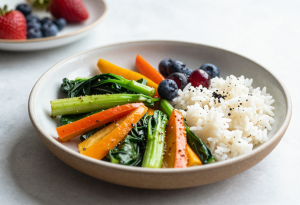
A detox diet is a short-term eating pattern designed to reduce the load on your digestive system, remove inflammatory foods, and emphasize whole foods that support your body’s natural detox processes. It does not force toxins out of your body artificially. Instead, it gives your organs — the liver, kidneys, gut, and lymphatic system — the conditions they need to work more efficiently. Detox diets often focus on nutrient-rich foods like leafy greens, berries, herbs, vegetables, whole grains, clean proteins, and plenty of water. Many also cut out highly processed foods, excess sugar, alcohol, and caffeine during the detox period. Some detox diets include juices or smoothies, although this isn’t required for the diet to be effective. The main idea is to remove the foods that place stress on the body while boosting the nutrients needed for natural detoxification. This can help reduce bloating, improve digestion, stabilize energy levels, and clear up skin issues caused by inflammation or a sluggish gut. Detox diets can last anywhere from three days to a few weeks, depending on the goal, but their purpose is not to replace normal eating — they are meant to be a reset.
What Is a Liver Cleanse and Why Do People Do It?
A liver cleanse focuses specifically on supporting the liver, the organ responsible for metabolizing toxins, filtering blood, breaking down hormones, and handling chemicals from food and the environment. A liver cleanse doesn’t detox your entire body — it enhances just one organ’s function. The liver naturally detoxes through two phases. Phase 1 breaks toxins down into smaller compounds, and phase 2 neutralizes them and prepares them to be eliminated. A healthy liver performs these steps effortlessly, but poor diet, alcohol intake, certain medications, and chronic stress can slow the process. People perform liver cleanses because they experience symptoms like fatigue, brain fog, stubborn weight gain, bloating, hormonal imbalances, and skin problems like acne or redness. Many liver cleanses involve nutrient-dense foods that support liver enzymes, such as leafy greens, turmeric, garlic, beets, citrus fruits, and bitter vegetables. Some cleanses include supplements like milk thistle or dandelion root, which are believed to support liver cells and bile flow. While supplements can be helpful for some people, liver cleansing works best through food-based support and lifestyle changes, not harsh or extreme methods. The aim is to reduce inflammation, improve detoxification efficiency, and help the liver function at its best.
How These Two Approaches Are Different
The biggest difference between a detox diet and a liver cleanse is their focus. A detox diet looks at the entire body and aims to reduce overall toxic burden through food choices and hydration. A liver cleanse targets a single organ and supports it with specific nutrients and habits. Detox diets are broader, often removing inflammatory foods like gluten, dairy, alcohol, and sugar, while emphasizing hydration and fiber for gut health. They improve digestion, reduce bloating, and give the whole system a reset. A liver cleanse, on the other hand, focuses on foods and herbs that help liver enzymes work better, increase bile production, and reduce liver stress. While detox diets often reduce caffeine and alcohol temporarily, liver cleanses usually eliminate them during the process because both substances place extra work on the liver. Detox diets can be done by almost anyone looking for more energy or better digestion, while liver cleanses are more targeted and are often chosen when someone suspects their liver needs extra support.
Signs You May Benefit From a Detox Diet
A detox diet may be right for you if you’re experiencing symptoms that suggest your overall system needs a reset. These include feeling bloated after meals, struggling with low energy throughout the day, experiencing irregular digestion, or noticing breakouts linked to inflammation or food sensitivities. If your diet has been high in processed foods lately, or you’ve been relying on quick meals without many vegetables, a detox diet can help restore your nutrient balance. Some people choose a detox diet after holidays, travel periods, or stressful weeks where their routine has become inconsistent. Others use detox diets to help identify food sensitivities since removing common irritants can make reactions more obvious once foods are reintroduced. A detox diet helps if you simply want to feel lighter, clearer, and more energized without doing anything extreme. Because this approach is gentle, it’s typically easier to maintain and doesn’t require special supplements — just clean eating and hydration.

Signs You May Need a Liver Cleanse Instead
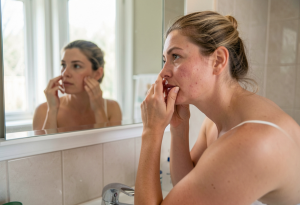
A liver cleanse is appropriate when the symptoms point more specifically to liver strain rather than general digestive or inflammatory issues. Signs can include persistent fatigue even after sleeping well, feeling nauseous or heavy after eating fatty foods, noticing a yellowish tint in the skin or eyes, or experiencing recurring headaches that seem related to diet or chemical exposure. Hormonal issues such as PMS, mood swings, or stubborn weight around the stomach can also indicate the liver needs support because the liver plays a key role in breaking down hormones. Skin issues like redness, irritation, or acne that don’t respond to gut-focused changes may also be signs of a sluggish liver. People who consume alcohol regularly, take medications long-term, or are exposed to environmental chemicals at work may also benefit from a dedicated liver cleanse. This type of cleanse is more targeted and focuses strictly on foods and herbs known to support liver enzymes and bile flow.
Can You Combine a Detox Diet With a Liver Cleanse?
Absolutely — and many people do. In fact, combining both approaches can be highly effective because the detox diet reduces the overall stress on your body while the liver cleanse gives your main detox organ extra support. When the body has fewer inflammatory foods to process, the liver can operate more efficiently. For example, someone might begin with a detox diet for a week to reset their digestion and lower inflammation, then shift to a liver cleanse for another week to focus on liver support. This combination can help improve energy, mental clarity, digestion, and even skin tone. However, it’s important to avoid extreme detoxes that involve fasting for long periods or taking harsh supplements. These can stress the liver rather than support it. The safest and most effective approach is food-based cleansing combined with hydration, gentle movement, and enough rest.
Liver Cleanse vs Detox – Which One Should You Choose?
The best option depends on your symptoms and your goals. If you want overall better health, clearer skin, improved digestion, or more consistent energy, a detox diet will probably give you what you’re looking for. It’s simple, gentle, and focuses on eliminating foods that cause inflammation. But if you’re dealing with symptoms that specifically point to liver stress — like trouble digesting fatty foods, hormonal imbalances, or chronic fatigue — a liver cleanse is more appropriate. You can also use both approaches at different times of the year. Some people do a detox diet seasonally and focus on liver support once or twice per year, especially after periods of higher alcohol consumption or stress. The key is choosing the method that supports your body without overwhelming it.
A Final Look at the Bigger Picture
Understanding the difference between a general detox diet and a targeted liver cleanse helps you make smarter choices for your health. The body detoxes itself naturally, but your habits can either support or hinder that process. Detox diets create a healthier environment for all your organs to function well, while liver cleanses give your main detox organ a focused boost. Neither method should be extreme or uncomfortable. The goal is to help your body work more efficiently so you feel clearer, lighter, and more energized. No matter which approach you choose, supporting your health with whole foods, hydration, sleep, and reduced stress will always create the biggest lasting changes.
Short‑term liver cleanses and detox diets promise to help your body “flush out toxins” or reset after unhealthy eating, but there’s no quality scientific evidence showing that they improve liver function beyond what the organ already does naturally. Medical research indicates that the liver continuously processes and neutralises harmful substances on its own, without needing special detox products, and most marketed liver cleanses have not been shown to enhance this process in otherwise healthy people (Medical News Today). Mainstream clinicians also emphasise that while ingredients like milk thistle may have some potential health benefits, they don’t “detox” your liver in the way cleanse marketing suggests. Instead, evidence‑based methods for supporting liver health focus on balanced nutrition, limiting alcohol, maintaining a healthy weight, and staying hydrated (WebMD).
