
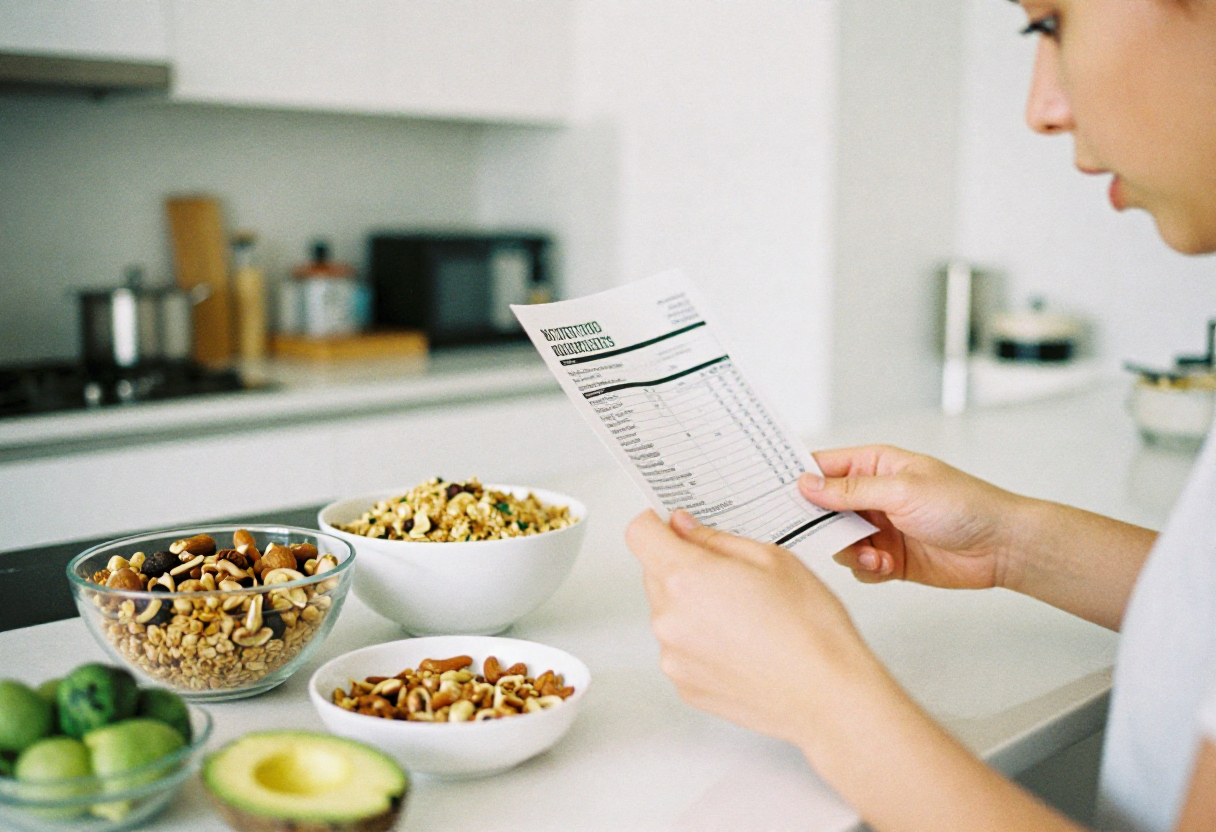
Many foods we consider “healthy” can actually be surprisingly high in calories. Nuts, smoothies, avocados, and even salads can add up quickly if portions aren’t controlled or hidden ingredients sneak in. While these foods provide essential nutrients, healthy fats, and fiber, eating too much can unintentionally impact your weight and energy levels.
The good news? With simple swaps, mindful portioning, and awareness of calorie-dense ingredients, you can continue enjoying these nutritious foods without overdoing it. In this article, we’ll break down the most common healthy foods high in calories, explain why they can pack on extra calories, and share easy fixes to keep your meals balanced and satisfying.
Nuts and Nut Butters
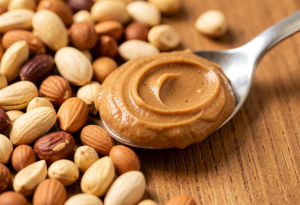
Nuts and nut butters are often labeled as “superfoods” — and for good reason. They provide healthy fats, protein, fiber, and micronutrients that support heart and brain health. However, they are also calorie-dense, meaning it’s easy to overeat without realizing how many calories you’re consuming. Just a few handfuls of almonds or a generous scoop of peanut butter can quickly add hundreds of calories to your daily intake.
Easy fixes and portion tips can help you enjoy these nutritious foods without overdoing it.
Nuts and Nut Butters – Calories Made Simple
| Food | Calories per Serving | Calories Issue | Easy Fix | Portion Tip |
|---|---|---|---|---|
| Almonds, cashews (¼ cup) | 160–200 | High-fat, calorie-dense | Stick to ¼ cup servings | Pre-portion in small containers |
| Peanut butter (1 tbsp) | 90–100 | Easy to overeat | Use measured 1 tbsp | Spread on toast or fruit |
| Mixed nut bars (1 small bar) | 200–250 | Often packed with sugar | Choose low-sugar or homemade | 1 small bar per snack |
Smoothies and Juices
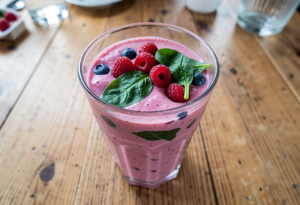
Smoothies and juices are often seen as a quick, healthy snack or breakfast. They can provide vitamins, minerals, and antioxidants, but many recipes also pack a lot of hidden calories from fruit, yogurt, juice, or added nut butters. Drinking large portions or blending high-calorie ingredients can add hundreds of calories without filling you up.
The key is to control portions, balance ingredients, and avoid unnecessary additions while still enjoying a delicious and nutritious beverage.
Smoothies & Juices – Calories Made Simple
| Food | Calories per Serving | Calories Issue | Easy Fix | Portion Tip |
|---|---|---|---|---|
| Fruit smoothie (1 cup) | 180–250 | High sugar & calorie-dense | Reduce fruit, add water or greens | Stick to 1 cup serving |
| Green juice (1 small glass, 250 ml) | 120–200 | Can be high in sugar | Mix with water or cucumber | Limit to 1 small glass |
| Yogurt smoothie (1 cup) | 200–300 | Added sugar from yogurt | Use plain Greek yogurt | Measure 1 cup, add fruit sparingly |
Avocado
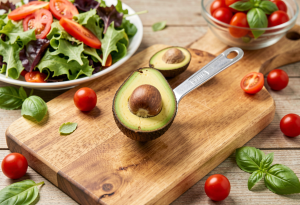
Avocados are a nutritional powerhouse, packed with healthy monounsaturated fats, fiber, vitamins, and minerals. They support heart health, brain function, and satiety. However, because they are high in fat, they are also calorie-dense, and it’s easy to consume more calories than intended if you eat the whole fruit in one sitting.
The key is portion control — enjoying avocado for its benefits without unintentionally adding excess calories. Grilling or lightly air-frying slices can also reduce extra fats from added oils in recipes.
Avocado – Calories Made Simple
| Food | Calories per Serving | Calories Issue | Easy Fix | Portion Tip |
|---|---|---|---|---|
| Avocado (½ medium) | 120–140 | High-fat, calorie-dense | Use ½ per meal | Add to salads, toast, or wraps |
| Guacamole (2 tbsp) | 50–60 | Can add up quickly | Measure serving | Enjoy with raw veggies instead of chips |
| Avocado smoothie (1 cup) | 200–250 | High calories from blending | Reduce portion | ½ cup per serving, mix with greens or water |
Granola and Cereal
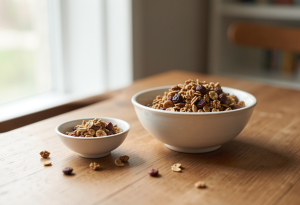
Granola is a breakfast food made from rolled oats, nuts, seeds, and sometimes sweeteners like honey or sugar, baked until crunchy. While it’s often marketed as healthy, many store-bought granolas are high in sugar and calories, especially when eaten in large portions or combined with yogurt, dried fruit, or milk. Even cereals labeled as “whole grain” can quickly become calorie-dense if servings aren’t measured carefully.
The solution is portion control, homemade alternatives, and mindful toppings — you can still enjoy granola or cereal without overdoing calories.
Granola & Cereal – Calories Made Simple
| Food | Calories per Serving | Calories Issue | Easy Fix | Portion Tip |
|---|---|---|---|---|
| Granola (¼ cup / 30g) | 120–150 | Often high in sugar and fat | Use a measured ¼ cup | Sprinkle on yogurt or a smoothie bowl |
| Breakfast cereal (½ cup / 30g) | 100–130 | Added sugar in some cereals | Choose low-sugar options | Stick to a ½ cup serving |
| Muesli with dried fruit (½ cup / 45g) | 150–180 | Calories can add up | Use minimal dried fruit | Add fresh fruit instead |
Salads That Become Calorie Bombs
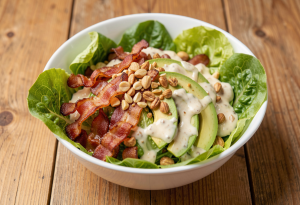
Salads are usually considered a healthy choice, but they can quickly become high in calories depending on the toppings and dressings used. Ingredients like cheese, croutons, nuts, seeds, and creamy dressings can add hundreds of calories without making you feel fuller. Even a large salad can be a hidden calorie trap if portion sizes aren’t monitored.
The key is smart ingredient choices, lighter dressings, and mindful portion control, so you can enjoy salads without unintentionally overdoing calories.
Salads – Calories Made Simple
| Food | Calories per Serving | Calories Issue | Easy Fix | Portion Tip |
|---|---|---|---|---|
| Salad with dressing (2 tbsp) | 100–150 | Dressings add fat and sugar | Use 1 tbsp vinaigrette or dress lightly | Pour on one side, use sparingly |
| Cheese (1 oz / 28g) | 110 | High fat | Reduce to ½ oz | Sprinkle lightly |
| Croutons (¼ cup / 15g) | 60–70 | Adds carbs & calories | Limit or omit | Use a small handful |
Hummus and Dips
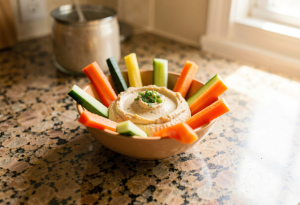
Hummus and other dips like guacamole or bean spreads are often seen as healthy snacks. They provide fiber, protein, and healthy fats, but they are calorie-dense, and it’s easy to consume more than intended when pairing them with chips, crackers, or bread.
The key is portion control and mindful pairing — enjoy these dips with vegetables or measured servings to keep calories in check.
Hummus & Dips – Calories Made Simple
| Food | Calories per Serving | Calories Issue | Easy Fix | Portion Tip |
|---|---|---|---|---|
| Hummus (2 tbsp / 30g) | 70–80 | Calorie-dense | Stick to 2 tbsp | Use with raw veggies |
| Guacamole (2 tbsp / 30g) | 50–60 | Can add up quickly | Measure serving | Enjoy with sliced vegetables |
| Bean dip (2 tbsp / 30g) | 50–70 | Easy to overeat | Portion carefully | Serve in small bowls |
Healthy Snacks
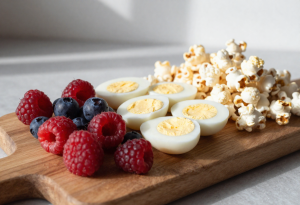
Many healthy snacks like Greek yogurt, air-popped popcorn, protein bars, or fruit are nutritious, but they can also be surprisingly high in calories if portion sizes aren’t measured. Even snacks marketed as “low-fat” or “high-protein” can contribute to excess calories when eaten in large amounts or with add-ons like nuts, chocolate, or granola.
The key is portion control and smart choices — enjoy your favorite healthy snacks without overdoing it.
Healthy Snacks – Calories Made Simple
| Food | Calories per Serving | Calories Issue | Easy Fix | Portion Tip |
|---|---|---|---|---|
| Greek yogurt (½ cup / 125g) | 60–80 | Sweetened versions add sugar & calories | Choose plain or low-sugar | Add fresh fruit for flavor |
| Popcorn (3 cups air-popped) | 90–100 | Oil or butter adds calories | Air-popped, minimal oil | Measure the portion carefully |
| Protein bar (1 small bar) | 200–250 | Can be high in sugar | Choose low-sugar options | 1 bar per snack |
| Fresh fruit (1 medium piece) | 60–80 | Minimal, but over-snacking adds calories | Eat 1 serving at a time | Pair with protein for satiety |
How to Enjoy Healthy Foods High in Calories
Even foods considered healthy can be high in calories, and knowing which ones can sneak extra energy into your diet is key to staying balanced. From nuts and nut butters to smoothies, granola, and salads, these healthy foods high in calories can contribute to weight gain if portions aren’t monitored.
The good news? With mindful adjustments, portion control, and simple swaps, you can enjoy your favorite nutrient-rich foods without overdoing it. Measure servings, reduce calorie-dense toppings, and choose lighter alternatives when possible — small changes lead to big results.
According to the Harvard T.H. Chan School of Public Health, being aware of calorie-dense healthy foods helps you make smarter choices while still enjoying a variety of nutritious options.
Remember: healthy foods high in calories aren’t bad — it’s how you eat them that matters. By following these tips, you can enjoy nutrition-packed meals and snacks without compromising your daily calorie goals.
FAQ: Healthy Foods High in Calories
Frequently Asked Questions
Q1: Which healthy foods are highest in calories?
A: Some of the most calorie-dense healthy foods include nuts and nut butters, avocados, granola, smoothies, hummus, and certain cheeses. While packed with nutrients, these foods can quickly add calories if portions aren’t controlled. Using measured servings and mindful pairing helps you enjoy these foods without overdoing it.
Q2: Can eating healthy foods high in calories cause weight gain?
A: Yes — even nutritious foods can contribute to weight gain if eaten in excess. Portion control is key. Measuring servings and balancing calorie-dense foods with lower-calorie ingredients helps prevent unintentional weight gain while still enjoying nutrient-rich meals.
Q3: How can I enjoy calorie-dense healthy foods without overeating?
A: Simple strategies include:
- Pre-portioning nuts, nut butters, or granola
- Pairing smoothies with vegetables or water to reduce sugar
- Using lighter toppings on salads
- Choosing smaller servings of avocado, hummus, or cheese
These small adjustments make healthy foods high in calories manageable and satisfying.
Q4: Are there alternatives to high-calorie healthy foods?
A: Yes — many swaps can reduce calories while maintaining nutrition:
- Use air-popped popcorn instead of granola bars for a crunchy snack
- Mix greens into smoothies to bulk them up without extra sugar
- Swap 2 tbsp of hummus with raw vegetables instead of chips
These swaps allow you to enjoy nutrient-rich foods while keeping calories in check.
Q5: Why is it important to know about hidden calories in healthy foods?
A: Understanding that some healthy foods are calorie-dense helps you make smarter choices, prevent unintentional weight gain, and balance meals for energy and satiety. Being aware of hidden calories lets you enjoy a variety of nutritious foods responsibly.
