One of the biggest issues is blue light from phone screens, which can reduce the production of melatonin, the hormone responsible for regulating sleep. When melatonin levels are disrupted, it can become harder to fall asleep and stay asleep, leading to poor sleep quality over time.
Sleep disruption doesn’t just affect how rested you feel the next day. Poor sleep can influence mood, stress levels, and even hormone balance, which may affect appetite, energy levels, and overall well-being. Understanding how phone use affects sleep and health can help you make small changes that support better rest and long-term health.
How Your Phone Affects Sleep
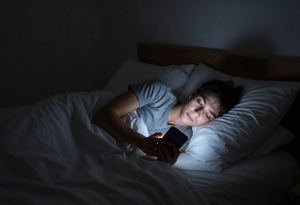
Using your phone before bed can have a bigger effect on sleep than many realize. Blue light emitted by screens tricks your brain into thinking it’s still daytime, which reduces melatonin production, the hormone that signals to your body it’s time to sleep. This can delay sleep onset, shorten total sleep time, and disrupt deep restorative sleep.
Late-night scrolling or binge-watching videos keeps your mind active when it should be winding down, making it harder to relax. Over time, these habits can cause fatigue, poor concentration, and mood swings, as well as affect hormones related to appetite and stress.
To improve sleep, experts suggest limiting phone use at least 30–60 minutes before bedtime, enabling night mode or blue light filters, and creating a tech-free wind-down routine to help your body prepare for restful sleep.

How Your Phone Affects Mood and Mental Health
Smartphone use doesn’t just interfere with sleep — it can also impact your mood and mental health. Constant notifications, social media scrolling, and comparison to others online can increase stress, anxiety, and feelings of inadequacy. Research shows that excessive phone use is linked to higher levels of cortisol, the stress hormone, and can even contribute to low mood or irritability over time.
Social media can trigger a dopamine-driven feedback loop, where the brain seeks likes, comments, and new content. This can make it difficult to relax and focus, and may even reduce satisfaction with real-life experiences. Limiting notifications, taking regular screen breaks, and setting boundaries on social media use can help protect your mental well-being while still allowing you to enjoy your devices.
How Your Phone Can Affect Hormones
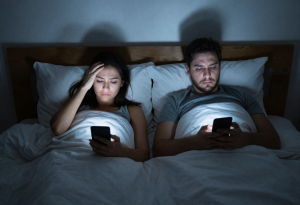
Using your phone excessively, especially at night, can disrupt your hormonal balance. The most affected hormones include melatonin, which regulates sleep, and cortisol, the stress hormone. Poor sleep caused by phone use also impacts appetite-related hormones like leptin and ghrelin, which can increase cravings and affect weight management.
Hormone Effects Table
| Phone Habit |
Hormone Effect |
Impact on Health |
| Late-night scrolling |
Reduced melatonin |
Harder to fall asleep and poor sleep quality |
| Constant notifications |
Increased cortisol |
Higher stress and anxiety |
| Screen use before bed |
Leptin decreases, ghrelin increases |
Increased appetite and cravings |
Being aware of these effects can help you create healthier phone habits and protect your hormonal balance. Small changes, like turning off notifications and limiting screen time before bed, can have a meaningful impact on your overall health.
Other Ways Smartphones Affect Your Health
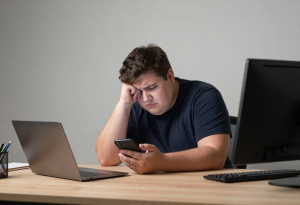
Beyond sleep, mood, and hormones, smartphone use can influence several other aspects of health.
- Eye Strain: Long hours looking at screens can cause eye fatigue, dryness, and blurred vision.
- Poor Posture: Holding your phone for extended periods can lead to neck, shoulder, and back pain, often called “tech neck.”
- Reduced Focus and Productivity: Constant notifications and multitasking on phones can decrease attention span and impair cognitive performance.
Being mindful of screen time, posture, and breaks can reduce these risks. Simple changes like adjusting your workstation, taking frequent eye breaks, and setting phone-free periods can significantly improve your overall well-being.

Simple Ways to Reduce the Health Effects of Phone Use
You don’t need to give up your phone entirely to protect your health. Small adjustments can make a big difference:
- Limit Phone Use Before Bed: Stop using your phone 30–60 minutes before sleep to protect melatonin production.
- Enable Night Mode or Blue Light Filters: Reduce the amount of blue light emitted by your screen in the evening.
- Turn Off Non-Essential Notifications: Minimize stress and constant distractions.
- Take Regular Breaks: Step away from your phone every hour to reduce eye strain and improve posture.
- Create a Tech-Free Wind-Down Routine: Reading, stretching, or meditating before bed can help your brain relax.
Implementing these habits can improve sleep quality, mood, hormone balance, and overall wellbeing, without sacrificing your connection to technology.

FAQ About Phone Use and Health
Q1: Does using your phone before bed affect sleep?
Yes — late-night phone use exposes your eyes to blue light, which reduces melatonin production and can make it harder to fall asleep and stay asleep.
Q2: Can phones affect hormones?
Indirectly, yes. Poor sleep caused by phone use can disrupt cortisol, leptin, and ghrelin levels, affecting stress, appetite, and overall hormonal balance.
Q3: How much screen time is too much?
While individual tolerance varies, consistently exceeding 2–3 hours of recreational screen time per day, especially in the evening, can increase the risk of sleep disruption, eye strain, and stress.
Q4: What are simple ways to reduce phone health risks?
Limit phone use before bed, enable night mode, turn off non-essential notifications, take regular breaks, and create a tech-free wind-down routine.
Smartphone use, especially before bedtime, can interfere with sleep and overall well-being. According to Harvard Health, blue light from screens can suppress melatonin production and delay the body’s natural sleep-wake cycle, making it harder to fall asleep. The Cleveland Clinic also notes that using phones late at night can stimulate the brain and disrupt healthy sleep patterns.


