
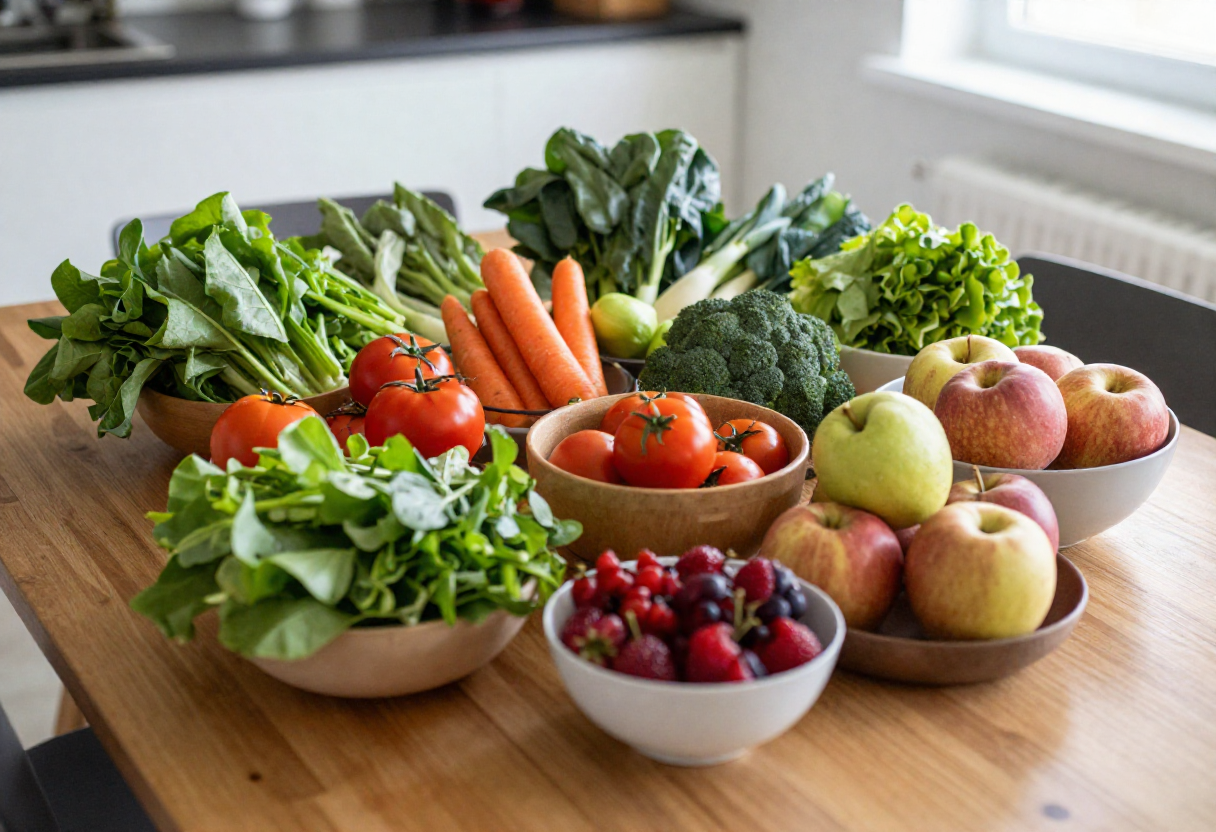
Healthy foods vs nutritious foods is a distinction that often confuses people. While many foods are labeled or perceived as “healthy,” they aren’t always packed with the nutrients your body truly needs. Nutritious foods, on the other hand, deliver vitamins, minerals, fiber, and other essential nutrients without unnecessary calories or additives.
Understanding the difference can help you make smarter choices for your diet, avoid common misconceptions, and prioritize foods that genuinely support your health. In this article, we’ll break down what defines healthy and nutritious foods, compare them side by side, and provide practical tips for choosing foods that benefit your body most.

What Are Healthy Foods?
Healthy foods are generally defined as foods that support overall wellness and are considered good for your body when eaten regularly. These foods often provide essential nutrients, but the term “healthy” can sometimes be used loosely, influenced by marketing or popular trends rather than actual nutritional value.
Common Examples
- Whole grains like oats, brown rice, and whole wheat bread
- Fresh fruits such as apples, oranges, and berries
- Vegetables, including carrots, broccoli, and leafy greens
- Lean proteins like chicken, fish, and legumes
- Low-fat dairy options
How People Typically Perceive “Healthy Foods”
Many people assume that any food labeled as “low-fat,” “low-calorie,” or “organic” is automatically healthy. While these foods may be part of a balanced diet, they aren’t always nutrient-dense. Some packaged “healthy” snacks, for example, can be high in sugar, refined carbs, or sodium, which reduces their overall benefit.
The key takeaway: healthy foods are about general wellness, but may not always maximize nutrient intake.
What Are Nutritious Foods?
Nutritious foods are defined by their high nutrient density—they deliver a large amount of vitamins, minerals, fiber, and other essential nutrients relative to their calorie content. Unlike some foods labeled as “healthy,” nutritious foods provide measurable benefits to the body, supporting energy, immunity, and overall wellness.
Examples of Highly Nutritious Foods
- Dark leafy greens like spinach, kale, and Swiss chard
- Cruciferous vegetables such as broccoli and Brussels sprouts
- Berries and other antioxidant-rich fruits
- Fatty fish like salmon and sardines for omega-3s
- Nuts, seeds, and legumes for healthy fats and protein
- Eggs and dairy for vitamins and minerals
Why Nutrient Density Matters
Focusing on nutrient-dense foods ensures your body gets essential nutrients without excess calories. This helps with maintaining energy, supporting metabolism, and reducing the risk of nutrient deficiencies. Even foods considered “healthy” can be low in nutrients if they’re overly processed or contain mostly filler calories, so nutrient density is key.
The takeaway: nutritious foods maximize health benefits per calorie, making them more impactful than simply “healthy” foods.

Healthy vs Nutritious: Key Differences
While “healthy” and “nutritious” are often used interchangeably, there are important distinctions. Understanding these differences helps you choose foods that truly benefit your body rather than just relying on labels or trends.
Healthy Foods vs Nutritious Foods
| Feature | Healthy Foods | Nutritious Foods |
|---|---|---|
| Definition | Foods generally considered good for overall wellness | Foods high in essential nutrients per calorie |
| Nutrient Density | Can vary; not always nutrient-rich | High nutrient content relative to calories |
| Examples | Low-fat snacks, whole grains, “low-calorie” packaged foods | Leafy greens, berries, cruciferous vegetables, nuts, seeds |
| Marketing Influence | Often influenced by trends, packaging, or “health halo.” | Focuses on measurable nutrient content rather than labels |
| Benefit | Supports general health when eaten as part of a balanced diet | Provides maximum vitamins, minerals, fiber, and antioxidants per calorie |
| Potential Pitfall | May be low in nutrients or high in sugar/calories despite “healthy” label | Fewer pitfalls if you focus on variety and portion control |
The takeaway: all nutritious foods are healthy, but not all foods labeled “healthy” are truly nutritious. Focusing on nutrient density ensures your diet supports energy, immunity, and long-term wellness.

Tips for Selecting Truly Supportive Foods
| Tip | How to Apply |
|---|---|
| Prioritize nutrient-dense foods | Choose fruits, vegetables, whole grains, nuts, seeds, and lean proteins that provide vitamins, minerals, fiber, and healthy fats |
| Read nutrition labels carefully | Look for added sugars, sodium, and unhealthy fats; nutrient content per calorie matters more than “low-fat” or “organic” claims |
| Balance your plate | Include a mix of vegetables, protein, whole grains, and healthy fats to keep you full and satisfied |
| Variety is key | Rotate different types of fruits, vegetables, and proteins to cover a wide range of nutrients |
| Consider your goals | Adjust portion sizes and food types based on your energy needs, activity level, and health objectives |
Key takeaway: By focusing on nutrient-dense foods, variety, and balance, you ensure your meals truly support overall wellness rather than relying on vague “healthy” claims.

FAQ: Healthy vs Nutritious Foods
Q1: Are all healthy foods nutritious?
Not necessarily. A food can be labeled or marketed as “healthy” but may be low in actual nutrients or high in sugar, refined carbs, or sodium. Nutritious foods are specifically rich in vitamins, minerals, fiber, and other essential nutrients per calorie.
Q2: Can processed foods ever be nutritious?
Some minimally processed foods, like frozen vegetables or canned beans without added salt or sugar, can still be nutrient-dense. Highly processed foods, however, often lose nutrients and gain added sugars, unhealthy fats, or excess sodium.
Q3: How do I make sure I’m eating nutrient-dense foods?
Focus on whole, colorful fruits and vegetables, lean proteins, whole grains, nuts, and seeds. Check nutrition labels for vitamins, minerals, fiber, and avoid foods with long lists of added sugars or artificial ingredients.
Q4: Does “low-calorie” or “low-fat” mean a food is healthy?
Not always. Foods can be low in calories or fat but lack essential nutrients, or may have added sugar to improve taste. Always consider nutrient density and balance, not just calories or fat content.
Understanding the difference between healthy and nutritious foods can help you make smarter choices that truly support your body. According to Harvard Health Publishing, nutrient‑dense foods — those rich in vitamins, minerals, fiber, and other essential nutrients relative to calories — should form the foundation of a balanced diet to help meet your nutritional needs without excess calories. The American Heart Association describes nutrient‑dense eating patterns as choosing a variety of vegetables, fruits, whole grains, lean proteins, and healthy fats to maximize nutrient intake while limiting added sugars and unhealthy fats
