Most people know vitamin K has something to do with blood clotting — but that’s only part of the story. Understanding what vitamin K does reveals why this often-ignored nutrient plays a critical role in bone strength, heart health, and even long-term disease prevention.
Vitamin K is a fat-soluble vitamin that helps activate proteins responsible for controlling bleeding and directing calcium to where your body needs it most — like your bones instead of your arteries. Without enough vitamin K, important processes in the body simply don’t work as efficiently as they should.
Despite its importance, many people rarely think about their vitamin K intake unless they’re told to — often after a health issue appears. So what exactly does vitamin K do, and how can you make sure you’re getting enough?
Let’s break it down.

What Is Vitamin K?
Vitamin K is a fat-soluble vitamin that plays an essential role in several critical processes in the body. Unlike water-soluble vitamins that are easily flushed out, vitamin K is stored in small amounts in the liver and fatty tissues and must be consumed regularly through food.
There are two main forms of vitamin K:
Vitamin K1 (Phylloquinone)
Vitamin K1 is found primarily in leafy green vegetables such as spinach, kale, and broccoli. This form is mainly responsible for supporting normal blood clotting. In fact, the “K” in vitamin K comes from the German word Koagulation, meaning clotting.
Vitamin K2 (Menaquinone)
Vitamin K2 is found in fermented foods, certain dairy products, and meat, and is also produced in small amounts by gut bacteria. Vitamin K2 plays a larger role in directing calcium to bones and teeth while helping prevent calcium buildup in arteries.
Although both forms support overall health, vitamin K1 is more common in Western diets, while vitamin K2 intake tends to be lower, which may explain why vitamin K deficiency symptoms sometimes develop subtly over time.
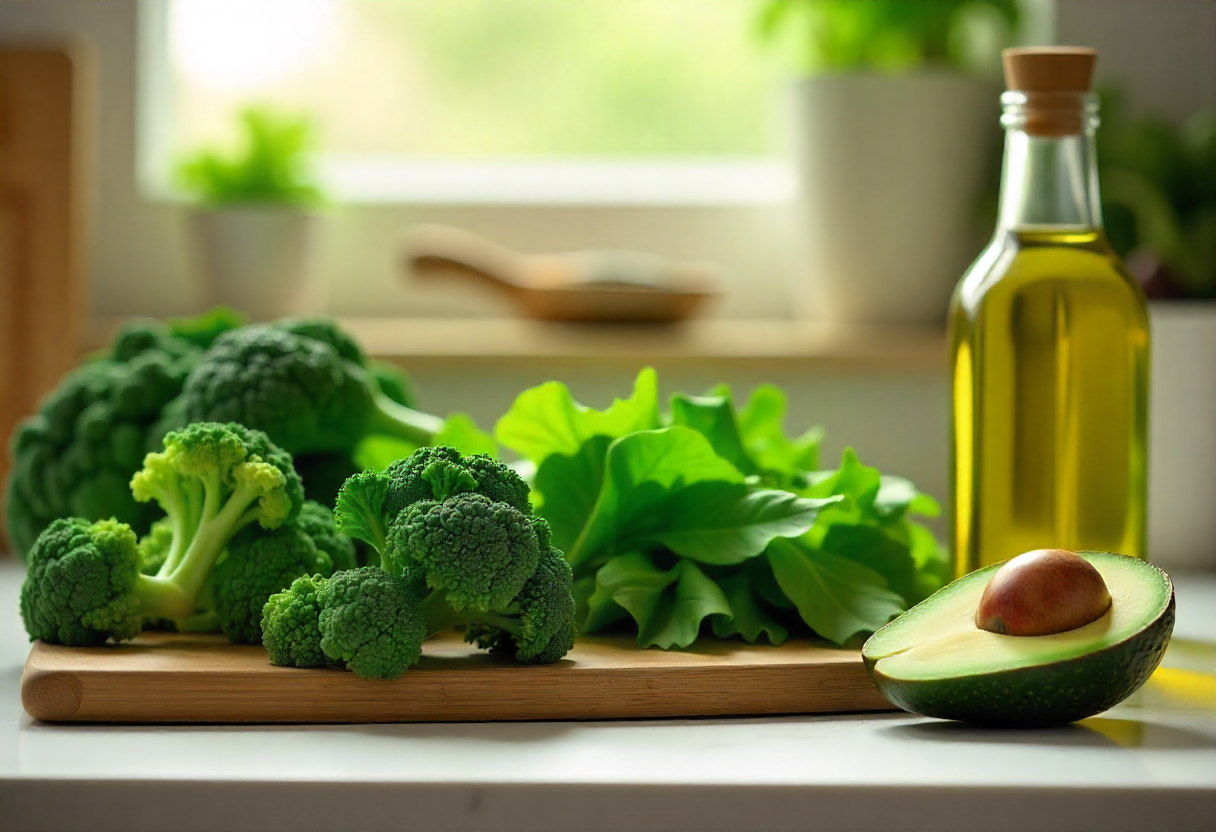
Because vitamin K is fat-soluble, it is best absorbed when consumed with dietary fat. Pairing leafy greens with olive oil or avocado, for example, can significantly improve absorption.

How Vitamin K Works in the Body
Vitamin K is more than just a nutrient for blood clotting. It plays a vital role in multiple systems:
- Supports Blood Clotting
Vitamin K activates proteins that help your blood clot properly, preventing excessive bleeding when you get injured.
- Strengthens Bones
By activating osteocalcin, vitamin K helps bind calcium to your bones, improving density and reducing fracture risk.
- Protects Heart Health
Vitamin K directs calcium away from arteries, helping prevent arterial stiffness and supporting cardiovascular health.
- Potential Benefits for Brain and Overall Aging
Emerging research suggests vitamin K may support brain health and help reduce age-related cellular damage.
Even small deficiencies can subtly affect these processes, which is why vitamin K intake is important throughout life.

Signs of Vitamin K Deficiency
Vitamin K deficiency is uncommon in healthy adults, but when it occurs, it can have subtle or serious effects. Knowing the signs helps you catch issues early.
Common Signs
- Easy bruising or bleeding – small cuts or bumps may bleed longer than normal
- Heavy or prolonged menstrual bleeding – in women of childbearing age
- Nosebleeds – frequent or unexplained
- Excessive bleeding from gums – especially when brushing or flossing
- Bone fragility – increased risk of fractures over time
Who’s at Risk?
- People with malabsorption disorders (e.g., celiac, Crohn’s disease)
- Those on long-term antibiotics, which can disrupt gut bacteria producing vitamin K2
- Individuals on blood-thinning medications like warfarin, which interfere with vitamin K function
- Older adults with low dietary intake
If you notice these signs, it’s important to consult a healthcare provider rather than self-supplement, especially if you take medications that affect blood clotting.

Top Food Sources of Vitamin K
Getting enough vitamin K is easier than you might think if you include a variety of foods in your diet. Both K1 and K2 forms are important, and eating a mix ensures you cover all your needs.
Vitamin K1 (Leafy Greens & Vegetables)
- Kale, spinach, collard greens, romaine lettuce, swiss chard
- Broccoli, Brussels sprouts, cabbage, asparagus
- Green peas, green beans, and herbs like parsley
Vitamin K2 (Fermented & Animal Foods)
- Natto (fermented soy), hard and soft cheeses
- Egg yolks, chicken, beef liver, pork
- Fermented foods like sauerkraut, kefir, and yogurt
Practical Tips
- Mix leafy greens into smoothies, salads, soups, or omelets
- Incorporate K2-rich foods gradually if you’re new to fermented items
- Pair K1 vegetables with olive oil, avocado, or nuts for better absorption
Even small changes, like adding a handful of spinach to your breakfast omelet or including cheese and yogurt in your meals, can help you meet your daily vitamin K needs.
Most people get enough vitamin K through a balanced diet, but supplements can be helpful in certain situations.
Who Might Benefit from Supplements
- Older adults who may have reduced absorption
- People on blood-thinning medications like warfarin (only under medical supervision)
- Individuals with malabsorption disorders such as celiac, Crohn’s, or cystic fibrosis
- Those who rarely eat K1 or K2-rich foods
Things to Keep in Mind
- Vitamin K is fat-soluble, so it’s best absorbed with meals containing healthy fats
- Do not self-supplement if you are on anticoagulants; consult a healthcare professional
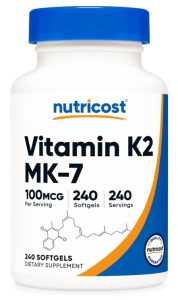
- Aim for supplements that specify whether they contain K1, K2, or both, depending on your needs
Even small doses can help prevent deficiency, but it’s always better to focus on dietary sources first.

Vitamin K FAQ
Q1: What does vitamin K do in the body?
Vitamin K activates proteins that control blood clotting, support bone mineralization, and help prevent calcium buildup in arteries. Both K1 and K2 forms are important for these functions.
Q2: How much vitamin K do adults need?
Most adults need 90–120 mcg per day, depending on age and sex. Requirements can vary for people on certain medications or with health conditions.
Q3: What foods are highest in vitamin K?
Leafy greens like spinach, kale, and broccoli are rich in K1, while fermented foods (natto, cheese, yogurt) and animal products (egg yolks, liver, chicken) provide K2.
Q4: Can you get too much vitamin K?
Vitamin K toxicity is rare from food sources. Supplements can cause issues if taken in high doses, especially for people on blood-thinning medications. Always consult a healthcare provider.
Q5: Who is at risk of vitamin K deficiency?
- People with malabsorption disorders (celiac, Crohn’s)
- Those on long-term antibiotics
- Adults with very low dietary intake or older adults
Vitamin K is often overlooked, but it plays a crucial role in your blood, bones, and heart. From activating clotting proteins to directing calcium to the right places in your body, getting enough vitamin K helps maintain long-term health. Most people can meet their needs through a balanced diet rich in leafy greens, fermented foods, and quality animal products, but supplements may be necessary for those at risk of deficiency.
By understanding what vitamin K does and including a variety of K1 and K2 sources in your meals, you can support your body’s natural processes, prevent deficiencies, and promote overall wellness.