

Feeling uncomfortable or tight after eating is something many people experience, but it doesn’t have to be your normal. If you’re trying to reduce bloating after meals, understanding what’s causing it — and what actually helps — is the first step toward relief.
Bloating can happen for several reasons, from eating too quickly to digestive issues or certain food triggers. The good news is that simple changes to your habits, posture, and food choices can make a noticeable difference. In this article, we’ll break down why bloating happens after meals and share practical, easy ways to reduce bloating after meals so you can feel more comfortable and relaxed after eating.
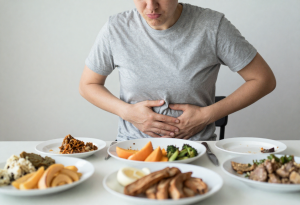
Why You Feel Bloated After Eating
To effectively reduce bloating after meals, it helps to understand what’s causing that uncomfortable, full feeling in the first place. Bloating is usually the result of gas buildup, slowed digestion, or how your body processes certain foods.
Eating Too Quickly
When you eat fast, you tend to swallow more air, which can lead to gas and bloating. Rapid eating also gives your digestive system less time to properly break down food, increasing discomfort after meals.
Overeating
Large portions can stretch the stomach and slow digestion, making you feel heavy and bloated. This is especially common after rich or high-fat meals, which take longer to digest.
Gas Production During Digestion
As food is broken down in your gut, gas is naturally produced. Certain foods — especially high-fiber or carbohydrate-rich foods — can increase this process and lead to bloating after eating.
Food Sensitivities or Intolerances
Some people are more sensitive to specific foods like dairy, gluten, or certain vegetables. These can cause excess gas, inflammation, and discomfort, making it harder to reduce bloating after meals without identifying the trigger.
Slowed Digestion
If your digestion is sluggish, food sits in the stomach longer than it should, leading to fermentation and gas buildup. Stress, inactivity, and heavy meals can all contribute to this.
Simple Ways to Reduce Bloating After Meals
If you want to reduce bloating after meals, small, simple changes can make a big difference. These habits help support digestion, reduce gas buildup, and keep your body feeling more comfortable after eating.
Stay Upright After Eating
Instead of lying down straight after a meal, try to remain seated or standing for at least 30–60 minutes. This helps gravity support digestion and prevents pressure on the stomach, making it easier to reduce bloating after meals.
Go for Light Movement
Gentle activity, like a short walk or moving around the house, can help stimulate digestion and reduce gas buildup. You don’t need intense exercise — even light movement can help your digestive system work more efficiently.
Drink Water
Staying hydrated supports digestion and helps your body process food more effectively. Drinking water after meals can also help reduce feelings of fullness and bloating.
Eat More Slowly
Taking your time while eating reduces the amount of air you swallow and allows your body to properly signal when you’re full. This simple habit can significantly help reduce bloating after meals.
Avoid Trigger Foods
Some foods are more likely to cause bloating, such as carbonated drinks, highly processed foods, or meals high in salt. Paying attention to how your body reacts can help you identify and limit these triggers.
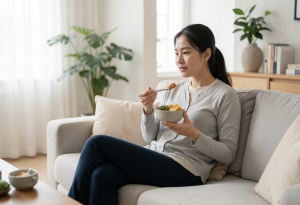
Best Positions After Eating to Reduce Bloating
The way you position your body after a meal can directly affect how well your food is digested. Choosing the right posture can help reduce bloating after meals by allowing your digestive system to work more efficiently.
Sit Upright
Sitting upright keeps your stomach in a natural position, allowing food to move more easily through the digestive tract. This reduces pressure on the abdomen and helps prevent bloating.
Avoid Lying Flat
Lying down immediately after eating can slow digestion and increase pressure in the stomach, which may lead to bloating or discomfort. Staying upright for at least 30–60 minutes can help your body process food more smoothly.
Try a Slight Left-Side Lean
Sitting slightly angled or leaning gently to the left may support digestion, as the stomach naturally curves in that direction. This position can help reduce pressure and improve the movement of food.
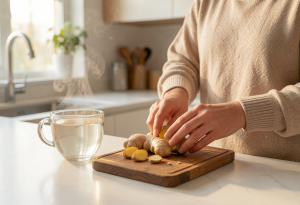
Foods That Can Help Reduce Bloating After Meals
What you eat can make a big difference when trying to reduce bloating after meals. Certain foods help support digestion, reduce gas buildup, and soothe the digestive system naturally.
Ginger
Ginger is well known for its ability to support digestion and reduce bloating. It may help speed up stomach emptying and reduce the buildup of gas after eating.
Peppermint
Peppermint has a calming effect on the digestive tract and can help relax the muscles of the gut, making it easier to pass gas and relieve bloating.
Yogurt and Probiotics
Foods rich in probiotics, like yogurt, help balance gut bacteria. A healthy gut microbiome can improve digestion and reduce bloating over time.
Potassium-Rich Foods
Foods like bananas, spinach, and avocados can help balance sodium levels in the body, reducing water retention and bloating.
Foods That Help Reduce Bloating
| Food Type | How It Helps | Example Foods |
|---|---|---|
| Digestive Support | Speeds up digestion | Ginger, turmeric |
| Gut Soothing | Relaxes the digestive tract | Peppermint, herbal teas |
| Probiotic Foods | Improves gut bacteria balance | Yogurt, kefir |
| Anti-Bloating Nutrients | Reduces water retention | Banana, spinach, avocado |
Habits That Make Bloating Worse
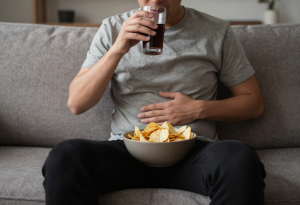
If you’re trying to reduce bloating after meals, it’s just as important to know what might be making it worse. Some everyday habits can slow digestion, increase gas buildup, and lead to discomfort after eating.
Drinking Carbonated Beverages
Soft drinks and sparkling water contain gas, which can build up in your digestive system and cause bloating. Drinking these with or after meals can make the feeling worse.
Eating Too Quickly
Rushing through meals increases the amount of air you swallow and can overwhelm your digestive system. This often leads to more gas and discomfort after eating.
Overeating Large Portions
Eating more than your body can comfortably digest puts extra pressure on your stomach, slowing digestion and increasing the likelihood of bloating.
Consuming Too Much Salt
High-sodium foods can cause your body to retain water, leading to a bloated or swollen feeling after meals. Processed and packaged foods are common culprits.
Lying Down Too Soon After Eating
Going straight to bed or lying flat can slow digestion and increase pressure in the stomach, making bloating more noticeable.
Frequently Asked Questions (FAQ)
1. Why do I feel bloated after every meal?
Frequent bloating can be caused by overeating, swallowing air, food sensitivities, or slow digestion. Identifying triggers and adjusting habits like meal size, speed of eating, and posture can help.
2. How long does bloating usually last after eating?
For most people, bloating subsides within 1–2 hours. If it persists longer or is accompanied by pain, it may indicate an underlying digestive issue.
3. Can walking after meals help with bloating?
Yes, light movement like a short walk can stimulate digestion, help move gas through the intestines, and reduce post-meal bloating.
4. When should I see a doctor about bloating?
Seek medical advice if bloating is frequent, severe, or accompanied by other symptoms like abdominal pain, unexplained weight loss, or changes in bowel habits.
Bloating after eating is a very common digestive symptom that can result from gas buildup, swallowing air, or the way food moves through the gut. The Cleveland Clinic explains that bloating often occurs when excess gas accumulates in the digestive tract, and common causes include eating too quickly, food intolerances, or swallowing air during meals — the sensation may pass on its own, but changing habits like portion size and eating pace can help. The Mayo Clinic notes that carbonated beverages and certain high‑gas foods can introduce extra air into the digestive system and worsen bloating, and recommends choosing still water or herbal teas after eating to promote smoother digestion and reduce gas discomfort
