

What is protein? Protein is one of the three essential macronutrients, vital for overall health. Beyond supporting muscles, enzymes, and hormones, protein helps you feel full longer, curbing cravings and maintaining steady energy throughout the morning. Starting your day with a protein-rich breakfast can make it easier to manage hunger, prevent overeating, and support balanced energy.
In this article, we’ll explore what protein is, how it affects fullness, why breakfast protein matters, and practical tips for including enough protein in your meals.

What Is Protein?
Protein is made up of smaller units called amino acids, which are the building blocks for muscles, enzymes, hormones, and other essential structures in the body. Unlike carbohydrates or fats, your body cannot store protein, so it needs to be consumed regularly through food.
There are two main sources of protein:
- Animal-based proteins – meat, poultry, fish, eggs, dairy
- Plant-based proteins – beans, lentils, tofu, nuts, seeds, whole grains
Consuming adequate protein is crucial for muscle repair, overall health, and proper body function. While fullness and satiety will be discussed in the next section, including protein at breakfast can help set the tone for your energy and appetite throughout the morning.
Including protein at breakfast can be especially beneficial, as it sets the tone for your energy and hunger levels for the rest of the morning.

How Protein Affects Fullness and Satiety
Protein does more than build muscles — it has a direct effect on how full you feel after a meal. When you eat protein, your body releases hormones such as peptide YY (PYY) and cholecystokinin (CCK), which signal to your brain that you’re satisfied. At the same time, protein helps stabilize blood sugar levels, preventing spikes and crashes that can trigger hunger.
Meals higher in protein can increase satiety compared with low-protein meals, which can help reduce overall calorie intake and manage appetite throughout the day. Including protein in your meals — especially breakfast — can help you feel fuller for longer, curb cravings, and maintain steady energy.

Why Breakfast Protein Matters
Starting your day with protein is one of the easiest ways to set yourself up for steady energy and reduced hunger. Protein at breakfast helps stabilize blood sugar, slows digestion, and signals to your brain that you’re satisfied, which can prevent mid-morning cravings and unnecessary snacking.
Breakfast meals that are high in protein — like eggs, Greek yogurt, or a protein smoothie — can help you feel fuller for longer compared with carb-heavy options. Including protein early in the day also supports muscle maintenance, metabolism, and overall energy levels, making it easier to stay focused and productive until your next meal.
For those looking to maximize fullness, aim for 20–30 grams of protein at breakfast, which can come from a combination of eggs, dairy, legumes, or protein powders. Pairing protein with fiber-rich fruits, vegetables, or whole grains further enhances satiety, keeping you satisfied longer.
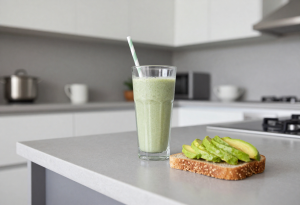
Practical Tips for Getting Enough Protein at Breakfast
Getting enough protein at breakfast doesn’t have to be complicated. Here are some simple, versatile ways to hit your protein goals and stay full longer:
| Breakfast Option | Protein Content (approx.) | Quick Tip |
|---|---|---|
| Scrambled eggs (2–3 eggs) | 12–18g | Add spinach, tomatoes, or peppers for extra fiber and nutrients |
| Greek yogurt (1 cup, plain) | 15–20g | Top with berries, chia seeds, or a small handful of nuts |
| Protein smoothie (1 scoop protein powder + milk/plant milk) | 20–25g | Include fruit or oats for fiber and sustained energy |
| Oatmeal with protein powder or nuts | 15–20g | Cook with milk or soy milk to boost protein content |
| Cottage cheese (½ cup) | 12–14g | Pair with sliced fruit or a sprinkle of seeds for fullness |
| Whole-grain toast with nut butter & seeds | 10–12g | Add a boiled egg on the side for extra protein |
Tips for maximizing fullness:
- Combine protein + fiber + healthy fats for longer satiety
- Include at least 20g of protein per breakfast if possible
- Prepare ahead (overnight oats, pre-portioned smoothie packs) for convenience

Common Questions About Protein and Fullness
1. How much protein should I eat at breakfast?
To help you feel fuller for longer, aim for 20–30 grams of protein at breakfast. This can come from eggs, Greek yogurt, protein smoothies, or a combination of plant-based and animal sources. Pairing protein with fiber-rich foods like whole grains or fruit further enhances satiety.
2. Will eating more protein help me lose weight?
Yes — protein keeps you full longer, which can help reduce overall calorie intake. High-protein meals increase satiety, prevent mid-morning cravings, and may support weight management when combined with a balanced diet and regular activity.
3. Can plant-based proteins keep me as full as animal proteins?
Absolutely. Plant-based proteins such as lentils, beans, tofu, tempeh, and nuts provide essential amino acids and fiber. When consumed in sufficient quantities, they can be just as effective at promoting fullness and stabilizing energy as animal-based proteins.
4. Why does protein keep me full longer than carbs?
Protein slows digestion and stimulates satiety hormones like peptide YY (PYY) and cholecystokinin (CCK). Carbohydrates, especially refined ones, are digested quickly, which can lead to faster drops in blood sugar and earlier feelings of hunger.
5. How long will I feel full after a high-protein meal?
Most people report feeling satisfied for 3–4 hours after a protein-rich meal, though this can vary depending on portion size, meal composition, and activity level. Combining protein with fiber and healthy fats can further extend fullness.
Understanding what protein is and why it keeps you full longer can help you make smarter choices around meals — especially breakfast. Protein does more than keep your muscles strong: it slows digestion, supports satiety, and helps stabilise hunger signals so you’re less likely to snack or overeat between meals. Studies have shown that diets higher in protein are associated with greater feelings of fullness and reduced appetite compared with lower‑protein diets, suggesting protein’s powerful role in appetite control and satiety. One systematic review from NIH found that people consuming higher levels of dietary protein experienced greater fullness and satiety than those on lower‑protein diets over time.
A study from Harvard Health also shows that having extra protein at breakfast can help curb appetite later in the day, because protein takes longer to digest than carbohydrates, helping you feel fuller for longer
