

Incorporating simple evening habits to reduce bloating can help you wake up feeling lighter, more comfortable, and energized. After a long day, many people climb into bed feeling unusually heavy or puffy, even if they didn’t overeat. This isn’t fat gain overnight — most often, it’s your body holding onto extra water due to sodium, digestion, hormonal fluctuations, and lifestyle factors. The good news is that small, intentional changes in your evening routine can dramatically reduce morning puffiness and prevent that sluggish, bloated feeling from recurring.
Why Evening Habits Matter for Morning Bloating
Evening is a crucial window for managing fluid balance. After a full day of eating, moving, and working, your body continues to process nutrients, metabolize food, and regulate hormones. High-sodium meals, late-night snacking, alcohol, and poor sleep can all signal the body to retain water. Stress and elevated cortisol levels prevent the lymphatic system from efficiently removing excess fluids, which leads to puffiness in the face, fingers, ankles, and stomach.
By adopting practical evening habits, you support your body’s natural processes to release water, calm digestion, and stabilize blood sugar, which can reduce bloating and help you feel lighter by morning. For a deeper dive into why you may feel heavy at night, even without overeating.
If morning puffiness is something you notice often, it’s closely connected to how your body regulates fluids overnight. We explain this in more detail in Why You Feel Puffy in the Morning (And What It Says About Your Body).
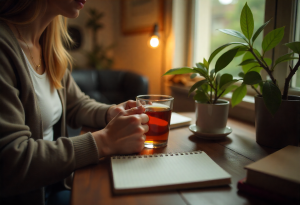
Hydrate Strategically in the Evening
Many people assume that drinking water before bed will worsen puffiness, but the opposite is true. When your body senses dehydration, it retains fluid as a protective mechanism. Sipping water or a caffeine-free herbal tea in the evening signals your kidneys to flush excess sodium, helping regulate overnight fluid balance.
Herbal teas such as chamomile, peppermint, or dandelion not only hydrate but also support digestion and gentle fluid release. Avoid sugary drinks, sodas, or alcohol late in the evening, as these can trigger water retention and counteract hydration benefits. Taking small sips throughout the evening is more effective than drinking large amounts right before bed, which can disturb sleep. Proper evening hydration supports the kidneys and lymphatic system, both crucial for reducing morning puffiness.
Choose Low-Sodium Dinners to Reduce Overnight Water Retention
Evening meals play a significant role in overnight bloating. Holiday dinners, takeout, and restaurant meals are often packed with hidden salt, which encourages water retention. Eating high-sodium foods late in the day reinforces puffiness, even if you’ve eaten low-sodium meals earlier.
Simple strategies include choosing grilled or baked fish, chicken, or tofu without heavy sauces, incorporating fresh or steamed vegetables, and enjoying low-sodium soups or broths with lean protein. Vegetables are rich in fiber and potassium, which help balance electrolytes and encourage fluid release, while protein stabilizes blood sugar and supports digestion. Pairing a low-sodium dinner with a low-sodium breakfast can amplify these effects, and for a full-day approach, check out Low-Sodium Breakfasts That Reduce Bloating After the Holidays. Consistency matters; the more regularly you practice low-sodium dinners, the more your body learns to release excess fluid naturally.
Gentle Evening Movement Supports Circulation and Digestion
Even mild physical activity in the evening can help prevent bloating. Light yoga, stretching, or a short walk after dinner encourages circulation and helps the body move retained fluids. Even ten to fifteen minutes can make a noticeable difference.
Yoga poses such as cat-cow, reclined twists, or legs-up-the-wall improve lymphatic drainage, relieve tension, and aid digestion. Light walking stimulates the digestive system, helping prevent food from lingering in the stomach and intestines, which can contribute to bloating. Gentle mobility exercises or foam rolling can further reduce tension that impedes fluid movement. Incorporating a movement routine into your evening not only improves fluid balance but also sets the stage for a more restful night’s sleep.

Relaxation Techniques to Lower Evening Cortisol
Elevated cortisol, the body’s primary stress hormone, can increase water retention and interfere with normal fluid regulation. Relaxation practices in the evening, such as deep breathing exercises, meditation, reading, or listening to calming music, lower cortisol levels and promote a calm state before bed.
Even taking a warm bath or shower can support circulation, relax muscles, and prepare the body for restorative sleep. For more on cortisol and its effects on puffiness, please see this article – What Is a “High Cortisol Face”? Signs, Causes, and How to Fix It Naturally. Establishing a calming pre-sleep routine trains the nervous system to wind down, enhancing sleep quality and reducing overnight fluid retention.
Timing and Choices for Late-Night Snacks
Even healthy snacks can worsen bloating if eaten too close to bedtime. Late-night snacking, especially foods high in sodium or sugar, spikes insulin and triggers fluid retention. To prevent this, finish meals at least two to three hours before bed.
If a snack is necessary, opt for potassium-rich foods like cucumber slices, a banana, or a small portion of plain Greek yogurt. Avoid processed foods, flavored yogurts, or packaged snacks that can contribute to water retention. The timing of your evening intake is as important as the type of food consumed.
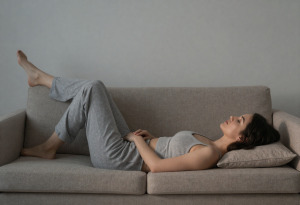
Elevate Your Legs and Promote Circulation
For those experiencing swelling in the feet or ankles after a long day, elevating the legs slightly while lying down encourages fluid return to the upper body. This simple adjustment improves circulation and reduces puffiness, making mornings more comfortable.
Prioritize Consistent, Quality Sleep
Sleep is critical for hormone regulation and fluid balance. Aim for seven to nine hours in a cool, dark, quiet environment. Consistent sleep helps regulate hormones such as cortisol and insulin, both of which influence fluid balance and bloating.
Additional tips for better sleep include avoiding screens 30–60 minutes before bed, maintaining a slightly cool bedroom temperature, and using blackout curtains or eye masks. Alcohol and caffeine late in the day can further disrupt fluid balance and sleep, increasing the likelihood of morning bloating. Monitoring daily sodium intake and avoiding processed foods in the evening can also prevent spikes that lead to overnight fluid retention.
Long-Term Benefits of Evening Habits
Over time, these evening habits not only reduce morning puffiness but also improve digestion, circulation, and overall energy, creating a sustainable routine. By focusing on hydration, low-sodium meals, gentle movement, relaxation, and sleep hygiene, you give your body the signals it needs to release excess water, calm digestion, and improve how you feel by morning. Morning puffiness and bloating are rarely caused by overeating; instead, they are often a response to high sodium intake, disrupted digestion, stress, poor sleep, and hormonal fluctuations.
Consistency is key. Small changes repeated over several nights can produce noticeable improvements in bloating, comfort, and energy. Implementing these habits post-holiday — and maintaining them throughout the year — can help regulate appetite, reduce inflammation, and support long-term digestive and circulatory health. For additional strategies to reduce morning puffiness, see Why You Feel Heavier at Night (Even When You Didn’t Overeat).
Frequently Asked Questions
Q1: Can you really reduce bloating overnight?
Yes, you can reduce bloating overnight by supporting digestion and reducing fluid retention. Simple habits like staying hydrated, avoiding heavy late meals, and gentle movement can help your body reset while you sleep.
Q2: What causes bloating in the evening?
Evening bloating is often caused by large meals, salty foods, gas buildup, or slow digestion throughout the day. Sitting for long periods can also contribute to fluid retention.
Q3: Does elevating your legs help reduce bloating?
Elevating your legs may help improve circulation and reduce fluid buildup in the lower body, which can support overall comfort and reduce feelings of bloating.
Q4: What foods should I avoid at night to prevent bloating?
It’s best to avoid very salty foods, carbonated drinks, and large, heavy meals late at night, as these can contribute to water retention and digestive discomfort.
Q5: How long does it take for bloating to go away?
Bloating can improve within a few hours or overnight, depending on the cause. Consistent healthy habits can help reduce how often it occurs.
Evening bloating and abdominal discomfort are common digestive experiences that can result from excess gas, slowed digestion, or fluid retention. According to Harvard Health Publishing, bloating often happens when too much gas builds up in the digestive tract, which can be influenced by how your body digests certain foods and how quickly you eat. The Cleveland Clinic notes that bloating is usually caused by digestive issues such as gas production and digestive contents building up, and that understanding triggers like certain foods or eating habits can help manage symptoms. Lifestyle habits such as staying hydrated, maintaining regular movement, and avoiding trigger foods before bedtime may help reduce bloating and improve comfort overnight.
