

If you’ve ever wondered how to lower cortisol at night, you’re not alone. Evening routines matter more than most people realise — what you do in the hours before bed sets the tone for how your body transitions into rest. Cortisol, often called the stress hormone, normally peaks in the morning and declines toward evening so you can unwind. But everyday stressors like screen time, late meals, or unpredictable routines can keep cortisol elevated, making it harder to fall asleep and stay asleep.
By incorporating simple, relaxing nighttime rituals that work with your body’s natural rhythms — such as dimming lights, gentle stretching, mindful breathing, and warm herbal teas — you can support your body’s natural cortisol decline, improve sleep quality, and feel calmer and more restored the next day.
Why Cortisol Affects Your Evening and Sleep
Cortisol, often called the “stress hormone,” is essential for many bodily processes, including regulating blood sugar, metabolism, and the sleep-wake cycle. Normally, cortisol peaks in the morning to help you wake up and gradually declines toward evening, allowing the body to prepare for rest. When cortisol remains elevated at night, your body stays in a mild “fight or flight” state. This can make it difficult to fall asleep, reduce the amount of restorative deep sleep, and even cause fluid retention that leads to morning puffiness and bloating.
Even subtle, everyday stressors, such as checking emails before bed, scrolling social media, or worrying about unfinished tasks, can keep cortisol higher than it should be. This prolonged elevation signals your body to remain alert, slows digestion, and prevents the lymphatic system from efficiently clearing fluids, which often leaves you feeling heavy or bloated in the morning. Managing cortisol in the evening is therefore not only crucial for sleep but also for overall wellness. For more on how cortisol affects morning puffiness, see High Cortisol Face: Signs, Causes, and How to Fix It Naturally.
Support Cortisol Balance for Better Sleep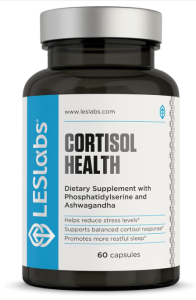
Because cortisol is closely linked to your sleep rhythm — rising and falling throughout the day and night — keeping it balanced is key to falling asleep more easily and staying asleep longer. Elevated evening cortisol can interfere with your ability to wind down, disrupt REM cycles, and lead to restless nights.
One way to support a balanced stress response at night is to combine lifestyle changes with a targeted cortisol support supplement. While good sleep hygiene and relaxation rituals are the cornerstone, a supplement can help support your body’s stress regulation so you’re better able to enjoy the calming benefits of your evening routine.
👉 Get a trusted cortisol support supplement on Amazon:
This formula is designed to help your body maintain a healthy stress response, support recovery, and promote relaxation as you unwind for sleep.
Dim Lights and Reduce Screen Time
Your body’s circadian rhythm is strongly influenced by light. Exposure to bright or blue light in the evening signals to your brain that it’s still daytime, which keeps cortisol elevated and delays the release of melatonin, the sleep hormone. Phones, tablets, and TVs are particularly disruptive because they emit a high concentration of blue light.
One of the simplest nighttime habits that can have a noticeable effect is to dim household lighting 1–2 hours before bed. Replace harsh overhead lights with warm, soft lighting, use lamps or candles, and reduce screen brightness. If you need to use devices, switch to night mode or wear blue-light-blocking glasses. This small adjustment helps your nervous system recognize that it’s time to wind down, allowing cortisol to decline naturally and promoting relaxation, calm digestion, and easier sleep onset.
Gentle Evening Movement or Stretching
Exercise is beneficial for health, but timing and intensity matter. Vigorous workouts late in the evening can elevate cortisol temporarily, which may interfere with sleep. In contrast, gentle movement or stretching supports circulation, encourages lymphatic drainage, and signals the body that it’s safe to relax.
Even a short 5–10 minute routine of stretches focusing on the hips, lower back, and shoulders can make a difference. Simple yoga poses or gentle mobility exercises, combined with deep breathing, help relieve tension and prepare both mind and body for sleep. Light evening movement also aids digestion, making it easier for your body to process food from dinner and reducing the likelihood of bloating overnight. Pairing this habit with low-sodium meals or mindful eating, as outlined in Low-Sodium Breakfasts That Reduce Bloating After the Holidays, supports overall fluid balance and comfort.
Mindful Breathing or Meditation
Chronic stress accumulates throughout the day, often going unnoticed until you try to sleep. Mindful breathing or short meditation sessions are highly effective at lowering cortisol before bedtime. By slowing the heart rate and focusing the mind, you signal to your nervous system that it’s time to switch from “fight or flight” mode to “rest and digest.”
A simple practice involves sitting or lying comfortably, inhaling deeply for four counts, holding for two counts, and exhaling slowly for six counts. Repeat this cycle for 5–10 minutes. Over time, this practice can improve sleep onset, reduce restlessness during the night, and even alleviate tension-related bloating caused by stress.
Warm, Relaxing Bath or Shower
Taking a warm bath or shower before bed is another powerful way to reduce cortisol and support sleep. Warm water helps relax muscles, improve circulation, and create a calming routine. Magnesium salts, chamomile, or lavender essential oils can enhance relaxation, though they are optional.
A 10–15 minute soak signals to your body that it is time to wind down. Avoid cold or extremely hot showers late at night, as they can stimulate cortisol release instead of reducing it. A warm, mindful bath paired with deep breathing can also help reduce residual stress and improve digestion, setting you up for a lighter, more comfortable morning.
Herbal Teas and Light Hydration
Hydration is important, but timing and choice of fluids matter. Drinking excessive amounts of water right before bed can cause interruptions to sleep, while too little can leave your body stressed and retaining fluid. Moderate hydration with calming herbal teas, such as chamomile, peppermint, lemon balm, or valerian blends, supports relaxation without overloading your bladder.
Avoid caffeinated beverages, even decaf late in the evening, as caffeine can interfere with cortisol regulation and disrupt sleep quality. Sipping a warm, non-caffeinated drink before bed can become a cue to your body that it’s time to transition into rest mode.
Journaling or Reflection 
Taking a few minutes to reflect on your day can help prevent cortisol spikes caused by lingering stress or worry. Journaling doesn’t have to be long or complicated. Simply noting down three things you’re grateful for or jotting a short list of tasks for tomorrow can offload mental clutter and calm your nervous system.
This practice also helps create a mental separation between daytime stress and nighttime rest, reducing the likelihood of stress-driven bloating and promoting better digestion while you sleep.
Keep a Consistent Sleep Schedule
Consistency is key to supporting your body’s natural rhythm. Going to bed and waking up at roughly the same time each day helps cortisol follow its natural cycle. Irregular schedules can keep your body in a constant state of low-level stress, interfering with digestion, fluid regulation, and overnight recovery.
Aim for 7–9 hours of sleep per night, and try to maintain similar times even on weekends. Pair this routine with your relaxing evening rituals to reinforce healthy circadian patterns, improve sleep quality, and reduce morning puffiness. For more on how consistent routines affect morning bloating, see Why You Feel Puffy in the Morning (And What It Says About Your Body).
How Quickly These Rituals Make a Difference
Implementing these routines consistently can yield noticeable improvements:
- Reduced evening tension and better wind-down within a few nights
- Faster sleep onset and deeper, more restorative sleep within 1–2 weeks
- Less morning puffiness and bloating within 24–48 hours when paired with hydration and low-sodium meals
The key is not perfection but regular, intentional practice. Even small adjustments, when done consistently, can compound to significant improvements in sleep, cortisol regulation, and overall well-being.
Why These Rituals Work Long-Term
These habits are effective because they work with the body’s natural rhythms rather than against them. By lowering cortisol in the evening, supporting digestion, and promoting calm, you allow your body to rest, recover, and regulate fluids naturally.
Over time, these simple nightly rituals can:
- Balance cortisol levels naturally
- Improve sleep duration and quality
- Support digestive comfort and reduce bloating
- Increase energy and mental clarity the next day
Rather than forcing change, these routines encourage your body to function optimally, leading to sustainable results and a lighter, more comfortable morning.
The Takeaway: How to Lower Cortisol
If you’re trying to figure out how to lower cortisol at night, the answer isn’t one single trick — it’s the combination of small, calming habits done consistently. Your body responds to cues. When evenings are predictable, gentle, and low-stress, cortisol naturally declines and sleep comes more easily.
Think of your nighttime routine like a simple recipe:
- Dim the lights to signal it’s time to wind down
- Reduce screens to avoid stimulating your nervous system
- Use calming practices like stretching, breathing, or journaling
- Support relaxation with a warm shower or herbal tea
- Keep bedtime consistent so your body learns when it’s safe to rest
You don’t need to do everything perfectly. Even one or two of these rituals done most nights can help lower evening stress, support healthy cortisol rhythms, and improve sleep quality over time.
For a medically reviewed explanation of how cortisol works and why stress reduction before bed matters, see this resource from the Cleveland Clinic:
