
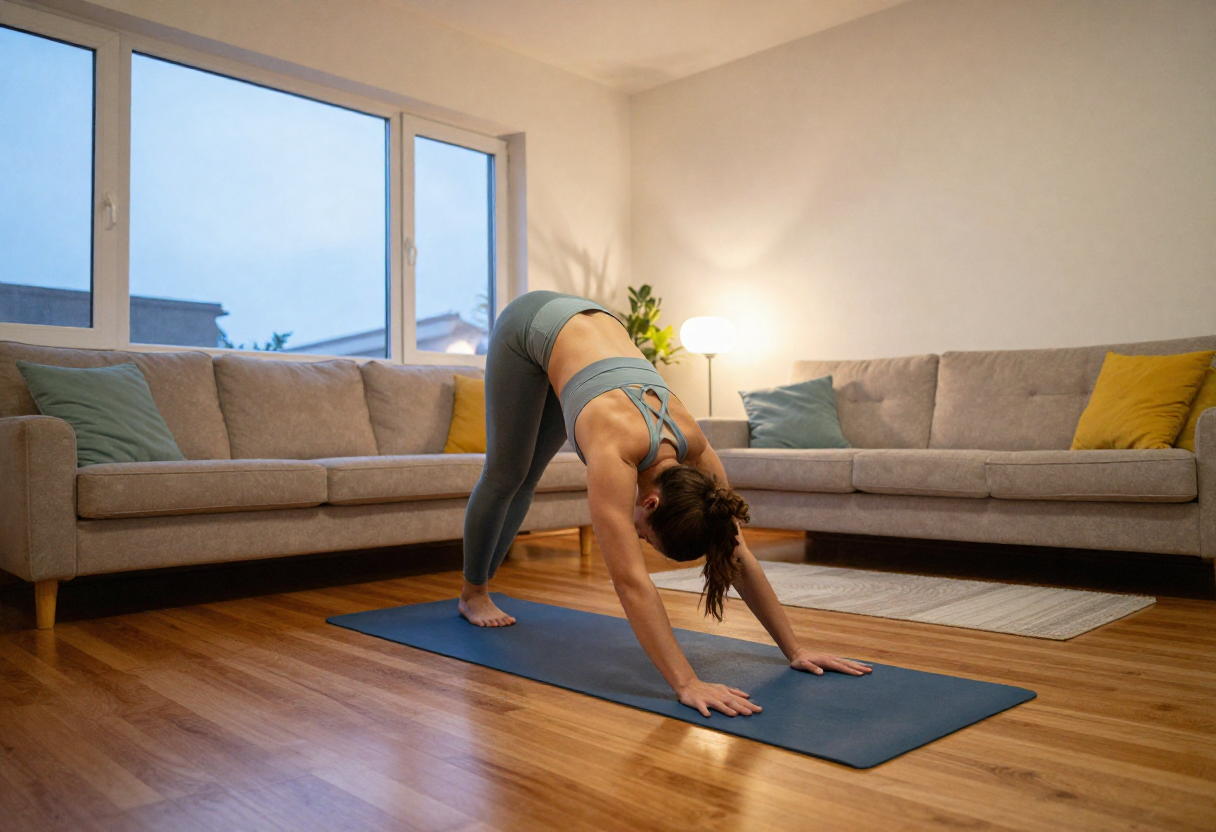
Stretching before bed can be one of the simplest ways to release tension after a long, busy day. Whether you’ve been rushing around, juggling errands, or staring at screens for too long, your body may feel tight, your shoulders tense, and your mind overstimulated. You might’ve heard people talk about stretching to relax — but does stretching before bed actually reduce stress and help you unwind?
The answer is yes — and understanding why can change how you approach your evening routine.
Stretching isn’t just for workouts or athletes. Gentle stretching before bed helps signal your nervous system to slow down, eases muscle tension built up during the day, and creates a smooth transition from daytime stress into restful sleep.
If you’ve ever noticed your body feeling looser and your thoughts quieter after a few stretches, you’re already experiencing the physical and neurological effects that research has been highlighting for years.
What Happens to Your Body When You’re Stressed
To understand why stretching before bed helps, it helps to know what stress actually does to your body. When you experience stress — whether from physical exertion, a tight schedule, or even emotional tension — your nervous system goes into a state often called “fight or flight.” This response elevates your heart rate, increases cortisol (the stress hormone), and tightens muscles throughout the body as your system prepares for action.
This response was helpful in ancient times when threats were physical. Today’s stressors — emails, traffic, deadlines, social obligations — don’t require physical action, yet the body still reacts as if they do. Coupled with holiday rushing or a full day of activity, this can leave your muscles tense and your mind on high alert even well past dinner.
How Stretching Signals “Rest and Relaxation” to Your Nervous System
Stretching triggers what health experts call the parasympathetic nervous system, also known as the “rest and digest” mode. When you stretch slowly and mindfully, several things happen together:
Your muscles lengthen and release built‑up tension, especially around common stress points like the neck, shoulders, lower back, and hips. Tight muscles send signals to the brain indicating discomfort and tension, which can keep your nervous system alert. When those muscles ease, the nervous system receives “all clear” feedback.
Stretching increases blood flow to muscles and joints. Better circulation helps reduce the sensation of tightness and can calm the body’s stress response.
Deep, intentional stretching often involves breath awareness — even if you’re not consciously meditating. This slow, rhythmic breathing further activates the parasympathetic response and lowers cortisol levels.
You create a mind‑body connection. When you take time to focus on gentle movement, you’re giving yourself space to transition from activity to rest, which helps your mental state relax as well.
Research supports the idea that stretching — especially when slow, controlled, and paired with mindful breathing — can reduce cortisol and improve mood before sleep. One analysis in health literature indicates that muscle relaxation techniques, including stretching, have beneficial effects on stress perception and overall emotional well‑being (both physical and psychological stress responses).
Easy Evening Stretches That Calm Stress (No Fitness Level Required)
You don’t need anything fancy or a long routine. Just a few gentle movements before bed can make a noticeable difference. Here are some stretches you can try tonight:
Shoulder Rolls
Sit or stand comfortably. Lift your shoulders toward your ears, then roll them back and down. Repeat slowly 8–10 times. This helps release tension stored in the upper back and neck.
Neck Tilts
Gently tilt your head to one side, bringing your ear toward your shoulder until you feel a light stretch. Hold for 20–30 seconds and switch sides. Keep your shoulders relaxed and down.
Cat‑Cow Stretch
On all fours, inhale as you arch your back (cow), opening your chest, then exhale as you round your back (cat), tucking your chin. Repeat slowly 8–10 times.
Seated Forward Fold
Sit on the floor or a chair, extend your legs gently in front of you if on the floor, and reach forward toward your toes or shins — only as far as comfortable. Hold 20–30 seconds. This helps relax the lower back and hips.
Legs Up the Wall
Lie on your back and scoot your hips close to a wall, then extend your legs up. This calming inversion encourages circulation and helps relieve tired legs after a busy day.
Each stretch can be done quietly, without rushing, and you can pay attention to your breath while you do it. The goal isn’t to push or strain — it’s to let your body know “it’s okay to relax now.”
Why Stretching Feels Better Than You Think
Stretching doesn’t work like caffeine. It doesn’t give you a jolt. Instead, it works subtly by lowering muscle tension and engaging your calming nervous system pathways. That’s why it feels like a slow exhale after a long day — not an instant fix, but a noticeable shift toward ease and readiness for rest.
People often notice that after just a few minutes of stretching, their posture loosens, their breath slows, and their mind feels a little clearer. These shifts are not just subjective — they reflect real changes in muscle tension, breathing patterns, and nervous system regulation.
When combined with other soothing evening habits — warm herbal tea, dimmed lights, or a short walk — stretching becomes part of a ritual that your body learns to associate with rest.
How Quickly You Might Notice the Difference
Some people feel relief after just one session, especially if stress is mild to moderate. Others notice the real difference over a few evenings of consistent stretching. Either way, the benefit is cumulative: the more you cue your body that evenings are for rest, the more your nervous system adopts that rhythm.
This is especially helpful after busy days when stress is elevated. The transition from “day mode” to “night mode” becomes easier, and you may find it simpler to fall asleep faster, stay asleep longer, and wake up feeling more refreshed — all signals that your body and immune system got the downtime they needed.
How Stretching Fits Into a Healthy Evening Routine
Stretching before bed doesn’t have to be long or intense. It’s most effective as part of a calm evening flow — for example:
Dim the lights in your living space
Put on soft music or a quiet podcast
Start with 2–5 minutes of slow breathing
Do your gentle stretching sequence
Finish with a warm, calming drink like chamomile tea
Lie down in bed with relaxed muscles and a light mind
Even short routines can reduce stress hormones and support your body’s natural rest mechanisms. This helps digestion, emotional balance, and sleep quality — all parts of a healthy lifestyle.
The Takeaway
Stretching before bed is a simple, low-effort way to release tension, calm the nervous system, and reduce stress after a busy day. Gentle stretching helps signal to your body that it’s time to slow down, making it easier to unwind mentally and physically before sleep.
You don’t need a long routine or advanced poses — even a few minutes of mindful stretching can support relaxation and better sleep quality. Research from the National Sleep Foundation shows that relaxing activities before bed, including gentle stretching, can help improve sleep by reducing stress and physical tension:
