
It’s evening, dinner is done, and instead of feeling relaxed, you feel uncomfortably full. Your stomach feels tight, your energy dips, and all you want to do is sink into the couch and not move. This feeling is incredibly common, especially after a bigger or richer meal, but there are a few simple things you can do to help your body digest more comfortably and avoid that heavy, sluggish feeling that can linger for hours.
The key thing to remember is that digestion takes time. After a large meal, your body redirects blood flow to your digestive system, which can naturally make you feel sleepy or slow. That doesn’t mean you’ve done anything wrong — it just means your body is working. Supporting that process gently, rather than fighting it, can make a noticeable difference.
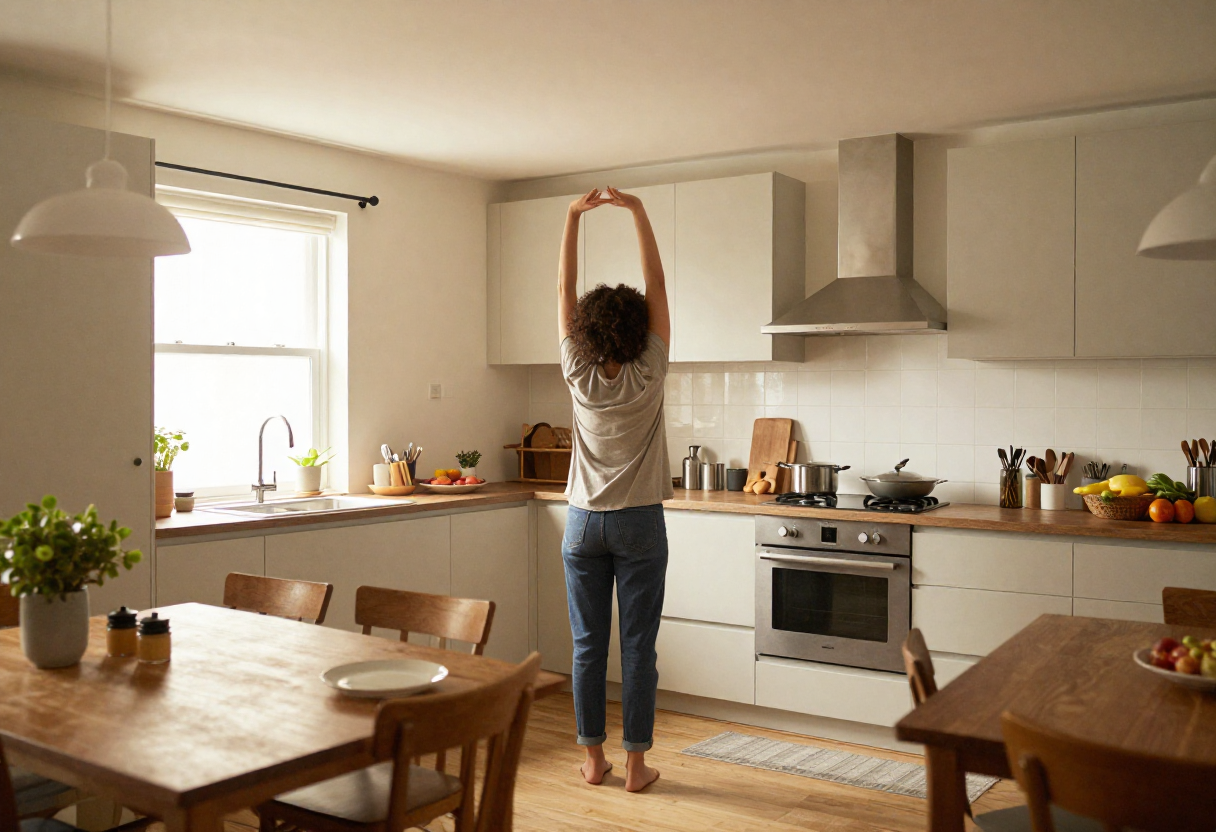
One of the simplest things you can do after dinner is light movement. This doesn’t mean exercising or burning calories. A slow, relaxed walk around the block, a few minutes of pacing around the house, or even standing and gently stretching can help stimulate digestion. Light movement encourages food to move through the digestive tract more efficiently, which can reduce bloating and discomfort. This is why many cultures naturally include a short walk after the evening meal — it helps the body settle.
Another small habit that can help is warmth. A warm drink like herbal tea or warm water can soothe the digestive system after a heavy meal. Teas such as peppermint, ginger, or chamomile are commonly used to ease bloating and help the stomach relax. Warm liquids can also signal your body to slow down and shift into a calmer evening state, which supports digestion rather than disrupting it.
How you sit or lie down after eating also matters more than people realise. Lying flat immediately after a big dinner can make you feel more uncomfortable and may increase reflux or that heavy, stuck feeling. Staying upright for a while — whether that’s sitting comfortably or moving gently — gives your body time to process the meal. If you do sit down, relaxing your posture and avoiding tight clothing around the waist can help your stomach feel less restricted.
If you find that big dinners regularly leave you feeling sluggish, it can be helpful to look at how quickly you eat. Eating slowly, chewing well, and pausing during meals gives your body time to recognise fullness and begin digestion properly. This doesn’t mean you need to restrict what you eat, just that slowing down can reduce that overly full sensation later in the evening.
Hydration plays a role too, but it’s best to sip rather than gulp after a heavy meal. Small amounts of water or herbal tea can support digestion, while large amounts of liquid all at once may leave you feeling even more bloated. Listening to your body here is key.
There’s also a strong connection between stress and digestion. If you finish dinner and immediately scroll, answer emails, or mentally rush into the next task, your body stays in a stressed state, which can slow digestion. Creating a short wind-down routine after dinner — dimmer lights, calm music, or simply sitting quietly for a few minutes — can help shift your nervous system into a more relaxed mode that supports digestion.
This evening window is also a good time to think about how digestion affects sleep. Feeling overly full or uncomfortable can disrupt sleep quality, which then feeds into low energy the next day. Supporting digestion in the evening can help you wake up feeling more refreshed. If this is something you struggle with, this article may help – how to beat the 3 pm slump, since sleep quality and digestion both play a role in daily energy levels.
If bloating or heaviness after meals is something you experience often, it may also be worth exploring gentle, long-term habits that support digestion overall, such as balanced meals earlier in the day or spacing meals more evenly.
The most important takeaway is that feeling heavy after a big dinner isn’t something you need to punish or “fix” aggressively. Your body isn’t failing — it’s just digesting. Gentle movement, warmth, relaxed posture, mindful eating, and a calm evening routine can all help you feel more comfortable without turning dinner into something stressful.
When you work with your body instead of against it, digestion becomes easier, evenings feel lighter, and sleep tends to improve naturally.
References
-
National Institutes of Health – Walking after meals and digestion:
https://www.ncbi.nlm.nih.gov/pmc/articles/PMC6546457/ -
Harvard Health – How digestion works and factors that affect it:
https://www.health.harvard.edu/diseases-and-conditions/digestive-system-overview
