

Have you been feeling unusually tired, bloated, or just “off” lately? These could be unhealthy liver symptoms you’re overlooking. Often, we blame stress, diet, or lack of sleep, but a silent player in your body could be affecting how you feel every day — your liver. This remarkable organ does far more than you might realize. It processes nutrients, filters toxins, stores energy, and even helps regulate your metabolism.
When the liver isn’t functioning optimally, the effects can be subtle but noticeable: persistent fatigue, digestive discomfort, bloating, and even mood changes. The good news is that there are several ways to support your liver naturally, from diet and lifestyle choices to scientifically formulated supplements. In this article, we’ll explore what your liver does, how to spot early signs of trouble, and ways to support it — including a supplement option for those who want extra help.

Why the Liver is So Important
Your liver is essentially your body’s detox center, and problems here can show up as unhealthy liver symptoms like fatigue, bloating, and brain fog. Every day, it processes everything you eat, drink, and breathe, turning it into energy, nutrients, and harmless byproducts your body can eliminate.
Some of the liver’s key roles include:
- Detoxification: Breaking down chemicals, alcohol, and environmental toxins to keep your body safe.
- Metabolism Support: Processing fats, carbohydrates, and proteins into usable energy.
- Nutrient Storage: Holding vitamins like A, D, E, K, and important minerals for when your body needs them.
- Bile Production: Supporting digestion and absorption of fats to maintain gut health.
When the liver is stressed, overloaded, or not functioning optimally, these processes can slow, leading to unhealthy liver symptoms such as fatigue, digestive issues, bloating, and mental fog.

Common Signs of a Stressed Liver
Knowing the signs early can help you take action before small issues become bigger problems. Unhealthy liver symptoms often appear subtly and can affect your energy, digestion, and overall well-being. Some common signs of liver stress or early fatty liver include:
- Bloating or digestive discomfort after meals: The liver plays a key role in producing bile, which helps digest fats. When stressed, digestion can slow, causing gas and bloating.
- Persistent fatigue that doesn’t improve with sleep: Low energy can be a signal that your liver isn’t efficiently processing nutrients and toxins.
- Difficulty managing weight, even with healthy habits: A sluggish liver can affect metabolism and fat processing, making it harder to lose or maintain weight.
- Brain fog or trouble concentrating: When the liver is overloaded, toxins can build up, potentially affecting mental clarity.
- Skin issues, like dullness, breakouts, or yellowing: The liver helps remove toxins; when it struggles, your skin may reflect internal stress.
- Mood fluctuations: Imbalanced liver function can influence hormone regulation, which may impact mood and emotional well-being.
These signs can overlap with other conditions, so it’s important to look at your overall health. Paying attention to your body and adopting liver-supportive habits — like proper nutrition, hydration, and movement — can make a real difference over time.

Understanding Fatty Liver
Fatty liver occurs when fat builds up in your liver cells, and it’s becoming increasingly common worldwide. In the early stages, it often shows no noticeable symptoms, which is why paying attention to subtle signs — like bloating, fatigue, or brain fog — is so important. Over time, if left unmanaged, fatty liver can impair liver function and overall health.
Key risk factors for fatty liver include:
- Diets high in sugar, refined carbs, or processed foods: Excess calories can be stored as fat in the liver.
- Excess alcohol consumption: Alcohol is a major contributor to liver fat accumulation.
- Sedentary lifestyle or obesity: Lack of physical activity slows metabolism and can increase liver fat.
- Certain medications or medical conditions: Some prescriptions or metabolic conditions may affect liver function.
The good news? Lifestyle adjustments — including balanced nutrition, regular movement, and limiting alcohol — can significantly improve liver health, even for those with early-stage fatty liver. Paying attention to these habits now can prevent more serious liver issues in the future.
How to Support Your Liver Naturally
Supporting your liver doesn’t need to be complicated. Simple, consistent habits make a big difference:
- Eat Liver-Friendly Foods: Cruciferous vegetables (like broccoli and kale), garlic, leafy greens, and healthy fats (avocado, olive oil) support liver detoxification and function.
- Stay Hydrated: Adequate water intake helps flush toxins and supports digestion.
- Exercise Regularly: Physical activity enhances metabolism and promotes liver health.
- Limit Alcohol and Sugary Foods: Reducing these decreases liver stress.
- Prioritize Sleep: Your liver repairs and regenerates most effectively during deep sleep.
Supplements as Optional Support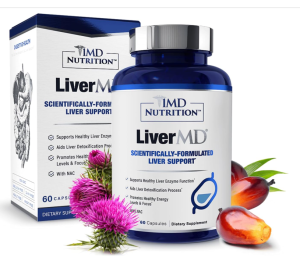
While lifestyle changes are foundational, some people benefit from targeted supplements. 1MD LiverMD is a supplement designed to support liver function. It contains bioavailable ingredients that may help your liver work efficiently, particularly when paired with a liver-supportive lifestyle.
Supplements like this are not a replacement for healthy habits but can be a useful addition, especially if you are looking for extra support while improving your diet, exercise, and sleep routines.
Daily Habits for Maximum Liver Support
- Take supplements consistently with meals for best absorption.
- Pair with a diet rich in vegetables, fiber, and lean protein.
- Limit processed foods and sugary beverages.
- Incorporate light-to-moderate exercise daily.
- Ensure 7–9 hours of quality sleep to allow natural liver repair.
Your liver works tirelessly to keep your body running smoothly, and supporting it can improve energy, digestion, and overall well-being. By focusing on nourishing foods, hydration, exercise, and sleep, and optionally including a clinically formulated supplement like 1MD LiverMD, you can actively support your liver health, reduce bloating, and feel more energized.
Insights
Although early liver conditions like fatty liver can be subtle, medical experts note that persistent unhealthy liver symptoms such as fatigue, bloating, and digestive discomfort may be early indicators of liver stress or dysfunction. According to Mayo Clinic, fatty liver disease often has few noticeable symptoms initially, but when present, it can include tiredness and discomfort in the upper right abdomen, and in more advanced stages, may lead to inflammation and scarring if left unmanaged. Clinical guidance from the Liver Foundation also confirms that fatty liver is increasingly common and can be influenced by factors like obesity, high blood sugar, and poor diet, and that lifestyle changes, including a healthy diet and regular physical activity, are central to supporting liver health.
