

Waking up after a night of drinking can leave you feeling exhausted, dehydrated, and generally unwell. Hangovers aren’t just uncomfortable; they can affect mood, focus, and productivity for the entire day. Understanding why hangovers occur and what strategies can prevent or reduce them can make a significant difference.
Hangovers result from a combination of dehydration, inflammation, toxin buildup, and changes in blood sugar caused by alcohol. While there’s no instant cure, science-backed strategies can help minimize their severity and duration.
Why You Feel Nauseous, Tired, and Headachy
Alcohol is primarily processed by the liver, where it is converted into acetaldehyde, a toxic compound responsible for many hangover symptoms. At the same time, alcohol increases urination, leading to dehydration, which contributes to headaches and fatigue. Blood sugar fluctuations caused by drinking can also worsen feelings of dizziness and irritability.
Alcohol also disrupts sleep quality. Even if you sleep enough hours, the restorative stages of sleep are affected, leaving you groggy the next morning. Understanding these mechanisms helps you target solutions more effectively.
Proven Ways to Reduce Hangovers Naturally
There are several strategies that can help both before and after drinking.
Hydration is Key
Drinking water before, during, and after alcohol consumption helps counter dehydration. Including electrolyte-rich beverages can further support fluid balance and reduce cramping or fatigue.
Food Matters
Eating nutrient-dense meals before drinking slows alcohol absorption and provides essential vitamins and minerals. Balanced meals with protein, healthy fats, and complex carbohydrates are ideal. The morning after, lighter foods like fruits, eggs, or whole grains can help stabilize blood sugar and aid recovery.
Gentle Movement
While rest is important, light activity like a short walk or gentle stretching increases circulation and supports metabolism. Avoid intense exercise, which may exacerbate dehydration.
Sleep and Recovery
Prioritize quality sleep, as alcohol can disrupt deep sleep stages. Short naps or additional rest can help your body recover more effectively.
Understanding Prevention vs Recovery
Preventing a hangover focuses on actions taken before or during drinking, such as eating, hydrating, and pacing your drinks. Recovery strategies involve mitigating symptoms after drinking through hydration, nutrition, and rest. Combining both approaches significantly reduces hangover severity.
Do Supplements Actually Help?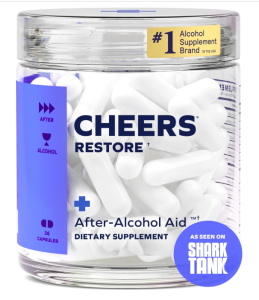
Some people wonder if certain supplements can make hangovers easier to manage. One ingredient that has been studied is dihydromyricetin (DHM), a plant-derived compound found in the Japanese raisin tree. Research suggests DHM may help the body process alcohol more efficiently by supporting liver enzymes and reducing the toxic effects of acetaldehyde, which contributes heavily to hangover symptoms.
DHM doesn’t prevent intoxication, but it may help your liver metabolize alcohol more effectively, which can reduce nausea, fatigue, and headaches the next morning.
There are also many positive user reviews suggesting that DHM can make hangovers more manageable when combined with standard strategies like hydration, eating well, and getting enough rest. A popular option is Cheers Restore, which contains DHM along with other supportive ingredients designed to help your body respond to alcohol. Using it responsibly alongside these healthy habits may help some people feel more comfortable the next day. This is not a substitute for moderation, but it can be part of an overall approach to minimizing hangover effects.
Morning-After Tips for Faster Recovery
Even with preventive measures, some hangover symptoms may appear. Here’s how to address them effectively:
- Hydrate Immediately: Water, coconut water, or electrolyte drinks replenish lost fluids.
- Eat a Balanced Breakfast: Foods rich in vitamins, protein, and complex carbohydrates stabilize blood sugar and support liver function.
- Gentle Movement: A short walk or light stretching can improve circulation and oxygen delivery.
- Pain Relief if Needed: Over-the-counter pain relievers can help with headaches, but use responsibly and follow instructions.
- Optional Supplements: If using a DHM-containing supplement like Cheers Restore, follow recommended usage instructions to support recovery.
Lifestyle Habits to Reduce Future Hangovers
- Pace your drinking and alternate alcoholic drinks with water.
- Avoid mixing alcohol types, which can worsen symptoms.
- Eat before and during drinking to slow alcohol absorption.
- Ensure adequate sleep afterward.
- Consider DHM-containing supplements responsibly, as part of a broader hangover management strategy.
Hangovers are an unpleasant consequence of alcohol consumption. Understanding the biology behind them, using science-backed prevention and recovery strategies, and optionally incorporating supportive supplements like Cheers Restore can help reduce severity and improve recovery. Combining hydration, nutrition, rest, and optional supplementation allows you to feel better sooner and maintain energy, focus, and well-being the day after drinking.
References
-
National Library of Medicine – Alcohol and hangover effects:
-
National Institutes of Health – Dihydromyricetin and alcohol metabolism:
