

What is Creatine? Creatine is one of the most researched supplements in fitness, yet many people still wonder how it works and whether they actually need it. Understanding how creatine affects your muscles, energy, and performance can help you decide if it’s the right addition to your routine — and separate fact from myth.
What Creatine Does in Your Body
Creatine is a naturally occurring compound found in your muscles and brain. Its primary role is to help produce ATP (adenosine triphosphate), which is the energy your cells use for quick bursts of activity. The more readily available ATP you have, the longer and more intensely you can perform short-duration, high-intensity activities like weightlifting, sprinting, or jumping.
When you supplement with creatine, your muscles store more phosphocreatine, which can then be converted into ATP during exercise. This translates into increased energy for your muscles, potentially improving strength, endurance, and overall performance.
Forms of Creatine
Creatine comes in several forms, with creatine monohydrate being the most studied and widely used. Other forms include creatine HCL, creatine ethyl ester, and buffered creatine, but research consistently shows that creatine monohydrate is both effective and safe.

Who Might Benefit From Creatine
- Athletes and weightlifters: Those who perform repeated short bursts of high-intensity activity often notice improvements in strength and performance.
- Older adults: Some studies suggest creatine may help maintain muscle mass and support functional strength as we age.
- Vegetarians and vegans: Since creatine is mostly found in meat and fish, those on plant-based diets might benefit more from supplementation.
If you’re looking for a convenient way to supplement, Momentous Creatine is a trusted option that has shown consistent results in research-backed studies.
How to Take Creatine
Most people follow a simple dosing protocol:
- Loading phase (optional): 20 grams per day divided into 4 doses for 5–7 days.
- Maintenance phase: 3–5 grams daily.
Creatine can be taken any time of the day, though many prefer to pair it with a post-workout shake or a meal containing carbohydrates for improved absorption. It’s important to stay hydrated, as creatine draws water into your muscles.
Myths and Facts About Creatine
Myth: Creatine causes kidney damage.
Fact: Research shows that creatine is safe for healthy individuals when taken in recommended doses. Those with pre-existing kidney conditions should consult a doctor before use.
Myth: Creatine leads to excessive bloating.
Fact: Some water retention in muscles can occur, but this is usually mild and temporary. Proper hydration can minimize bloating.
Myth: Only bodybuilders benefit from creatine.
Fact: Creatine benefits anyone performing high-intensity, short-duration exercises and may even support cognitive function in certain populations.
Should You Take Creatine?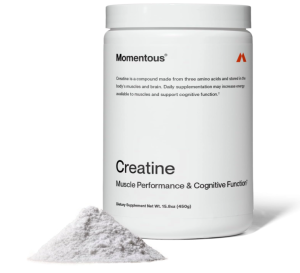
Creatine isn’t a must-have for everyone, but it can be a valuable tool if your goals include improving strength, increasing power output, or maintaining muscle mass. If your diet already contains adequate amounts from meat and fish, supplementation may be less critical. However, for plant-based eaters or those wanting an extra edge in performance, creatine can make a noticeable difference.
Momentous Creatine is a reliable option for those looking to try it.
FAQ: Creatine
Q: What is creatine used for?
Creatine helps your muscles produce energy during short bursts of high-intensity activity, like weightlifting or sprinting. It can improve strength, power, and exercise performance.
Q: Do I really need creatine?
Not everyone needs it. People who eat meat or fish regularly get some creatine from their diet. Supplementing can benefit athletes, older adults, or anyone looking to improve strength and high-intensity performance.
Q: Is creatine safe?
Yes. Research shows creatine is generally safe for healthy adults when taken at recommended doses. Drinking plenty of water and following dosing guidelines is important.
Q: Can vegetarians or vegans benefit from creatine?
Yes. Plant-based diets provide little natural creatine, so supplementation may have an even greater effect on strength and performance.
Q: How should creatine be taken?
Most people take 3–5 grams per day. Some choose to do a “loading phase” of higher doses for the first week, but it’s optional. Consistency over time matters most.
Research shows that creatine isn’t essential for everyone, but it is one of the most studied and effective supplements for boosting energy production in cells, especially during short bursts of high‑intensity activity. According to the Mayo Clinic, creatine is generally safe for healthy adults when taken in recommended doses and may support strength, performance, and even cognitive function, particularly in older adults and people with lower dietary creatine intake
