
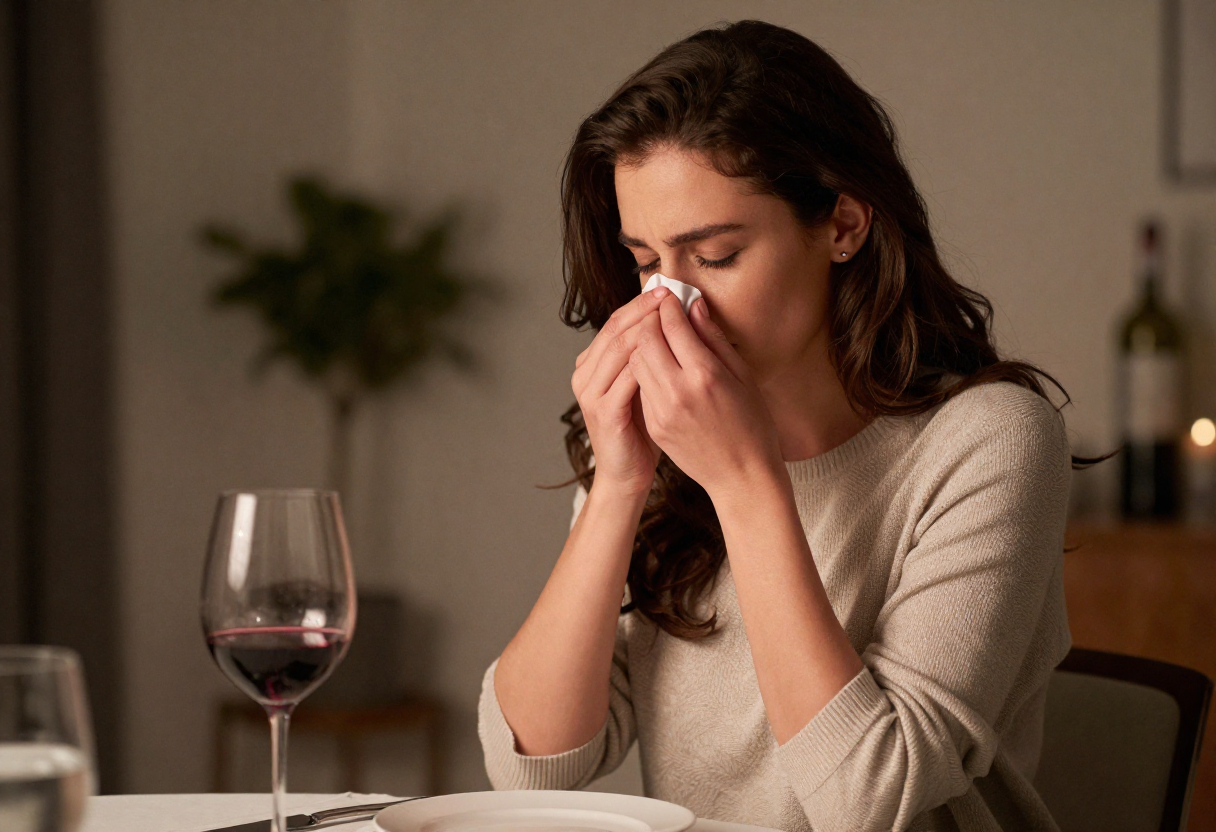
If you’ve ever enjoyed a few drinks and noticed your nose suddenly getting stuffed up or your sinuses feeling tight and uncomfortable, you’re not imagining it. Many people experience nasal congestion, sinus pressure, or a stuffy nose after drinking alcohol, and the reasons go beyond simple dehydration or a hangover. Understanding what happens in your body when you drink can help you prevent these symptoms and feel better faster.
Why Alcohol Can Cause Nasal Congestion
1. Histamines and Your Body’s Response
Alcoholic beverages — especially wine, beer, champagne, and certain spirits — naturally contain histamines, or can trigger your body to release them. Histamines are chemicals that your immune system uses to send signals during allergic reactions. They help widen blood vessels and increase blood flow, which is part of how your immune system reacts to perceived irritants.
When histamine levels rise, tiny blood vessels in your nasal passages can expand and become inflamed. This leads to swelling in the sinus tissues, which is what you feel as a stuffy or congested nose. People vary widely in how well they break down histamines — some people have plenty of the enzymes that clear histamine from the body, while others have lower activity of those enzymes. Because of this, two people can drink the same amount of alcohol and have very different nasal responses.
If histamines are a key trigger for you, using a histamine-clearing supplement may help reduce the reaction. For example, Hitsamin X supplement can provide additional support for people whose bodies struggle to process histamines efficiently.
2. Alcohol and Dehydration
Alcohol is a diuretic, meaning it makes your body lose more water than usual. When your body becomes dehydrated, the delicate tissues inside your nose and sinuses can become dry and irritated. As your body tries to compensate, this can trigger inflammation and congestion.
3. Inflammatory Effects
Drinking alcohol can trigger a mild inflammatory response throughout your body. Inflammation is part of how your immune system responds to perceived stressors, and for sensitive areas like the sinuses, this can mean redness, swelling, and blocked nasal passages.
4. Sensitivity to Other Compounds
Some drinks contain other compounds such as sulfites, yeast byproducts, or tannins, which can also trigger congestion or increased mucus production in susceptible individuals. This is why some people might notice red wine causes more stuffy reactions than clear spirits.
Practical Ways to Reduce Nasal Congestion After Drinking
You don’t need to avoid alcohol entirely to reduce post-drinking stuffiness. Here are proven strategies that many people find helpful:
Hydrate Before, During, and After Drinking
Drinking water before your first alcoholic drink, alternating with water between alcoholic drinks, and having water before bed helps maintain fluid balance and prevent the nasal tissues from drying out and swelling.
Support Histamine Breakdown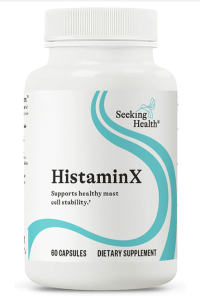
If histamine sensitivity contributes to your stuffy nose, using a supplement that helps your body break down histamine can be beneficial. Many people include a histamine support supplement as part of their post-drinking recovery routine. This may help reduce allergic-like reactions and congestion.
Use Saline Nasal Sprays or Rinse
A saline nasal spray or irrigation with a neti pot helps flush irritants and excess mucus from your nasal passages, reducing swelling and congestion. This can be especially helpful on the morning after drinking.
Choose Low-Histamine Alcoholic Options When Possible
Clear spirits like vodka or tequila often have fewer histamines and impurities than wines or dark beers. If you notice certain drinks consistently cause nasal symptoms, it’s worth experimenting with lower-histamine options.
Eat Anti-Inflammatory Foods
Foods rich in antioxidants, such as berries, leafy greens, and fatty fish, can help reduce inflammation systemically. Reducing inflammatory load can make your body more resilient and less reactive after a night of drinking.
When to Talk to a Healthcare Provider
Occasional nasal congestion after drinking is usually harmless, but if you experience severe symptoms, difficulty breathing, rashes, or other allergic-like reactions, it may indicate a true allergy or histamine intolerance. In these cases, it’s best to consult a healthcare provider.
The Takeaway
A stuffy nose after drinking alcohol is a common response that can come from a mix of histamine reactions, dehydration, inflammation, and individual sensitivity to compounds in alcoholic beverages. Knowing why it happens gives you the power to manage it. Simple steps such as staying hydrated, choosing drinks carefully, using nasal saline rinses, and supporting histamine breakdown with a Histamine Supplement can all help you enjoy social occasions without the congestion the next day.
