

The benefits of Vitamin B12 are high; it is a nutrient that many people overlook, yet it plays a vital role in your energy, brain function, and immune system. Feeling constantly tired, forgetful, or low on energy could be a sign that your B12 levels are insufficient. Most people today are actually at risk of B12 deficiency because our modern diets no longer include many of the natural sources of this essential vitamin. Historically, humans would consume B12 through foods that naturally contained it, including animal products, fermented foods, and even small amounts from unwashed vegetables that carried beneficial soil bacteria. With modern sanitation, food processing, and changes in diet, these natural sources are largely absent, making supplementation or fortified foods increasingly important for maintaining healthy B12 levels.
In this post, we’ll break down what Vitamin B12 is, why it’s important, how to get enough, and how supplementation can help—making it easy to add an affiliate product naturally.
What is Vitamin B12?
Vitamin B12, also known as cobalamin, is a water-soluble vitamin essential for several critical processes in the body. Unlike some vitamins, your body cannot produce B12 on its own, so it must come from dietary sources or supplements.
Key functions of Vitamin B12 include supporting red blood cell formation, maintaining nerve function, aiding DNA synthesis, and converting food into usable energy. Without adequate B12, these functions are compromised, which can lead to low energy, cognitive issues, and weakened immunity.
Signs You Might Be Deficient
B12 deficiency is surprisingly common, especially in older adults, vegetarians, vegans, and people with absorption issues. Common signs include fatigue or low energy, brain fog or memory issues, tingling or numbness in hands or feet, weakness or pale skin, and mood changes such as irritability or depression. If you notice several of these symptoms, it may be worth checking your B12 levels with a healthcare professional before supplementing.
How Vitamin B12 Supports Immunity
Vitamin B12 plays a key role in immune function. It supports the body’s defense system by promoting white blood cell production, providing energy for immune function, and working with folate and other B-vitamins to maintain healthy cell division, tissue repair, and overall immune resilience. In short, B12 deficiency can leave you more susceptible to illness and slow down recovery when you do get sick.
Best Food Sources of Vitamin B12
B12 is primarily found in animal-based foods, which can be a challenge for vegetarians and vegans. Top sources include meat such as beef, liver, chicken, and pork, fish and seafood like salmon, tuna, trout, clams, and sardines, dairy products including milk, yogurt, and cheese, eggs (especially the yolk), and fortified foods such as breakfast cereals, plant-based milks, and nutritional yeast. Including a variety of these foods can help maintain healthy B12 levels. For those who avoid animal products, supplementation is often necessary.
Supplementation Options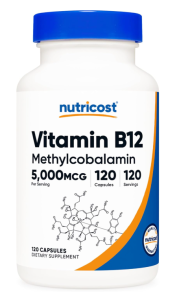
Even with a healthy diet, some people struggle to get enough B12 due to absorption issues, age, or dietary restrictions. Supplements are a safe and effective way to ensure adequate intake. Before taking additional supplements, it’s worth consulting a healthcare professional to check your levels and ensure you’re taking the right type and dose for your body.
Common forms of B12 supplements include tablets or capsules, which are convenient and widely available; sublingual drops or tablets, absorbed under the tongue for potentially faster uptake; and B12 injections, prescribed for severe deficiency and administered by a healthcare professional. A high-quality B12 supplement can be a simple way to maintain levels. For example, Nutricost B12 supplement provides an easy, daily dose to support energy, immunity, and overall health.
Since Vitamin B12 is water-soluble, the body generally excretes any excess through urine, making it very low risk for toxicity. This means that even doses higher than the recommended daily allowance are usually safe, though it’s always best to follow professional guidance, especially if you have specific health conditions. Very rarely, extremely high doses may cause minor side effects like mild gastrointestinal discomfort or skin irritation, but these are uncommon.
Recommended Daily Intake
The recommended dietary allowance (RDA) for Vitamin B12 varies slightly by age and life stage. Adults need approximately 2.4 mcg per day, pregnant women 2.6 mcg per day, and breastfeeding women 2.8 mcg per day. Since B12 is water-soluble, excess amounts are usually excreted in urine, making it safe in moderate supplemental doses. However, sticking to recommended amounts is still wise to avoid unnecessary waste or side effects.
Quick Tips to Boost B12 Naturally
In addition to supplements, there are simple strategies to naturally optimize your B12 levels. Include fortified foods in your diet, such as plant-based milks, cereals, or nutritional yeast. Pair B12-rich foods with folate-containing foods, like spinach or lentils, to enhance absorption. Maintain gut health, as healthy gut bacteria and digestive function support B12 absorption—probiotics, fiber, and fermented foods like yogurt or kefir are helpful. Avoid excessive alcohol, which can impair B12 absorption.
Potential Benefits of Maintaining Healthy B12 Levels
Keeping your B12 levels optimal can have wide-ranging benefits: increased energy and reduced fatigue, enhanced cognitive function and mental clarity, improved mood and emotional well-being, stronger immune system and better resistance to infections, and healthy nerve function with a reduced risk of neuropathy.
Who Should Pay Extra Attention to B12?
Certain groups are at higher risk for B12 deficiency and should consider monitoring levels more closely: older adults, vegetarians and vegans, people with digestive disorders such as Crohn’s disease or celiac disease, and those on certain medications like long-term proton pump inhibitors or metformin. For these individuals, supplementation is often the most reliable way to maintain healthy B12 levels.
Conclusion
The benefits of Vitamin B12 are much more than an energy booster—it’s essential for immune function, brain health, and overall vitality. With modern diets lacking many of the natural sources of B12 that our ancestors consumed, supplementation or fortified foods have become increasingly important. Whether you’re getting it from food or supplements, ensuring adequate B12 can help you feel more energized, think more clearly, and strengthen your body’s natural defenses. If you suspect low B12, check your levels and consider adding a high-quality supplement to your daily routine. Combining diet, lifestyle, and supplementation is the easiest way to support long-term health.
