

Have you ever come home after a long day and felt an instant wave of stress when you saw clutter scattered around your house? You’re not imagining it—your environment plays a powerful role in how you feel. Household clutter isn’t just an aesthetic issue; it can actively contribute to anxiety, stress, and even lower your overall mental well-being. Most people don’t realize that the mess in their living space can affect their mood, sleep, focus, and energy levels. This article dives into the connection between clutter and anxiety and gives you practical, actionable strategies to reclaim your space and calm your mind.
The Science Behind Clutter and Anxiety
Clutter impacts our mental health more than most people think. When your brain sees a chaotic environment, it struggles to focus. Your subconscious constantly registers unfinished tasks, misplaced items, and visual noise. This triggers stress responses, including elevated levels of the hormone cortisol, which is directly linked to anxiety.
Research also shows that clutter contributes to decision fatigue. Every item you see may subconsciously require a choice—do I move it, put it away, clean it? These small decisions pile up and create a constant background stress that can leave you feeling overwhelmed and mentally exhausted.
Clutter can even affect your sleep quality. Studies suggest that a disorganized bedroom may disrupt relaxation, making it harder to fall asleep or stay asleep. Over time, this contributes to fatigue, irritability, and heightened anxiety. In short, your environment is deeply connected to your mental state, and reducing clutter is not just a cosmetic change—it’s a mental health strategy.
How Clutter Impacts Daily Life
The effects of clutter go beyond what meets the eye. When your home is messy, it affects multiple areas of daily life:
Sleep disruption: A cluttered bedroom signals your brain that the day isn’t done, which can keep your mind active when it should be resting.
Reduced productivity and focus: Working or studying in a chaotic space makes it harder to concentrate, leading to frustration and procrastination.
Social anxiety: Many people avoid inviting friends or family over because they feel embarrassed about their messy environment, which can increase isolation and low mood.
Emotional toll: Constant exposure to clutter acts like a low-level stressor, keeping your body in a subtle state of tension even when you’re trying to relax.
Recognizing these effects is the first step to taking control. A cluttered home isn’t just inconvenient—it’s actively influencing your anxiety levels and overall mental well-being.
Signs Your Home is Affecting Your Anxiety
Not sure if your environment is contributing to stress? Here are some signs that clutter might be affecting your mental health:
Feeling tense, irritable, or overwhelmed when you see clutter.
Constantly thinking about cleaning, organizing, or tidying tasks.
Avoiding certain rooms or activities because they’re messy.
Difficulty focusing, relaxing, or sleeping at home.
If you recognize several of these patterns, your household clutter is likely more than just an annoyance—it’s a trigger for anxiety that can be addressed with practical steps.
Decluttering Strategies for Mental Health
Decluttering isn’t just about aesthetics; it’s about reclaiming mental clarity and calm. Here are effective strategies to help you reduce clutter and support your mental health:
Start Small: Begin with a single room, a drawer, or even a countertop. Tackling manageable areas prevents overwhelm and builds momentum. If you think the clutter is affecting your anxiety, focus on finishing one space at a time and don’t start another room until that space is completed. This approach keeps progress visible and your mind calm.
Daily 10-Minute Routine: Spend just ten minutes a day tidying a specific space. Small, consistent actions prevent clutter from piling up again.
Donate or Let Go: Ask yourself if an item serves a purpose or brings joy. If not, consider donating, recycling, or discarding it. Reducing unnecessary possessions reduces decision fatigue.
Organize Visually: Use clear bins, baskets, or open shelving to make storage intuitive. Visual organization reduces stress because everything has a designated place.
Digital Declutter: Emails, apps, and digital files also contribute to cognitive load. Set aside time to clean your digital space—it’s a modern extension of your environment.
By implementing these strategies, your home can become a sanctuary rather than a source of stress. The process itself can also be therapeutic, giving you a sense of control and accomplishment.
Lifestyle Habits to Support a Calm Home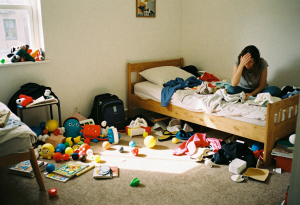
Beyond decluttering, lifestyle habits can reinforce a peaceful environment and reduce anxiety:
Mindful Cleaning: Approach tidying as a meditative activity. Focus on the task at hand, breathe deeply, and observe the transformation as you work.
Morning Routines: Make your bed and tidy surfaces each morning. Starting the day in a clean space sets a calm tone.
Incorporate Natural Elements: Houseplants, fresh air, and natural light can boost mood, reduce stress, and make spaces feel more inviting.
Habit Stacking: Pair decluttering with enjoyable activities like listening to music, audiobooks, or guided meditation to make the process rewarding rather than tedious.
These habits turn decluttering from a chore into a mindful practice that benefits both your mental state and physical environment.
When to Seek Professional Help
While decluttering and lifestyle adjustments help many people, persistent anxiety may require professional support. Consider seeking guidance if:
Your anxiety continues despite creating a more organized home.
You feel overwhelmed by obsessive thoughts about cleaning or organizing, which could indicate underlying OCD tendencies.
Anxiety is affecting your daily functioning, relationships, or work performance.
A therapist or counselor can work with you to address the root causes of anxiety and create strategies tailored to your needs. Combining professional help with environmental improvements often delivers the most effective results.
Conclusion
Household clutter is more than just a visual distraction—it can actively contribute to anxiety, stress, and lower mental well-being. By understanding the connection between your environment and your mind, you can take actionable steps to reclaim calm and focus. Start small, implement daily routines, declutter mindfully, and incorporate supportive lifestyle habits. Even minor changes can have a dramatic impact on your stress levels and overall mood.
Your home should be a sanctuary, not a source of tension. By reducing clutter and organizing your space thoughtfully, you can create a healthier, calmer environment that supports both your mental and physical well-being. Start today and notice how even small adjustments can improve your mood, focus, and quality of life.
References
-
Nuvance Health. How Clutter Affects Your Brain Health.
-
Verywell Mind. How Mental Health and Cleaning Are Connected.
