

Vitamin D is often called the “sunshine vitamin,” but it’s more than just sunlight. It’s a fat-soluble vitamin essential for strong bones, healthy muscles, and overall wellness. Despite its importance, deficiency is common worldwide.
Vitamin D plays a crucial role in many body functions, including immune regulation, hormone balance, and cellular growth. A lack of vitamin D can affect bone strength, joint comfort, and even mood and energy levels.
Vitamin D isn’t just for bones — it supports immunity, muscle function, and overall health. Regular intake and safe sun exposure can prevent long-term health issues.
What Is Vitamin D?
Vitamin D is a fat-soluble vitamin your body can produce naturally when your skin is exposed to sunlight. It’s also present in certain foods and supplements.
There are two main forms of vitamin D:
- Vitamin D2 (ergocalciferol): Found in plant-based foods like mushrooms and fortified products.
- Vitamin D3 (cholecalciferol): Produced by your skin when exposed to sunlight and found in animal-based foods like fatty fish and egg yolks.
Once absorbed or produced, it is converted in the liver and kidneys into calcitriol, the active form the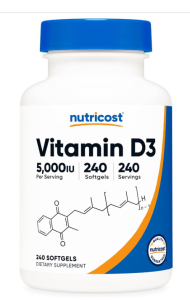 body can use. This active vitamin D helps regulate calcium and phosphorus in the blood, supporting bone mineralization, muscle function, and overall cellular health.
Tip: Vitamin D3 is generally more effective at raising blood vitamin D levels than D2.
Why Do We Need Vitamin D?
1. Bone and Teeth Health
Vitamin D helps the body absorb calcium efficiently, which is essential for strong bones and teeth. Without it, bones can become thin, brittle, or misshapen. This increases the risk of osteoporosis, fractures, and dental issues.
2. Muscle Function
Adequate vitamin D helps maintain muscle strength and coordination, reducing the risk of falls and injuries — particularly in older adults. Deficiency can cause muscle weakness and slower reflexes.
3. Immune System Support
Vitamin D helps regulate immune responses, reducing the risk of infections. Research suggests it may also modulate inflammation, which can support joint comfort and overall health.
4. Mood and Energy
Low vitamin D levels have been linked to fatigue, low energy, and mood changes. Maintaining sufficient vitamin D may support mental well-being.
Tip: Many people are deficient without realizing it — especially those who spend most of their time indoors, live in northern latitudes, or have darker skin.
How Do We Get Vitamin D?
Sunlight Exposure
- Skin produces vitamin D when exposed to UVB rays.
- About 10–20 minutes of midday sun a few times a week is often sufficient for fair-skinned adults; darker skin may require longer exposure.
- Sunscreen and clothing reduce production, so balance sun safety with vitamin D needs.
Food Sources
- Fatty fish: salmon, mackerel, sardines
- Egg yolks and liver
- Fortified foods: milk, plant-based milks, breakfast cereals
Supplements
- It can help if you are deficient or unable to get enough sun or food sources.
- Vitamin D3 supplements are most effective; All suppliment doses should be guided by a doctor or blood test.
Vitamin D is fat-soluble, so taking it with a meal containing healthy fats improves absorption.
Signs of Vitamin D Deficiency
- Bone or back pain
- Muscle weakness or cramps
- Fatigue or low energy
- Increased risk of infections
- Mood changes, including low mood or irritability
A simple blood test can check your vitamin D levels. If you’re deficient, your doctor can recommend safe supplementation.
Recommended Daily Intake
- Adults: 600–800 IU/day (higher for older adults)
- Children & teens: 600 IU/day
- Safe upper limit: ~4,000 IU/day for adults (unless prescribed by a doctor)
Daily sunlight exposure plus calcium-rich foods can often provide sufficient vitamin D naturally. Supplements are helpful if sunlight and diet are insufficient.
Vitamin D and Bone/Joint Health
Vitamin D works closely with calcium and magnesium to maintain bone density. Adequate vitamin D reduces the risk of osteoporosis and fractures and supports joint flexibility and cartilage health. Combining vitamin D intake with bone-friendly foods (like leafy greens, dairy, and fatty fish) creates a strong foundation for long-term musculoskeletal health.
Tip: Pair vitamin D-rich foods with calcium and anti-inflammatory nutrients to maximize bone and joint support.
Safety and Overdose
- Vitamin D is fat-soluble, so excessive supplementation can be harmful.
- An overdose can cause nausea, weakness, kidney problems, or calcium buildup.
- Always consult your doctor before taking high-dose supplements.
Final Thoughts
Vitamin D is essential for strong bones, healthy muscles, and overall wellness. Ensuring adequate intake from sunlight, diet, and supplements if needed can prevent deficiency and support your body’s long-term health. Regular check-ups and mindful dietary choices keep bones strong, joints flexible, and energy levels stable.
