

Cheese and weight loss can feel like an impossible combination — creamy, flavorful cheeses are delicious, but even small portions can contain hidden calories and salt that slow your progress. If you’re trying to shed pounds, being unaware of how much cheese you’re actually eating could make all the difference.
In this post, we’ll break down the hidden calories and sodium in popular cheeses, explore recommended portion sizes, and show you how to enjoy cheese without derailing your weight loss goals.
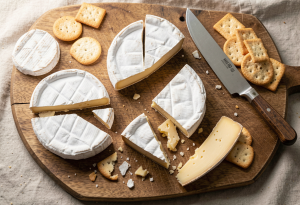
Why Cheese Is So Easy to Overeat
Cheese is high in calories even in small portions, which makes it easy to consume more than a standard serving without realizing it. Its combination of fat and protein allows you to eat multiple servings while barely noticing the extra calories.
Another factor is portion perception. A serving that seems small on the plate can actually be double or triple the recommended amount, especially when used in recipes, sandwiches, or snacks. Over time, these hidden calories can quietly add up and slow your weight loss progress.
Salt content in cheese can also encourage extra consumption. Salt enhances flavor and can increase appetite, which is why cheese often disappears faster than expected.

Portion Sizes, Calories & Salt in Cheese
Cheese can be delicious, but it’s also easy to underestimate just how much you’re eating. Even a small serving contains a surprising number of calories and a significant amount of sodium. Over time, eating above standard portions — even slightly — can quietly affect your weight loss progress and contribute to bloating from salt.
To make it easier to manage your intake, we’ve created a table showing popular cheeses, their calories and sodium per portion. This gives you a clear, quick reference so you can enjoy cheese without overdoing it.
| Cheese Type | Typical Portion | Calories | Sodium |
|---|---|---|---|
| Cheddar | 30 g = 1 oz | 120 | 200 mg |
| Brie | 30 g = 1 oz | 95 | 180 mg |
| Feta | 30 g = 1 oz | 80 | 320 mg |
| Halloumi | 30 g = 1 oz | 110 | 250 mg |
| Cream Cheese | 30 g = 1 oz | 90 | 100 mg |
Note: Dailty Intakes
- Calories: ~2,000 kcal/day for the average adult
- Sodium: ≤2,300 mg/day (WHO guideline)
- Portion sizes are small, but multiple servings can add up quickly
How to Eat Cheese Without Stalling Fat Loss
Enjoying cheese while staying on track with your weight loss goals is all about portion awareness and smart pairing. Here are some practical tips:
- Measure your servings – Use a kitchen scale or measuring cups to keep portions in check.
- Pair with fiber-rich foods – Vegetables, whole-grain crackers, or fruit help you feel full with fewer calories.
- Stronger cheeses go further – A small slice of sharp cheddar or brie can be more satisfying than a larger portion of mild cheese.
- Keep cheese as an accent – Use it to flavor your dishes, not as the main component.
Real-Life Serving Examples
| Cheese | Typical Serving Example | Portion Size | Approx. Calories |
|---|---|---|---|
| Brie | On a single cracker | 15 g | ~45 kcal |
| Cheddar | Cubes in a snack plate | 20 g | ~80 kcal |
| Feta | Crumbled over salad | 25 g | ~65 kcal |
| Halloumi | Grilled slice | 30 g | ~110 kcal |
| Cream Cheese | Spread on a bagel half | 20 g | ~60 kcal |
Tip: Keeping servings small — about 1–2 bites per cracker or salad topping — helps you enjoy the flavor without consuming extra calories.
Can Cheese Fit Into Weight Loss?
You might be wondering, “If cheese is high in calories and sodium, can it still fit into a weight loss plan?” The answer is yes — but it requires awareness and moderation. Understanding how to enjoy cheese without overdoing it is key to successfully incorporating it into your diet.
Cheese can actually be a helpful part of weight loss when consumed strategically. Its protein content can help maintain muscle mass, and the flavor of stronger cheeses means a little can go a long way. By being mindful of portions, you can satisfy cravings without adding unnecessary calories.
Here are some tips for enjoying cheese while working on weight loss goals:
- Measure once, eyeball later – Start by weighing or measuring your serving to understand what 30 g (1 oz) looks like.
- Pair with vegetables or high-fiber foods – This helps you feel fuller with fewer calories.
- Choose stronger, more flavorful cheeses – You need less to satisfy your taste buds.
- Limit cheese as a snack or addition, not the main component – Keep cheese as a finisher or flavor accent, rather than the focus of your meal.
By understanding the role of cheese in your diet, you can enjoy cheese and weight loss simultaneously without sacrificing your goals.
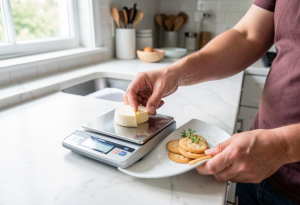
Takeaway: Enjoy Cheese Without Stalling Weight Loss
Cheese doesn’t have to be off-limits if you’re working on your weight loss goals. By understanding calories, portion sizes, and salt content, you can enjoy your favorite cheeses without overdoing it.
Key points to remember:
- Cheese is high in calories and sodium, even in small servings.
- Use the table of common cheeses to guide your portions.
- Pair cheese with fiber-rich foods and measure servings when possible.
- Choose stronger, flavorful cheeses — a little goes a long way.
- Small, mindful portions can let you enjoy cheese and weight loss together.
With these strategies, cheese can remain a delicious part of your diet without sabotaging your efforts — just enjoy it with awareness and balance.
References –
- Harvard T.H. Chan School of Public Health – The Nutrition Source: Cheese
- World Health Organization – Sodium Intake for Adults and Children
