
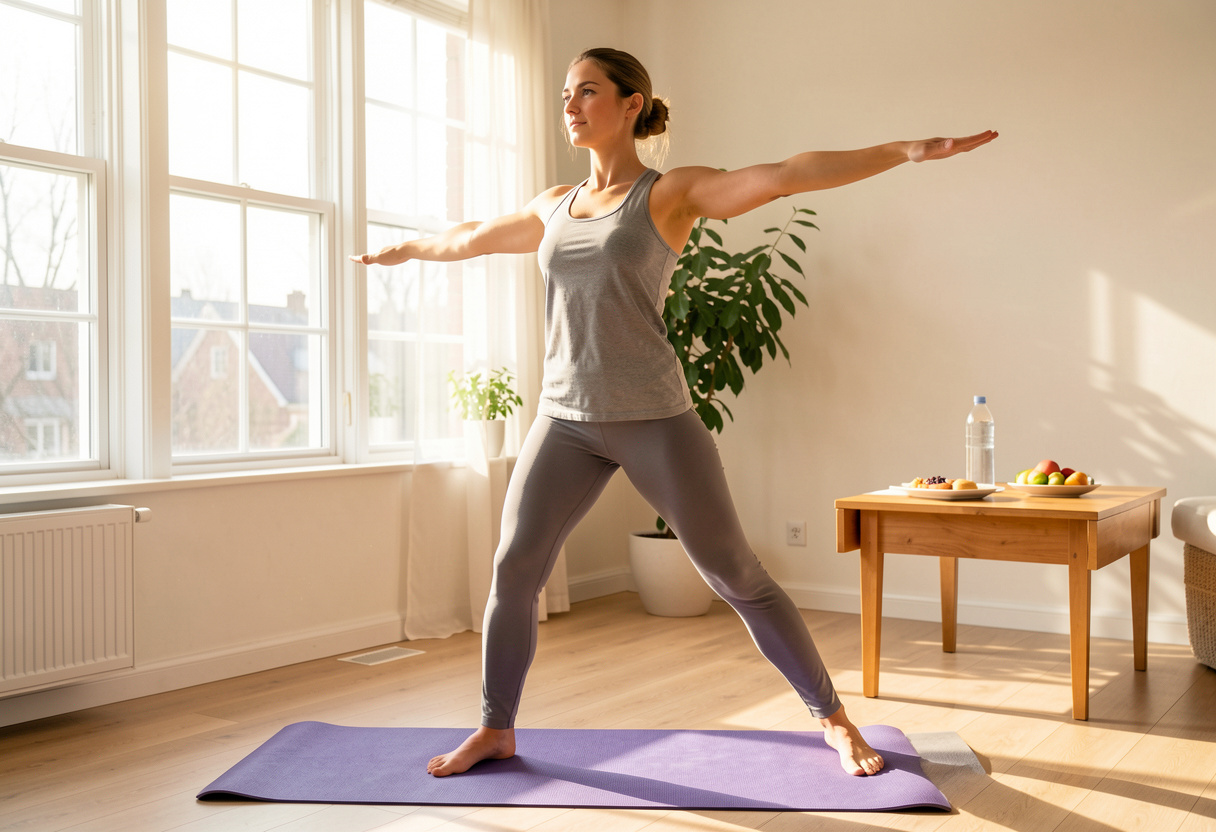
Wellness trends 2026 are shifting away from extreme diets, rigid routines, and quick-fix solutions, and toward habits that support everyday health in practical ways. More people are focusing on sleep, gut health, and mental wellness, recognising that small, consistent lifestyle changes have a bigger impact than drastic, short-lived approaches.
This year, wellness isn’t about perfection or following the latest viral trend — it’s about building routines that fit into real life, improve energy levels, and reduce stress. Whether it’s improving digestion through better nutrition, supporting mental clarity with simple daily habits, or prioritising restful sleep, the emphasis is on long-term wellbeing over quick results.
By understanding the trends that are actually working in 2026, you can make informed choices that support your body and mind, stay consistent without feeling overwhelmed, and enjoy sustainable improvements in overall health.
Why Wellness Trends Are Changing in 2026
Wellness trends are evolving in 2026 because people are increasingly tired of extreme routines and unrealistic health advice. Many have experienced burnout from restrictive diets, intense workout plans, and short-lived fads that promise results but fail to deliver lasting change.
As a result, more attention is being paid to approaches that focus on long-term health, practicality, and overall life balance. Instead of chasing perfection, individuals are now prioritising small, consistent habits that improve both mental and physical well-being. This shift recognises that wellness isn’t a one-size-fits-all concept and that daily routines should adapt to personal schedules, energy levels, and lifestyles.
Another factor driving these changes is the growing awareness of the connection between sleep, gut health, and mental wellness. Research shows that stress, poor digestion, and inadequate sleep can compound each other, negatively affecting overall health. By focusing on trends that support these core pillars, people are finding ways to improve their energy, mood, and long-term well-being without drastic changes.
Finally, sustainability and accessibility have become major considerations. Many of the 2026 trends encourage practical lifestyle adjustments, such as integrating more nutrient-rich foods into meals, scheduling micro-movements throughout the day, and prioritising mental resets over long, exhausting routines. These trends are designed to be realistic, inclusive, and manageable — making wellness achievable for more people.
Gut Health as the Foundation of Wellness
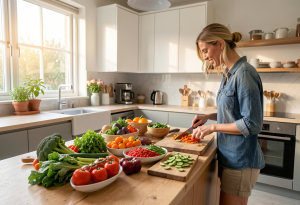
Gut health has emerged as a major focus in wellness trends 2026, and for good reason. A healthy gut not only supports digestion but also impacts energy levels, immunity, and even mental well-being. Many people are discovering that small changes, like adding more fibre-rich foods or fermented products, can make a noticeable difference without overhauling their entire diet.
Beyond nutrition, maintaining a balanced gut involves habits such as staying hydrated, managing stress, and incorporating simple digestive-support routines. These practices help maintain a healthy microbiome, reduce bloating, and support long-term digestive health.
Experts also emphasise that gut health is closely connected to mental wellness and energy. Poor digestion can influence mood, concentration, and fatigue, meaning that nurturing your gut is a holistic approach to overall well-being. Trends in 2026 reflect this by encouraging realistic, everyday strategies rather than extreme supplements or complicated programs.
Incorporating gut-friendly meals into daily life doesn’t have to be complicated. Simple additions like yoghurt, kefir, high-fibre vegetables, and whole grains can be enough to support digestive health while providing nutrients that fuel energy and mental clarity. Over time, these small, consistent choices form the backbone of a sustainable wellness routine.
Mental Wellness Through Simple Daily Habits
Mental wellness continues to be a major focus of wellness trends 2026 because modern life has made stress and anxiety increasingly common. Rather than relying on extreme interventions, 2026 trends emphasise small, manageable daily practices that can improve mood, resilience, and overall mental health over time.
Simple habits such as mindful breathing, short meditation sessions, journaling, and setting intentional breaks throughout the day are proving highly effective. These practices don’t require hours of commitment or expensive programs, making mental wellness accessible to almost anyone. By incorporating practical mental health routines, individuals can reduce stress, improve focus, and enhance emotional stability without feeling overwhelmed.
Research also shows that mental wellness is closely linked to physical health. Poor sleep, chronic stress, and low-quality nutrition can negatively affect mood and cognitive function, highlighting the importance of a holistic approach. Wellness trends in 2026 focus on strategies that support the mind and body together, encouraging people to build routines that are realistic, flexible, and sustainable.
Even small actions, like starting the day with a gratitude list or taking a 10-minute walk outside, can compound into meaningful improvements over time. These simple daily mental wellness habits are easy to integrate into busy schedules and form a foundation for long-term wellbeing.
Sleep Optimisation Over Hustle Culture
In 2026, one of the most prominent wellness trends is prioritising sleep optimisation over long, exhausting routines. People are realising that no amount of exercise or clean eating can fully compensate for poor-quality sleep. Instead of pushing through fatigue, wellness trends now emphasise building routines that support restorative sleep and improve energy, mood, and cognitive performance.
Simple, practical habits can make a big difference. Consistently going to bed and waking up at the same time, limiting screen exposure before sleep, creating a calming bedtime environment, and practising relaxation techniques are all proven ways to improve sleep naturally. These habits are realistic, flexible, and easy to integrate into daily life, making them far more sustainable than extreme sleep hacks or short-term experiments.
Sleep optimisation is closely tied to both mental wellness and gut health, creating a positive feedback loop where better sleep improves mood, digestion, and overall wellbeing. Wellness trends in 2026 focus on routines that are gentle on the body and mind rather than punishing or restrictive. By adopting small, consistent changes, individuals can enjoy more energy during the day, better emotional balance, and long-term health benefits.
Even small adjustments, such as dimming lights an hour before bed or practising a brief mindfulness exercise, can significantly enhance sleep quality. These simple sleep habits form a foundation for long-term wellness and complement other trending practices in nutrition, movement, and mental health.
Micro-Movement Instead of Long Workouts
A major shift in wellness trends 2026 is moving away from long, intense workouts toward micro-movement throughout the day. People no longer need to spend hours at the gym to see health benefits. Instead, short, frequent bursts of activity — sometimes called “movement snacks” — are proving highly effective for maintaining energy, supporting metabolism, and improving mood.
Micro-movements can include simple activities like walking during breaks, stretching at your desk, taking the stairs, or performing a few bodyweight exercises at home. These small actions are easier to integrate into daily routines and can accumulate to produce significant health benefits over time. Wellness trends in 2026 emphasise practical fitness habits that fit into real-life schedules, making exercise less intimidating and more sustainable.
Experts also highlight the link between movement and mental wellness, showing that even brief physical activity can improve focus, reduce stress, and support emotional balance. By replacing long, exhaustive sessions with consistent micro-movements, individuals can maintain strength, flexibility, and overall well-being without the risk of burnout or injury.
Incorporating short daily exercises into your day doesn’t require fancy equipment or a gym membership. Simple routines such as 5–10 minutes of stretching, a brisk walk after lunch, or a quick yoga flow in the morning can complement other trending wellness habits like nutrition, sleep, and mental health practices.
Sustainable Nutrition, Not Restrictive Diets
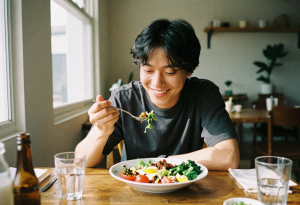
Another key focus in wellness trends 2026 is shifting away from restrictive diets toward sustainable nutrition practices. People are recognising that extreme diets, elimination plans, and fad cleanses may provide short-term results but are rarely maintainable. Instead, trends now emphasise eating patterns that support long-term health while remaining flexible and enjoyable.
Sustainable nutrition includes eating a variety of nutrient-dense foods, focusing on balance rather than perfection, and listening to your body’s hunger and fullness cues. Simple adjustments, such as incorporating more vegetables, whole grains, lean proteins, and fermented foods, can significantly improve gut health and energy levels without feeling restrictive.
Wellness trends also encourage moderation rather than deprivation. Enjoying occasional treats, focusing on portion control, and prioritising consistent, nourishing meals helps build a positive relationship with food. These practices not only support physical health but also contribute to better mental wellness by reducing stress and food-related guilt.
Finally, sustainable nutrition aligns with other trending wellness habits, such as sleep optimisation, micro-movements, and stress management routines. By integrating realistic, manageable nutrition habits into daily life, individuals can create a foundation for long-term wellness that complements other healthy lifestyle choices.
How to Try Wellness Trends Without Overwhelm
While wellness trends 2026 offer many exciting opportunities, trying to implement every trend at once can feel overwhelming. The key is to prioritise small, manageable habits that fit naturally into your daily routine. By starting with one or two practices and gradually adding more, you can build a sustainable wellness routine without stress or burnout.
Begin by identifying the areas that will have the most impact on your lifestyle. For example, if sleep is a challenge, focus on sleep optimisation techniques first. If digestive issues are common, prioritise gut-friendly foods and routines. By choosing one area at a time, you create achievable wins that build motivation and consistency.
Consistency is more important than intensity. Rather than attempting drastic changes, aim for small actions that you can maintain long-term. Examples include taking a short walk after lunch, adding a fermented food to one meal, or practising a brief mindfulness exercise each morning. These simple daily habits compound over time, leading to noticeable improvements in energy, mood, and overall well-being.
Finally, remember that wellness is personal. Not every trend will suit every individual, and it’s okay to adapt or skip trends that don’t align with your goals. Focus on practices that support your mental wellness, gut health, and sleep, and gradually expand from there to create a balanced, achievable wellness routine.
Final Thoughts on Wellness Trends 2026
Wellness in 2026 is less about extreme routines and more about practical, sustainable habits that support your overall health. By focusing on sleep, gut health, mental wellness, and micro-movements, you can create a balanced routine that improves energy, mood, and long-term well-being without feeling overwhelmed.
The key takeaway is that small, consistent changes are far more effective than drastic, short-term measures. Incorporating simple daily habits into your routine, whether it’s a few minutes of movement, a gut-friendly meal, or a mindful breathing exercise, can compound into meaningful improvements over time.
Remember that wellness is highly personal. Not every trend will suit your lifestyle, and that’s okay. Focus on strategies that resonate with your schedule, goals, and energy levels. Over time, these choices build a foundation for long-term health and resilience, allowing you to enjoy sustainable improvements in both body and mind.
By integrating these 2026 trends thoughtfully and gradually, you’ll be able to maintain motivation, avoid burnout, and experience real, lasting results in your health journey.
References
- Harvard T.H. Chan School of Public Health – Nutrition Source
- National Sleep Foundation – Sleep Guidelines
