
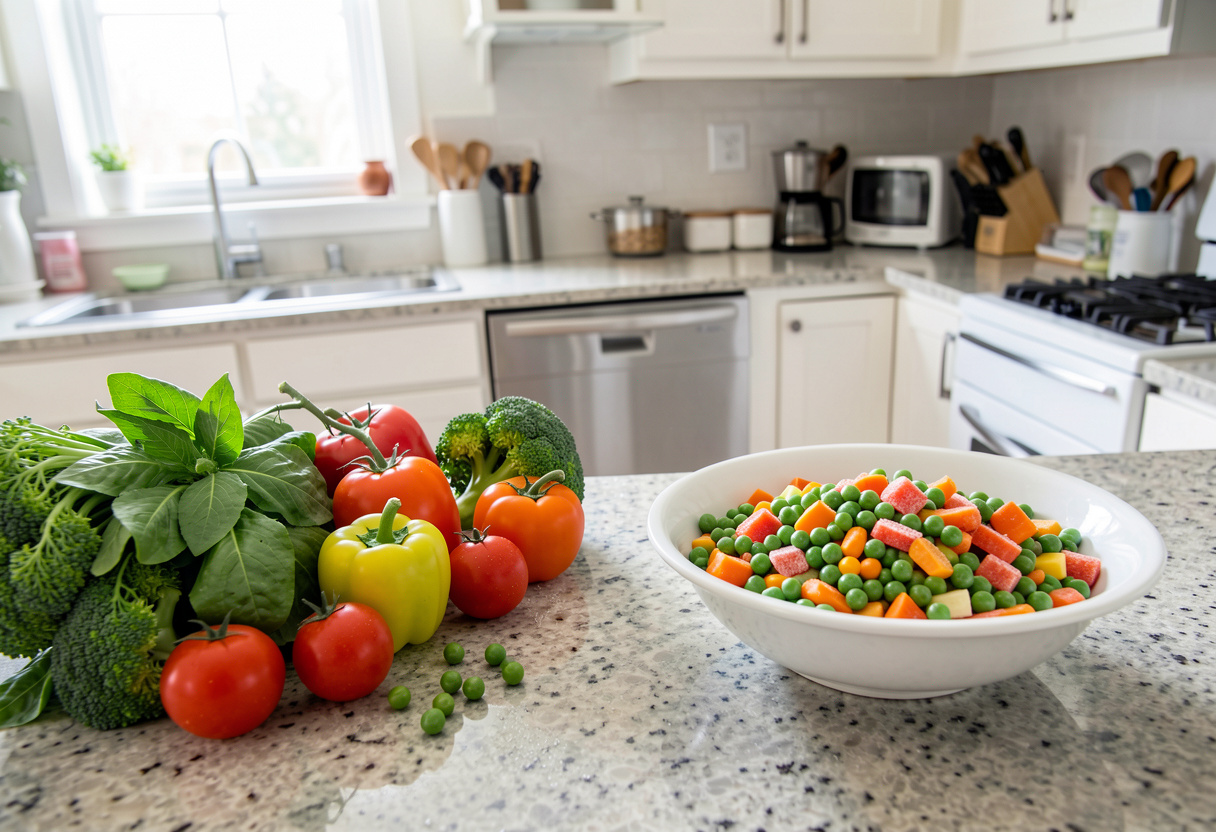
Are frozen vegetables healthy? Many people wonder whether fresh or frozen vegetables provide more nutrients, taste better, or are easier to include in everyday meals. The truth is, both options have their benefits — and frozen vegetables can actually make healthy eating simpler, save money, and reduce food waste. By understanding the differences in nutrition, convenience, and cost, you can make informed choices that fit your lifestyle without sacrificing health or flavor.
Why People Compare Frozen and Fresh Vegetables
Many people often wonder, are frozen vegetables are healthy because they’ve heard mixed messages online. Some assume fresh vegetables are always superior, while others love frozen for convenience. The truth is, both fresh and frozen vegetables have their place — it depends on nutrition, availability, cost, and convenience.
People compare frozen and fresh vegetables for a few key reasons:
| Factor | Fresh Vegetables | Frozen Vegetables |
|---|---|---|
| Nutrient retention | Can lose vitamins during transport and storage | Usually frozen shortly after harvest to lock in nutrients |
| Convenience | Must be prepared, can spoil quickly | Prepped and ready-to-cook, longer shelf life |
| Cost | Can be expensive out-of-season | Often cheaper, especially out-of-season |
| Meal planning | Best for seasonal meals | Great for quick meals and reducing food waste |
Frozen vegetables are often a practical choice for busy lifestyles, making it easier to eat more vegetables regularly. They save time, reduce waste, and help people stick to healthy eating habits without compromising nutrition.
How Vegetables Are Processed
Understanding how vegetables are handled after harvest helps explain the differences between fresh and frozen options — and why frozen vegetables can still be highly nutritious.
Fresh Vegetables:
- Picked and transported to stores, often traveling long distances.
- Nutrients like vitamin C and some antioxidants can degrade during storage and transit.
- Best consumed quickly to retain maximum nutrition.
Frozen Vegetables:
- Usually blanched (briefly boiled) and then frozen shortly after harvest.
- Freezing preserves most vitamins, minerals, and fiber, locking in nutrients at peak ripeness.
- Can be stored for months without significant nutrient loss, making them convenient and practical.
Nutrient Retention Table
| Nutrient | Fresh (after several days in storage) | Frozen (freshly frozen after harvest) |
|---|---|---|
| Vitamin C | May decrease by 20–40% | Minimal loss (~5–10%) |
| Vitamin A | Slight decline | Well-preserved |
| Fiber | Maintained | Maintained |
| Antioxidants | Some degradation | Largely retained |
Tip: Frozen vegetables are often nutritionally comparable to fresh ones, especially when fresh produce is out-of-season or has been transported long distances.

Convenience, Cost, and Healthy Eating
One of the biggest advantages of frozen vegetables isn’t nutrients — it’s how easy they make healthy eating.
Convenience:
- Frozen vegetables are pre-washed, pre-cut, and ready to cook, saving time on meal prep.
- No need to worry about spoilage — you can keep them in the freezer for months.
- Ideal for quick dinners, stir-fries, soups, and smoothies.
Cost:
- Frozen vegetables are often cheaper than fresh, especially for out-of-season produce.
- Buying in bulk can further reduce costs and prevent food waste.
Healthy Eating Made Easier:
- Having frozen vegetables on hand means you’re more likely to add them to meals consistently.
- Reduces reliance on processed snacks or fast food when time is tight.
- Helps maintain portion sizes and balance in your diet.
Quick Comparison Table:
| Factor | Fresh Vegetables | Frozen Vegetables |
|---|---|---|
| Prep Time | Wash, chop, cook | Ready to cook |
| Shelf Life | Few days | Several months |
| Cost | Higher out-of-season | Often cheaper |
| Meal Flexibility | Depends on the season | Very versatile |
When Frozen Is the Better Choice
While fresh vegetables are wonderful, there are many situations where frozen vegetables are actually the smarter choice.
Out-of-Season Produce:
- When your favorite fresh vegetables aren’t in season, frozen options often retain peak nutrients.
- Frozen vegetables are usually picked and frozen shortly after harvest, locking in vitamins and minerals.
Quick Meals & Meal Prep:
- Frozen vegetables save time for busy schedules.
- They’re pre-washed and pre-cut, so you can add them directly to stir-fries, soups, or casseroles.
Budget-Friendly & Reducing Waste:
- Often cheaper than fresh vegetables, especially imported or out-of-season produce.
- Can be stored for months, reducing spoilage and preventing food waste.
Stress-Free Healthy Eating:
- Keeping frozen vegetables on hand makes it easier to stick to your healthy eating goals.
- No last-minute trips to the store are needed, making it simple to include vegetables in every meal.
Quick Tip:
Even a mix of fresh and frozen vegetables in your weekly meals can maximize nutrition, convenience, and variety without breaking your budget.
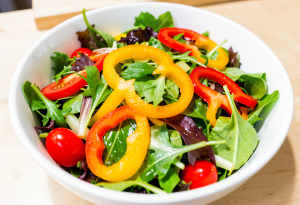
When Fresh Makes More Sense
Even though frozen vegetables are healthy and convenient, there are situations where fresh vegetables may be the better choice. Understanding this helps you balance convenience, nutrition, and flavor.
Local & Seasonal Produce:
- Fresh, local vegetables picked at peak ripeness can offer excellent flavor and texture.
- Seasonal vegetables are often cheaper when bought fresh and may provide slightly higher levels of certain antioxidants.
Recipes Where Texture Matters:
- Salads, platters, or dishes where crunch and presentation are important work best with fresh vegetables.
- While frozen vegetables are nutritious, some may become softer when cooked.
Raw Consumption:
- Fresh vegetables are ideal when eaten raw, such as in smoothies, salads, or snacks.
- Vitamins like vitamin C are best preserved in raw, fresh produce.
In Summary:
- If your goal is maximum freshness, flavor, or raw consumption, fresh vegetables may be the better choice.
- However, for most everyday meals, frozen vegetables are still a healthy, convenient, and cost-effective option.
Using both fresh and frozen vegetables in your weekly meals ensures you get variety, convenience, and nutrition, while still enjoying the flavors and textures fresh produce offers.
Tips for Choosing & Preparing Vegetables
Whether you’re using fresh or frozen vegetables, a few simple tips can help you maximize nutrition, flavor, and convenience:
1. Mix Fresh and Frozen for Flexibility
- Use frozen vegetables for quick meals or when fresh produce is out-of-season.
- Include fresh vegetables for raw dishes, salads, or recipes where texture matters.
- This combination ensures you get the benefits of both types without sacrificing variety or convenience.
2. Proper Cooking Methods
- Steaming or microwaving preserves nutrients better than boiling.
- Lightly roasting frozen vegetables with a drizzle of olive oil can enhance flavor without losing vitamins.
- Avoid overcooking, which can reduce vitamin C and other sensitive nutrients.
3. Portion & Storage Tips
- Keep frozen vegetables visible in the freezer to encourage use.
- Store fresh vegetables in a cool, dark place or the fridge to extend shelf life.
- Use frozen vegetables within a few months for the best flavor and nutrition.
4. Quick Meal Ideas
- Frozen stir-fry mixes for a fast dinner
- Fresh salad or smoothie toppings
- Mix frozen and fresh vegetables in soups, omelets, or casseroles
By combining frozen or fresh vegetables in smart ways, you can make healthy eating easy, affordable, and delicious, all while supporting your nutrition goals.
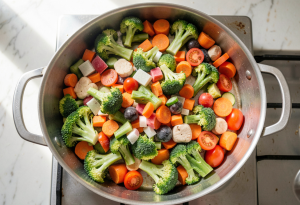
Takeaway
So, are frozen vegetables healthy? Absolutely. Frozen vegetables are nutritious, convenient, affordable, and versatile, making them a smart choice for everyday meals. While fresh vegetables offer unmatched flavor and are ideal for raw or texture-sensitive dishes, frozen vegetables provide a reliable, ready-to-use option that can help you eat more vegetables consistently, reduce waste, and save money.
Key Points to Remember:
- Nutrition: Frozen vegetables often retain the same vitamins, minerals, and fiber as fresh.
- Convenience: Pre-washed, pre-cut, and ready to cook — perfect for busy lifestyles.
- Cost & Waste: Usually cheaper than fresh produce, with longer shelf life to minimize spoilage.
- Balanced Eating: Combining fresh and frozen vegetables ensures variety, flavor, and practicality.
Incorporating frozen vegetables into your diet can be just as healthy as fresh and makes maintaining a balanced, nutrient-rich diet easier. For more guidance on vegetables and nutrition, check out the Harvard T.H. Chan School of Public Health
