
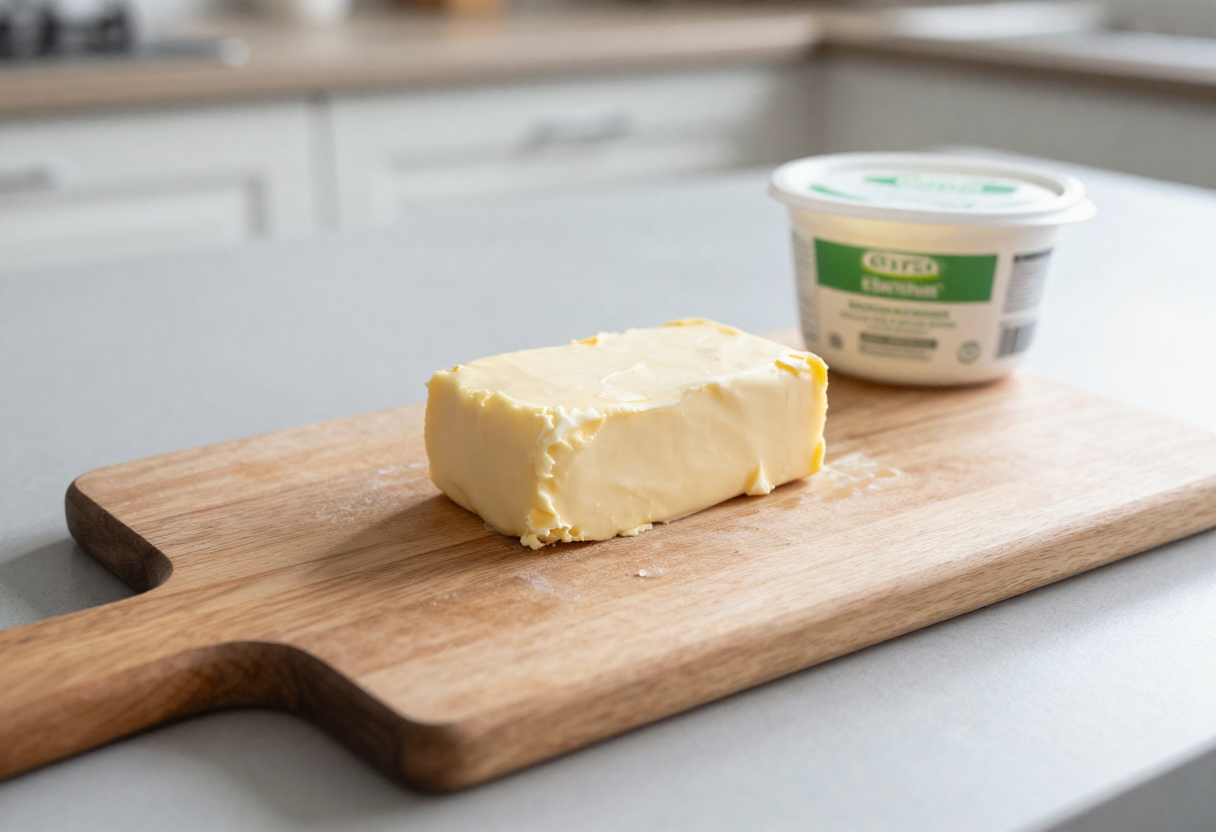
If you’ve ever stood in the grocery aisle wondering, is butter healthier than margarine, you’re not alone. For decades, this question has sparked debates about fat, heart health, and nutrition. Butter and margarine may look similar, but they differ in ingredients, processing, and how they affect your body.
Choosing between them isn’t just about taste — it’s about understanding the nutritional differences, how each fits into a balanced diet, and which option may be better for your health and cooking needs. By exploring their composition, health effects, and practical uses, you’ll be able to make informed choices without confusion or guilt.
Whether you cook, bake, or simply spread it on toast, knowing the facts about butter and margarine can help you make decisions that align with your health goals.
What Butter Is
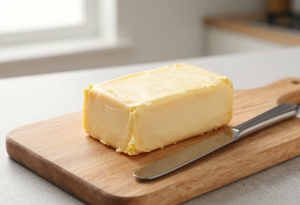
Butter is a natural dairy product made by churning cream until the fat separates from the liquid. Traditionally, it’s made from cow’s milk, though some variations come from goat or sheep milk. Butter is mostly saturated fat, with small amounts of vitamins like A, D, E, and K, and trace minerals.
Because it’s minimally processed, butter is often considered a whole-food fat. Its flavor and cooking properties make it a popular choice for spreading, baking, and sautéing. However, it’s calorie-dense, so moderation is key — especially if you’re watching heart health or overall fat intake.
Despite its high saturated fat content, recent research shows that moderate butter consumption doesn’t necessarily raise heart disease risk for healthy adults, especially when it replaces ultra-processed spreads or trans fats. Understanding these properties helps you make an informed choice when considering butter in your diet.
What is Saturated Fat?
Saturated fat is a type of fat found mainly in animal products like butter, cheese, and meat. It is solid at room temperature and provides energy as well as fat-soluble vitamins (A, D, E, K).
Moderate intake of saturated fat is fine for most healthy adults, but it’s best to balance it with unsaturated fats from nuts, seeds, olive oil, and fish.
What Margarine Is
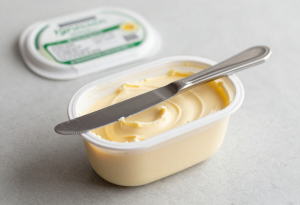
Margarine is a plant-based or blended fat created to mimic butter. It’s made from vegetable oils, sometimes combined with a small amount of dairy, and processed to be solid at room temperature. Modern margarines often use sunflower, soybean, or canola oils and are formulated to reduce trans fats, which were common in older versions.
Unlike butter, margarine is generally unsaturated fat–rich, which can be better for heart health when chosen carefully. Some margarines are fortified with vitamins like A and D, and others are marketed as “light” or “spreadable”, making them lower in calories or easier to use.
It’s important to check the ingredients — some margarines still contain partially hydrogenated oils (trans fats), which can increase heart disease risk. Understanding how margarine is made and what it contains can help you choose the healthiest option for cooking or spreading.
What is Trans Fat?
Trans fat is an artificial fat created by hydrogenating vegetable oils to make them solid at room temperature. It was commonly used in older margarines and baked goods.
Why it matters: Trans fats raise “bad” LDL cholesterol and lower “good” HDL cholesterol, increasing the risk of heart disease. Always check labels and choose margarines labeled 0g trans fat or made with fully unsaturated oils.
Butter vs Margarine – Nutritional Comparison
When deciding between butter and margarine, it helps to compare their key nutrients side by side. The table below highlights the main differences per tablespoon (14g):
| Nutrient | Butter | Margarine |
|---|---|---|
| Calories | 102 kcal | 80–100 kcal (varies by brand) |
| Total Fat | 11g | 9–11g |
| Saturated Fat | 7g | 1–2g |
| Unsaturated Fat | 3–4g | 6–9g |
| Trans Fat | 0–0.5g | 0–2g (check label) |
| Cholesterol | 31mg | 0mg |
| Vitamins | A, D, E, K | Some fortified with A & D |
Key Points:
- Butter: Higher in saturated fat and cholesterol, minimally processed, contains fat-soluble vitamins.
- Margarine: Lower in saturated fat, generally higher in unsaturated fat, may contain trans fats if partially hydrogenated oils are used.
- Always check the ingredients — modern margarines are usually safer than older types.
Using moderation and variety is key. A little butter or a carefully chosen margarine can both fit into a healthy diet, depending on your overall eating pattern.

Health Considerations – Choosing What’s Best
When deciding which is healthier, butter or margarine, it depends on your health goals and eating patterns.
Butter is natural and minimally processed, making it a whole-food fat. Its higher saturated fat content isn’t automatically harmful for healthy adults when consumed in moderation, but excessive intake can impact cholesterol levels.
Margarine, on the other hand, is made from vegetable oils, usually contains more unsaturated fat, and can be fortified with vitamins. Modern margarines with 0g trans fat can be a heart-healthy choice, especially when used instead of highly processed spreads.
Practical tips for choosing:
- Use butter for flavor in moderation, especially in baking or cooking.
- Choose margarine that is minimally processed, free of partially hydrogenated oils, and low in trans fat.
- Rotate between butter and margarine depending on your meals and overall diet.
- Always consider overall fat intake and balance it with unsaturated fats from nuts, seeds, olive oil, and fish.
By understanding the differences between butter and margarine, you can make choices that support your heart health, cholesterol levels, and nutritional needs without sacrificing taste.
Takeaway: Is Butter Healthier Than Margarine?
When it comes to – is butter healthier than margarine, there isn’t a one-size-fits-all answer. Both can fit into a balanced diet when used wisely:
- Butter is natural, minimally processed, and provides fat-soluble vitamins. Use it in moderation, especially for flavoring, baking, or cooking.
- Margarine can be a heart-healthier option if it contains unsaturated fats and is free of trans fats. Modern varieties can safely replace butter in spreads or recipes when chosen carefully.
Rotate between butter and margarine depending on your meals, and balance with healthy fats from nuts, seeds, and olive oil. Moderation and awareness are key.
For more information on healthy fats and heart health, see this resource from the Harvard T.H. Chan School of Public Health
So is Butter healthier than margarine?. By understanding the differences between butter and margarine and making mindful choices, you can enjoy your spreads without guilt and support your overall health.
