

Staying properly hydrated is one of the simplest ways to boost your energy, focus, and overall health — yet many of us don’t drink enough water each day.
Dehydration isn’t always obvious; you might feel “off” without realizing it. Thirst isn’t the only signal your body sends, and sometimes minor signs can be easy to miss.
In this post, we’ll cover 10 common signs of dehydration and give you practical tips for staying hydrated throughout the day. Even small changes can make a big difference in your energy, concentration, and well-being.

Why Hydration Matters
Water is essential for nearly every process in your body. It helps:
- Maintain energy levels and brain function
- Support digestion and nutrient absorption
- Regulate body temperature
- Keep your joints and muscles functioning smoothly
- Remove waste and toxins efficiently
Even mild dehydration can affect mood, focus, and physical performance — which is why staying hydrated is more important than many people realize.
A simple way to track water intake is to sip consistently throughout the day rather than trying to drink a large amount all at once.
You Feel Tired or Low on Energy
Feeling sluggish or drained, even after a full night’s sleep, can be one of the earliest signs that you’re not drinking enough water. Mild dehydration reduces blood volume, making your heart work harder to deliver oxygen and nutrients to your muscles and brain, which can leave you feeling fatigued.
Start your day with a full glass of water and sip consistently throughout the morning. Pair water with a short stretch or walk to naturally wake up your body.

You Have Frequent Headaches
Headaches are a common but often overlooked sign of dehydration. Even mild fluid loss can reduce blood flow and oxygen delivery to the brain, triggering dull or throbbing headaches. Many people reach for painkillers without realizing that a simple glass of water could provide relief.
When you feel a headache coming on, drink a full glass of water slowly and take a short break. Keeping a water bottle nearby can help prevent frequent headaches.
Your Urine Is Dark Yellow
One of the most obvious signs of dehydration is dark yellow or amber-colored urine. When you’re properly hydrated, urine is usually pale yellow. Darker shades indicate your body is conserving water, which can affect your energy, digestion, and overall health.
Keep a small chart or note of your urine color throughout the day. Aim for a light yellow shade, which usually signals adequate hydration.
You Feel Hungry Shortly After Eating
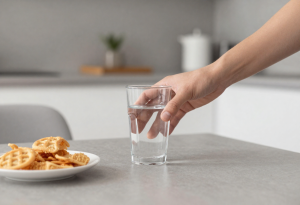
Sometimes what feels like hunger is actually mild dehydration. When your body doesn’t have enough water, it can confuse thirst signals with hunger, leading you to eat more than necessary. This can contribute to cravings and affect your energy levels throughout the day.
If you feel hungry shortly after a meal, drink a full glass of water first. Wait a few minutes — often the hunger sensation will decrease naturally.
Dry Mouth, Lips, or Skin
Dry mouth, chapped lips, or flaky skin can be subtle signs that your body isn’t getting enough water. These external cues often appear before more serious dehydration symptoms and are easy to miss if you’re busy or focused on work.
Keep a water bottle nearby and sip regularly throughout the day. Applying a natural lip balm and moisturizing your skin can help, but drinking water addresses the root cause.
Difficulty Concentrating or Brain Fog
Even mild dehydration can affect cognitive function, making it harder to focus, remember details, or stay alert. You might notice your mind wandering more easily, struggling with tasks that are normally simple, or feeling mentally “sluggish.”
Keep a glass of water at your desk and take regular sips throughout the day. Staying hydrated helps maintain clear thinking and mental energy.

Dizziness or Lightheadedness
Feeling dizzy or lightheaded, especially when standing up quickly, can be a sign that your body is low on fluids. Dehydration reduces blood volume, which can affect blood pressure and temporarily decrease blood flow to the brain.
When you feel lightheaded, sit down and drink a glass of water slowly. Make it a habit to sip water regularly throughout the day to prevent sudden dizziness.
Muscle Cramps or Tightness
Dehydration can lead to muscle cramps or stiffness, especially after exercise or prolonged activity. Without enough water, your muscles may not receive adequate hydration and electrolytes, which can cause discomfort or sudden spasms.
Drink water before, during, and after physical activity. Including electrolyte-rich fluids or foods can also help prevent cramps and maintain muscle function.

Bad Breath
Chronic dry mouth from dehydration can lead to unpleasant breath. Saliva helps wash away bacteria in the mouth, and when your body doesn’t produce enough, bacteria can multiply, causing bad breath.
Sip water regularly throughout the day to keep your mouth moist. Rinsing your mouth or chewing sugar-free gum can also help, but hydration addresses the root cause.
Constipation or Slower Digestion
If you’re experiencing constipation or slower digestion, dehydration could be the cause. Water helps your digestive system break down food and move it through your intestines efficiently. Without enough fluids, digestion can slow down, leading to discomfort and bloating.
Drinking water consistently throughout the day can improve digestion and prevent constipation. Pair hydration with fiber-rich foods to support a healthy digestive system.
How Much Water Do You Really Need?
Many people wonder how much water they actually need each day. The old “8 glasses a day” rule is a rough guide, but hydration needs vary depending on body size, activity level, climate, and diet. Using approximate amounts in millilitres or litres makes it easier to plan your daily intake.
Aim to sip water consistently throughout the day rather than drinking large amounts at once. Adjust based on activity, climate, and how your body feels.
Practical Hydration Table:
| Person / Situation | Approx. Daily Water Intake |
|---|---|
| Average adult woman (50–70 kg / 110–155 lb) | 2.0 L (about 8 glasses) |
| Average adult man (70–90 kg / 155–200 lb) | 2.5 L (about 10 glasses) |
| Active adult (light exercise 30–60 min/day) | +0.5 L for sweat loss |
| Hot or humid climate | +0.5 L or more as needed |
| Older adults/seniors | 1.8–2 L (sip consistently) |
Simple Ways to Drink More Water (Without Forcing It)
Even when you know how much water you need, it can be tricky to drink enough consistently. Here are practical ways to stay hydrated throughout the day:
- Start your day with water: Drink a full glass first thing in the morning to jumpstart hydration.
- Pair water with daily habits: Take a sip with every meal, snack, or coffee break.
- Add natural flavour: Infuse water with lemon, cucumber, or berries for a refreshing twist.
- Keep water visible: Place bottles in frequently used areas — on your desk, in the kitchen, or by your bedside.
- Set gentle reminders: Use phone alerts or habit cues to prompt regular sipping without pressure.
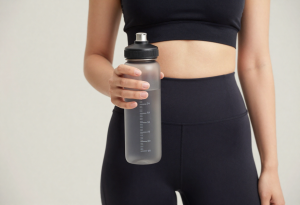
Track your intake with a reusable water bottle marked with measurements. This encourages steady hydration and prevents dehydration symptoms.
Can You Drink Too Much Water?
While staying hydrated is essential, it is possible to overdo it. Drinking excessive amounts in a short period can dilute electrolytes in the body, leading to a rare condition called hyponatremia. For most people, simply sipping water consistently throughout the day keeps you safe without risk of overhydration.
Listen to your body. Aim for steady hydration rather than forcing large amounts at once. Your urine color and thirst cues are usually reliable indicators
When Dehydration Could Be a Health Issue
Most mild dehydration can be managed by drinking water, but severe or prolonged dehydration can be serious. High heat, intense exercise, illness, or certain medical conditions (like kidney disease or diabetes) can increase the risk. Watch for extreme thirst, dizziness, very dark urine, or rapid heartbeat — these are signs to seek professional advice.
If mild hydration strategies don’t relieve symptoms, contact a healthcare professional. Early attention can prevent serious complications.
Takeaway
Dehydration can affect energy, focus, digestion, and overall health, yet many people overlook the signs. Paying attention to the signs of dehydration, such as fatigue, headaches, dark urine, or dry skin, allows you to take action before symptoms worsen.
Simple steps — like sipping water consistently, pairing hydration with meals, and tracking your intake — can make a big difference in daily health and well-being. Remember, staying hydrated isn’t just about preventing thirst; it’s about supporting your body’s essential functions every day.
For more guidance on healthy hydration, the Mayo Clinic provides practical tips and recommendations
