
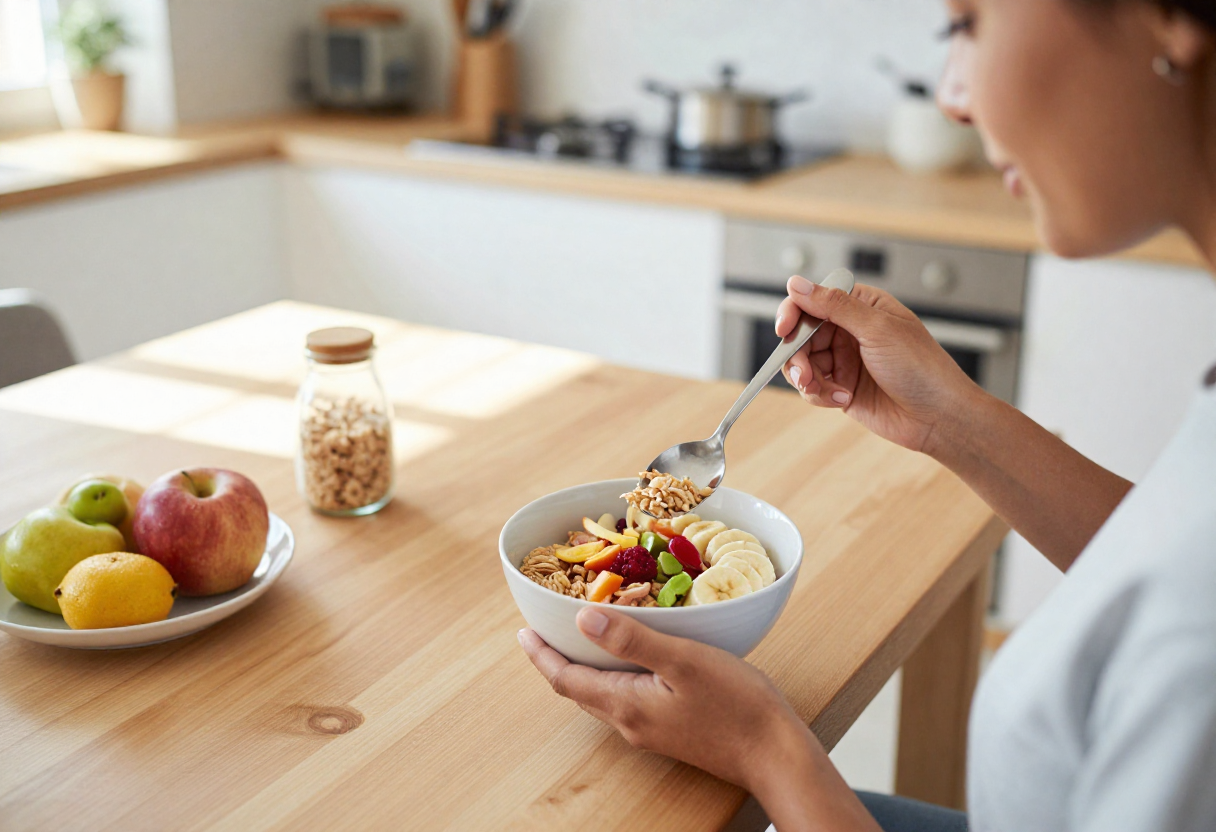
What is fiber, and why is it considered such an essential part of a healthy diet? Fiber is a type of carbohydrate that your body cannot fully digest, yet it plays a crucial role in keeping your digestive system running smoothly. Unlike other carbs, fiber passes through the gut mostly intact, helping regulate bowel movements, support gut health, and even control appetite.
Eating enough fiber has benefits far beyond digestion. It can help maintain a healthy weight, lower cholesterol, stabilize blood sugar, and reduce the risk of chronic diseases such as heart disease and type 2 diabetes. Despite its importance, many people don’t get the recommended daily intake, which can lead to digestive discomfort and missed health benefits.
Here, we’ll explain what fiber is, the different types, the top high fiber foods to include in your diet, how much fiber you need, and practical tips to make it easy to reach your daily target. Whether you’re trying to improve gut health, lose weight, or simply feel better every day, understanding fiber is a key step toward a healthier lifestyle.
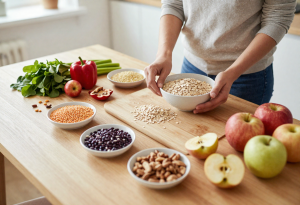
What Is Fiber?
Fiber is a type of carbohydrate that your body cannot fully digest. Unlike other carbs, it passes through the digestive system mostly intact, providing numerous health benefits. Fiber is generally classified into two main types:
Soluble Fiber
Soluble fiber dissolves in water to form a gel-like substance. This helps:
- Lower cholesterol
- Control blood sugar levels
- Promote a feeling of fullness
Examples of soluble fiber: oats, barley, beans, lentils, apples, citrus fruits, and chia seeds.
Insoluble Fiber
Insoluble fiber does not dissolve in water and helps move food through the digestive system. It is excellent for:
- Preventing constipation
- Supporting regular bowel movements
- Promoting overall digestive health
Examples of insoluble fiber: whole wheat, brown rice, nuts, seeds, cauliflower, and green beans.
Adding a mix of soluble and insoluble fiber ensures you get the full benefits for digestion, weight management, and overall health.

Benefits of Fiber
Getting enough fiber is essential for overall health. It supports digestion, weight management, and heart health, among other benefits. Here’s how fiber helps your body:
Fiber for Digestion (fiber for digestion)
Fiber helps regulate bowel movements and supports a healthy gut. Soluble fiber slows digestion and keeps you feeling full, while insoluble fiber adds bulk to stool and prevents constipation. A diet rich in fiber can reduce the risk of digestive disorders and improve overall gut health.
Fiber and Weight Management (fiber and weight loss)
High fiber foods are naturally low in calories but take longer to chew and digest, helping you feel full for longer. This can help reduce overall calorie intake and support weight loss or maintenance goals.
Fiber and Heart Health
Soluble fiber can help lower LDL (“bad”) cholesterol and may reduce blood pressure, contributing to a healthier heart. A fiber-rich diet is linked to a lower risk of heart disease and improved cardiovascular health.
Fiber Benefits
| Benefit | How Fiber Helps | Example Foods |
|---|---|---|
| Digestion | Regulates bowel movements, supports gut bacteria | Oats, lentils, whole grains, and vegetables |
| Weight Management | Increases satiety, reduces overall calorie intake | Apples, beans, berries, chia seeds |
| Heart Health | Lowers cholesterol, may reduce blood pressure | Oats, barley, legumes, flaxseeds |
| Blood Sugar Control | Slows digestion, stabilizes blood sugar | Lentils, beans, oats, fruits |
Top High Fiber Foods
| Food | Serving Size | Fiber (g) | Fiber (oz) | Calories | Calories/oz |
|---|---|---|---|---|---|
| Rolled oats | 40g | 4g | 1.4oz | 150 | 107 |
| Lentils (cooked) | 100g | 7.9g | 3.5oz | 116 | 33 |
| Chickpeas (cooked) | 100g | 7.6g | 3.5oz | 164 | 47 |
| Apples (with skin) | 1 medium (182g) | 4.4g | 6.4oz | 95 | 15 |
| Raspberries | 123g | 8g | 4.3oz | 64 | 15 |
| Broccoli (steamed) | 91g | 2.6g | 3.2oz | 55 | 17 |
| Almonds | 28g | 3.5g | 1oz | 161 | 161 |
| Chia seeds | 28g | 9.8g | 1oz | 138 | 138 |
Quick Tips to Add Fiber to Your Meals
- Breakfast: Add oats, berries, or chia seeds to smoothies or yogurt bowls.
- Lunch: Include lentils, chickpeas, or a large salad with raw vegetables.
- Snacks: Enjoy an apple with almonds or a handful of nuts.
- Dinner: Add brown rice, quinoa, or roasted vegetables as a side.
Including a variety of fiber-rich foods throughout the day ensures you get both soluble and insoluble fiber, while monitoring calories helps maintain energy balance and supports weight management.

How Much Fiber Do You Need?
Getting the right amount of fiber each day is essential for digestion, weight management, and overall health. While needs vary depending on age, sex, and activity level, general recommendations provide a solid guideline.
Daily Fiber Recommendations
| Age / Group | Recommended Fiber Intake |
|---|---|
| Women 19–50 | 25g/day (≈0.9oz) |
| Men 19–50 | 38g/day (≈1.3oz) |
| Women 51+ | 21g/day (≈0.7oz) |
| Men 51+ | 30g/day (≈1.1oz) |
| Children 4–8 | 25g/day (≈0.9oz) |
| Teen Girls 9–18 | 26g/day (≈0.9oz) |
| Teen Boys 9–18 | 31g/day (≈1.1oz) |
Tips for Gradually Increasing Fiber
-
Start slowly: Suddenly adding too much fiber can cause bloating or gas. Increase your intake gradually over a few weeks.
-
Drink plenty of water: Fiber works best when it absorbs water, helping food move smoothly through your digestive system.
-
Mix soluble and insoluble fiber: Include fruits, vegetables, whole grains, legumes, nuts, and seeds for a balanced intake.
-
Replace refined foods: Swap white bread, pasta, and rice for whole-grain alternatives to naturally boost fiber.
-
Add a fiber-rich breakfast: Starting your day with a morning chia seed jar (chia seeds soaked overnight with milk or plant-based milk, topped with berries, banana, and oats) is an easy way to get a solid portion of your daily fiber right away.
Eating the right amount of fiber consistently supports gut health, satiety, stable blood sugar, and long-term heart health. By incorporating a mix of fiber-rich foods into each meal, you can easily meet these recommendations without feeling restricted.

Common Mistakes and Tips
Even with the best intentions, many people make small mistakes when trying to get enough fiber. Avoiding these pitfalls ensures you gain the full benefits of fiber without discomfort.
1. Not Drinking Enough Water
Fiber absorbs water as it moves through the digestive system. Without enough fluid, you may experience constipation or bloating. Aim for at least 8 cups (about 2 liters) of water per day, especially if you increase fiber intake.
2. Adding Fiber Too Quickly
Suddenly doubling your fiber intake can cause gas, bloating, or cramps. Gradually increase fiber in your diet over 1–2 weeks to give your digestive system time to adjust.
3. Relying Only on Supplements
Fiber supplements can help, but they shouldn’t replace whole foods. Fruits, vegetables, whole grains, legumes, and seeds provide fiber plus vitamins, minerals, and antioxidants that supplements cannot.
4. Ignoring Soluble vs Insoluble Fiber
Both types of fiber are important. Soluble fiber helps control blood sugar and cholesterol, while insoluble fiber keeps your bowel movements regular. A balanced diet ensures you get both.
5. Skipping Fiber at Breakfast
Starting the day with fiber-rich foods, such as a morning chia seed jar, oats with fruit, or whole-grain toast, sets you up for satiety and stable energy throughout the day.
Research shows that including simple, high-fiber meals like steamed vegetables and whole grains supports digestive health, helps control blood sugar, and may reduce the risk of chronic disease, as discussed by Harvard TH Chan
Frequently Asked Questions (FAQ)
1. What happens if I don’t eat enough fiber?
Not getting enough fiber can lead to constipation, digestive discomfort, and irregular bowel movements. Long-term low fiber intake may increase the risk of heart disease, type 2 diabetes, and weight gain.
2. Can too much fiber be harmful?
Yes. Consuming very high amounts of fiber suddenly can cause bloating, gas, or cramps. It’s important to increase fiber gradually and drink plenty of water to help your body adjust.
3. Does fiber help with weight loss?
Absolutely. Fiber-rich foods are low in calories and high in volume, helping you feel full longer. This can reduce overall calorie intake and support healthy weight management.
4. How can I get fiber without eating vegetables?
You can still meet your fiber needs through fruits, legumes, whole grains, nuts, and seeds. Foods like oats, chia seeds, lentils, beans, and berries are excellent alternatives if you struggle with vegetables.
5. Are fiber supplements as good as fiber from food?
Supplements can help reach daily fiber goals, but whole foods provide additional vitamins, minerals, and antioxidants that supplements lack. It’s best to prioritize fiber-rich meals first, and use supplements only as a backup.
