
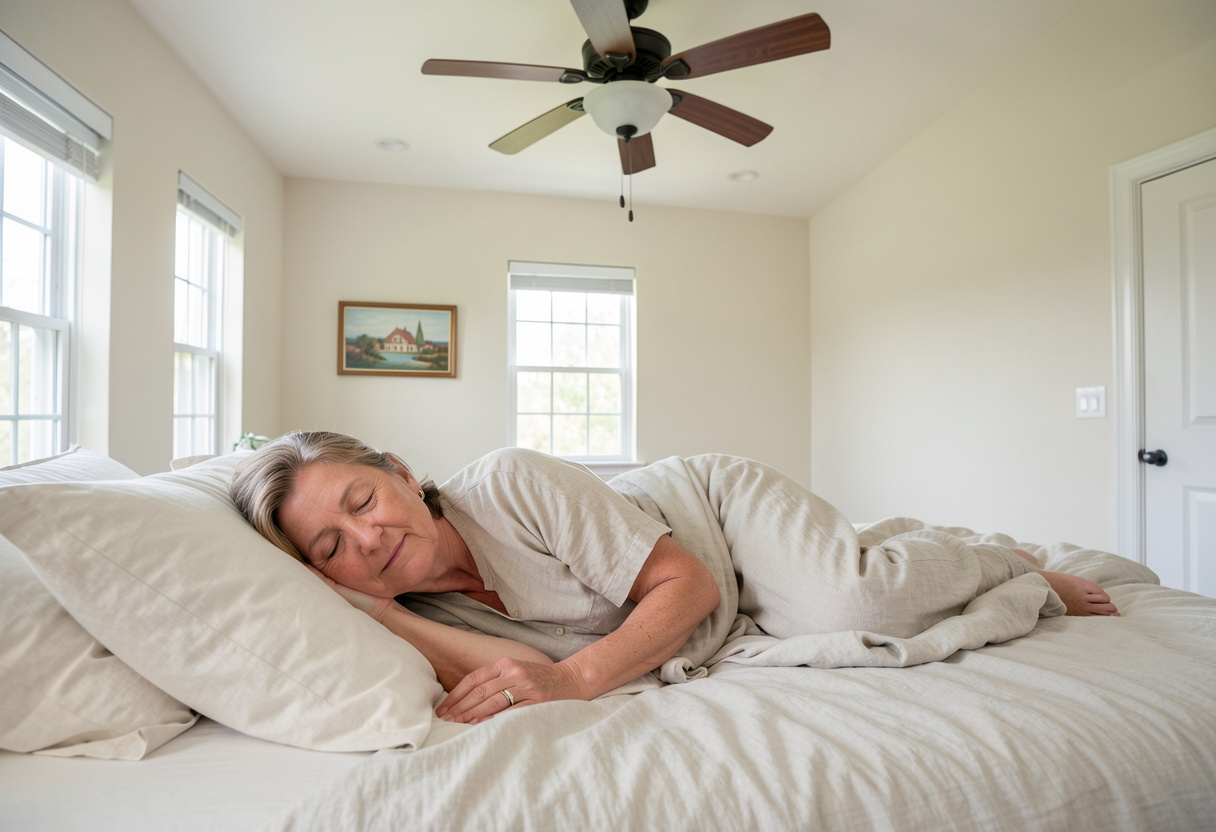
Natural ways to reduce night sweats are essential for women going through menopause, as hot flashes and disrupted sleep can impact daily life and overall well-being. Night sweats are caused by hormonal changes, primarily fluctuating estrogen, and can leave you feeling tired, irritable, and restless. The good news is that there are evidence-based lifestyle strategies and simple remedies that can help you stay cool and sleep comfortably.
Understanding Menopause Night Sweats
Night sweats are one of the most common and disruptive symptoms of menopause, affecting sleep quality and overall well-being. They occur when your body’s temperature regulation is thrown off due to hormonal fluctuations, especially the decline in estrogen. Understanding why they happen and what triggers them is key to managing them naturally.
Why Night Sweats Happen
During menopause, declining estrogen levels affect the hypothalamus, the part of the brain that controls body temperature. Even small changes in core temperature can trigger the body’s cooling mechanisms, such as sweating, to restore balance. This is why night sweats often appear suddenly, sometimes waking you from sleep, drenched in sweat.
Common Triggers
While hormonal changes are the root cause, certain lifestyle factors can make night sweats worse:
- Stress and anxiety – heightened stress levels can trigger hot flashes and sweating
- Spicy or hot foods can temporarily increase body temperature
- Alcohol and caffeine – especially in the evening- can worsen night sweats
- Warm bedroom environment – heavy bedding or lack of ventilation can amplify sweating
By identifying your personal triggers, you can take steps to reduce their impact and get more restful sleep.
Lifestyle Changes to Reduce Night Sweats
Simple adjustments to your daily routine and environment can make a big difference in managing night sweats. These changes focus on improving your comfort, supporting your body’s temperature regulation, and reducing triggers that worsen hot flashes.
Sleep Environment Adjustments
Creating a cool, well-ventilated sleeping space is one of the most effective ways to reduce night sweats. Consider:
- Using a fan or air conditioning to maintain a comfortable temperature
- Choosing breathable bedding made of cotton or moisture-wicking fabrics
- Removing heavy blankets that can trap heat
- Keeping windows slightly open to allow airflow, if safe and comfortable
A consistent sleep environment helps signal your body that it’s time to rest, reducing the frequency of night sweats.
Clothing and Bedding Choices
Your choice of sleepwear can significantly impact your nighttime comfort:
- Opt for loose-fitting, moisture-wicking pajamas
- Avoid synthetic fabrics that trap heat
- Use lightweight sheets and blankets that allow your skin to breathe
These small changes reduce heat retention and prevent sudden waking from sweating.
Manage Stress
High stress levels can trigger hormonal imbalances and worsen night sweats. Incorporate relaxation techniques such as:
- Meditation or deep breathing exercises before bed
- Gentle yoga or stretching to relax the body
- Reading or calming routines that signal your body that it’s time to wind down
Reducing stress can help regulate your nervous system and decrease the intensity of night sweats.

Diet and Hydration Tips
What you eat and drink can significantly influence the severity and frequency of night sweats during menopause. Certain foods help balance hormones and regulate body temperature, while others can trigger hot flashes. Hydration also plays a key role in keeping your body cool.
Foods to Include
Incorporate nutrient-dense, phytoestrogen-rich foods that can help mimic estrogen and support hormonal balance:
- Soy products such as tofu, tempeh, and soy milk
- Flaxseeds, added to smoothies, oatmeal, or yogurt
- Whole grains like quinoa, oats, and brown rice
- Fresh fruits and vegetables, which provide antioxidants and fiber
Regularly including these foods can help reduce the intensity of night sweats over time and support overall menopause health.
Foods to Avoid
Certain foods and beverages can trigger or worsen night sweats:
- Spicy foods like chili, curry, or hot sauces
- Caffeine and alcohol, especially in the evening
- Sugary snacks, which can spike blood sugar and affect sleep quality
Minimizing these triggers can make a noticeable difference in nightly comfort.
Hydration Strategies
Proper hydration helps regulate body temperature and flush out toxins:
- Drink plenty of water throughout the day
- Keep a glass of water by your bedside for nighttime thirst
- Avoid excessive fluids immediately before bed to prevent frequent bathroom trips
Combining a balanced diet with proper hydration helps your body stay cool and may reduce night sweats naturally.

Exercise and Physical Activity
Regular physical activity can help manage night sweats during menopause by improving circulation, reducing stress, and regulating body temperature. Exercise also supports overall health, including heart health, bone strength, and mood stabilization.
Benefits of Regular Exercise
Engaging in consistent physical activity offers multiple benefits for menopausal women:
- Reduces stress and anxiety, which can trigger night sweats
- Improves sleep quality, making it easier to rest through the night
- Helps regulate body temperature, reducing the frequency and intensity of hot flashes
- Supports metabolism and weight management, which can indirectly ease night sweats
Recommended Activities
Low-to-moderate intensity exercises are particularly effective for managing night sweats:
- Walking – a gentle, low-impact activity to boost circulation
- Swimming – naturally cools the body while providing cardiovascular benefits
- Yoga or Pilates – combines stretching, mindfulness, and relaxation
- Strength training – maintains muscle mass and supports metabolism
Consistency is key. Even 30 minutes a day, most days of the week, can make a noticeable difference over time.

Natural Supplements and Remedies
For some women, natural supplements and remedies can help ease night sweats during menopause. While results vary, evidence-based options may provide relief when combined with lifestyle and dietary changes. Always consult a healthcare professional before starting any supplement.
Evidence-Based Supplements
Certain supplements have shown potential in supporting hormone balance and reducing hot flashes:
- Black cohosh – traditionally used for menopause symptom relief
- Evening primrose oil – may reduce hot flashes and improve sleep
- Magnesium – supports muscle relaxation and can improve sleep quality
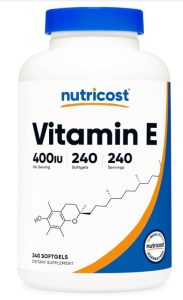
- Vitamin E – some studies suggest it may help reduce hot flash frequency
Additional Natural Remedies
- Cooling pillows or mattress pads – help regulate body temperature while sleeping
- Herbal teas – chamomile or peppermint can promote relaxation and may ease discomfort
- Acupuncture – evidence suggests some benefit for hot flashes in certain women
Supplements should be considered part of a holistic approach that includes diet, hydration, exercise, and stress management.
When to See a Doctor
Some night sweats are normal during menopause, but persistent or severe sweating that disrupts sleep may indicate it’s time to consult a healthcare professional. Sudden, extreme sweating unrelated to menopause or accompanied by other symptoms could signal an underlying medical condition, such as thyroid problems or infections.
Signs You Should See a Doctor
- Night sweats that interfere with daily life or sleep
- Sudden onset of excessive sweating unrelated to temperature or activity
- Other concerning symptoms, such as unexplained weight loss, fever, or palpitations
Early consultation helps rule out serious conditions and ensures you receive guidance on safe, effective ways to manage symptoms.

FAQ: Menopause Night Sweats
What are the best natural remedies for night sweats?
Lifestyle changes such as maintaining a cool bedroom, wearing breathable sleepwear, staying hydrated, eating phytoestrogen-rich foods, and practicing stress management can all help reduce night sweats naturally.
Can diet really reduce night sweats?
Yes. Avoiding triggers like spicy foods, alcohol, and caffeine while including whole grains, fruits, vegetables, and phytoestrogen-rich foods can help regulate hormones and reduce the intensity of night sweats.
How long do night sweats last during menopause?
Night sweats can begin during perimenopause and may continue for several years into menopause. Their frequency and severity vary from person to person.
Are supplements effective for reducing hot flashes?
Some evidence-based supplements, such as black cohosh, evening primrose oil, magnesium, and vitamin E, may provide relief. However, results vary, and it’s important to consult a healthcare professional before use.
When should I see a doctor for night sweats?
Seek medical advice if you experience night sweats that:
- Interfere with sleep or daily life
- Appear suddenly and are severe
- Are accompanied by other concerning symptoms like unexplained weight loss or fever
For more information on managing menopause symptoms, including night sweats, natural remedies, and lifestyle strategies, refer to trusted sources. According to the Mayo Clinic, night sweats are a common symptom of menopause caused by hormonal fluctuations, and lifestyle adjustments like cooling the bedroom, wearing breathable clothing, and avoiding triggers can help reduce their intensity. Harvard Health also notes that maintaining a healthy diet, staying hydrated, managing stress, and exercising regularly can support hormone balance and improve sleep quality
