

Does Menopause Cause Dehydration?
Many women notice changes in their fluid balance during menopause due to hormonal fluctuations, hot flashes, and night sweats. These changes can increase fluid loss and make it easier to become dehydrated, even if you don’t feel particularly thirsty. Staying properly hydrated during menopause is essential for maintaining energy, supporting overall health, and managing common symptoms such as fatigue, headaches, and brain fog.
In the sections below, you’ll learn why menopause can lead to dehydration, the symptoms to watch for, and practical hydration tips, including foods, drinks, and snacks that help keep you well-hydrated throughout the day.
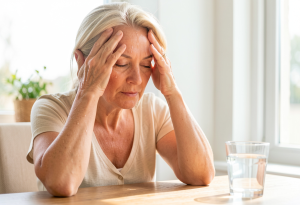
Why Menopause Can Lead to Dehydration
Hormonal changes during menopause, especially reduced estrogen levels, can affect how your body manages fluid balance and kidney function. This makes it easier to lose fluids and become dehydrated.
Hot flashes and night sweats are another major factor, as they increase fluid loss through perspiration. Over time, this can lead to low energy, headaches, or dry skin if hydration isn’t maintained.
Some women also notice a reduced sensation of thirst during menopause, which can make it easy to drink less water than the body needs unintentionally. Being mindful of hydration and incorporating water-rich foods into your diet can help counteract these effects.

Common Dehydration Symptoms During Menopause
Dehydration during menopause can manifest in several ways. Recognizing the symptoms early helps prevent more serious issues and keeps energy levels stable throughout the day. Common signs include:
- Dry mouth or lips
- Fatigue or low energy
- Headaches
- Dizziness or lightheadedness
- Dark yellow urine
Monitoring urine color and drinking water consistently can help maintain proper hydration.
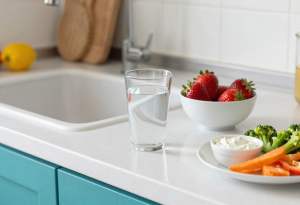
Hydration Tips for Menopause
Maintaining proper hydration during menopause is essential to support energy, reduce fatigue, and manage symptoms like hot flashes and brain fog. The following tips make it easier to stay consistently hydrated throughout the day:
| Tip | How to Apply | Notes |
|---|---|---|
| Drink water regularly | Carry a water bottle and sip throughout the day | Aim for at least 1.5–2 liters daily; adjust for activity and climate |
| Include hydrating foods | Cucumber, watermelon, strawberries, soups | Adds fluids, plus vitamins and fiber |
| Limit dehydrating drinks | Coffee, alcohol, sugary drinks | Replace some servings with water or herbal teas |
| Use electrolyte drinks occasionally | After heavy sweating | Choose low-sugar options to replenish electrolytes |
| Track intake | Use apps or habit trackers | Helps maintain consistent hydration, especially on busy days |
Pairing water intake with water-rich foods can improve hydration and overall well-being.

Snacks and Fluids That Help
Including water-rich foods and menopause-friendly snacks can support hydration while providing essential nutrients. These options are easy to prepare, portable, and perfect for keeping energy levels stable:
- Fresh Fruit Salad: Combine watermelon, pear, apple, kiwi, strawberries, and rockmelon for a hydrating, fiber-rich snack.
- Vegetable Sticks with Hummus: Carrot, celery, and cucumber sticks with a low-fat hummus dip; add a touch of garlic for flavor.
- Mini Frittata Muffins: Pre-made egg muffins in silicone cups provide protein and hydration support.
- Chocolate Oat Energy Balls: No-bake, portable, and perfect for a sweet snack that also supports hydration indirectly through fiber and protein.
Pairing these snacks with water or herbal teas helps maintain hydration throughout the day and supports overall menopause wellness.

FAQ
Can dehydration worsen hot flashes?
Yes. Low fluid levels can make hot flashes feel more intense and contribute to fatigue, dizziness, and overall discomfort. Staying consistently hydrated can help reduce the severity of these symptoms.
How much water should I drink during menopause?
Aim for at least 1.5–2 liters of water daily, though individual needs vary depending on activity level, climate, and diet. Drinking water regularly and pairing it with water-rich foods is key to maintaining proper hydration.
Are there signs of chronic dehydration?
Chronic dehydration may include persistent fatigue, dry skin, constipation, headaches, and urinary issues. If symptoms continue despite increased hydration, it’s important to consult a healthcare professional.
Can other drinks count toward hydration?
Yes, herbal teas, milk, and water-rich foods like fruits and vegetables contribute to your daily fluid intake, but water should remain your primary source.
Maintaining proper hydration is especially important during menopause to support overall health and reduce symptoms like fatigue and hot flashes. Mayo Clinic highlights that menopause can increase fluid loss due to hormonal changes, hot flashes, and night sweats, and recommends regular water intake and water-rich foods to maintain balance. WebMD emphasizes that monitoring hydration, including fruits and vegetables, and limiting dehydrating drinks are key strategies for supporting wellness during menopause.
