

Your liver is one of the most important organs in your body, yet many people don’t think about it until problems arise. Maintaining good liver health is essential for digestion, metabolism, energy production, and overall wellness.
The liver performs a variety of vital functions. It processes nutrients from the foods you eat, detoxifies harmful substances, stores energy, and produces bile to help digest fats. According to the Cleveland Clinic, a healthy liver is key to supporting your body’s natural defense systems and keeping your metabolism running smoothly.
Supporting your liver doesn’t mean expensive supplements or strict cleanses. By understanding what the liver does and making simple, everyday lifestyle choices, you can help it function optimally. In this article, we’ll explore the liver’s role in your body and share natural ways to support liver health for long-term wellbeing.

What the Liver Does
The liver is a powerhouse organ that performs hundreds of functions every day. It acts as your body’s natural filter, removing toxins and waste products from the blood. It also processes nutrients from the foods you eat, stores energy in the form of glycogen, and produces bile to help digest fats.
In addition to digestion, the liver plays a key role in metabolism, immunity, and hormone regulation. According to Mayo Clinic, keeping your liver healthy helps support energy levels, detoxification, and your body’s overall resilience.
Understanding what the liver does makes it easier to appreciate why taking care of it through diet, lifestyle, and healthy habits is so important.

Signs Your Liver May Need Support
Even a healthy liver can become overworked, and it often shows early signs when something isn’t right. Common indicators include fatigue, digestive issues, bloating, or yellowing of the skin and eyes. These can signal that your liver is struggling to process toxins or manage metabolism effectively.
Other signs may include unexplained weight changes, swelling in the legs or abdomen,dark urine, or persistent nausea. According to Harvard Health, noticing these early warning signs is important so you can take steps to support liver function before more serious problems develop.
Paying attention to subtle changes in your body and lifestyle can help you maintain liver health and overall wellness.

Foods and Nutrients That Support Liver Health
Eating the right foods is one of the most effective ways to support your liver naturally. Certain fruits, vegetables, proteins, and other nutrient-rich foods help the liver detoxify, reduce inflammation, and maintain overall function.
The table below highlights some of the best liver-friendly options:
| Food / Nutrient | How It Supports the Liver | Examples |
|---|---|---|
| Leafy Greens | High in antioxidants, supports detoxification | Spinach, kale, Swiss chard |
| Cruciferous Vegetables | Help increase liver enzymes and flush out toxins | Broccoli, cauliflower, Brussels sprouts |
| Berries | Rich in antioxidants, protect liver cells | Blueberries, strawberries, raspberries |
| Healthy Fats | Support liver cell function and reduce inflammation | Olive oil, avocados, nuts |
| Fiber-Rich Foods | Aid digestion and remove toxins efficiently | Whole grains, beans, lentils |
| Lean Protein | Provides essential amino acids for liver repair and metabolism | Chicken breast, turkey, lean fish (salmon, cod), eggs |
| Hydrating Foods & Water | Maintain liver function and flush toxins | Cucumbers, watermelon, and herbal teas |
According to the Cleveland Clinic, a balanced diet rich in these foods can improve liver function and overall wellness. Incorporating these nutrients into your daily meals supports liver health naturally without the need for extreme cleanses or detoxes.

Lifestyle Habits for a Healthy Liver
Diet is only part of the equation—your daily habits play a big role in keeping your liver healthy. Making small, consistent changes can help your liver function optimally and reduce the risk of long-term damage.
1. Limit alcohol and processed foods. Excess alcohol and heavily processed foods can stress the liver. Keeping these to a minimum helps your liver perform its detoxification duties efficiently.
2. Exercise regularly. Physical activity supports metabolism and promotes a healthy weight, both of which reduce strain on the liver. Even moderate exercises like walking, swimming, or yoga are beneficial.
3. Avoid unnecessary medications or toxins. Some medications and environmental toxins can put an extra burden on the liver. Always follow your healthcare provider’s instructions and limit exposure where possible.
4. Prioritize sleep and manage stress. Poor sleep and chronic stress can negatively affect liver function. Practices like meditation, deep breathing, and maintaining a consistent sleep schedule support liver health naturally.
Incorporating these lifestyle habits alongside a nutrient-rich diet gives your liver the best chance to stay healthy and support your overall wellness.
Supplements and Herbs That Can Help (With Caution)
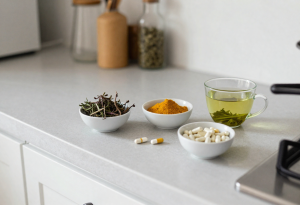
Certain supplements and herbs may support liver function, but it’s important to use them responsibly and consult a healthcare professional before starting anything new.
1. Milk Thistle. This herb contains silymarin, which research suggests may help protect liver cells and support detoxification. It’s one of the most widely studied liver-supporting herbs.
2. Turmeric. The active compound curcumin has anti-inflammatory properties and may help reduce liver inflammation. Adding turmeric to meals or taking it as a supplement can support liver health naturally.
3. Green Tea. Rich in antioxidants called catechins, green tea may help protect the liver from damage and promote healthy metabolism.
While these herbs and supplements can be helpful, they are not a substitute for a healthy diet and lifestyle. The Cleveland Clinic advises using supplements cautiously, especially if you have existing liver conditions or take other medications.

Frequently Asked Questions
1. How can I tell if my liver is healthy?
A healthy liver usually means steady energy, normal digestion, and no unexplained swelling or yellowing of the skin or eyes. Routine check-ups and blood tests are the most reliable way to assess liver function.
2. Can diet really improve liver function?
Yes. Eating nutrient-rich foods, staying hydrated, and avoiding excessive alcohol and processed foods can support liver health and improve overall liver function over time.
3. What foods should I avoid for liver health?
Highly processed foods, sugary drinks, excessive alcohol, and fried or fatty foods can stress the liver and should be limited.
4. Are liver detoxes or cleanses necessary?
No. Your liver naturally detoxifies your body every day. Supporting it with a balanced diet, hydration, and healthy habits is more effective than extreme cleanses.
5. How long does it take to improve liver health naturally?
Improvement depends on individual lifestyle and diet changes. Many people notice positive effects in a few weeks, while long-term habits help maintain optimal liver health.
According to expert health organizations, the liver plays a crucial role in keeping your body healthy by filtering toxins, producing bile for digestion, storing energy, and supporting metabolism. The Cleveland Clinic explains that a well-functioning liver is essential for energy balance and overall wellness. Johns Hopkins Medicine notes that the liver also helps regulate chemical levels in the blood and supports your immune system. Supporting your liver through a nutrient-rich diet, regular exercise, and limiting alcohol can help maintain its function and protect your overall health.
