
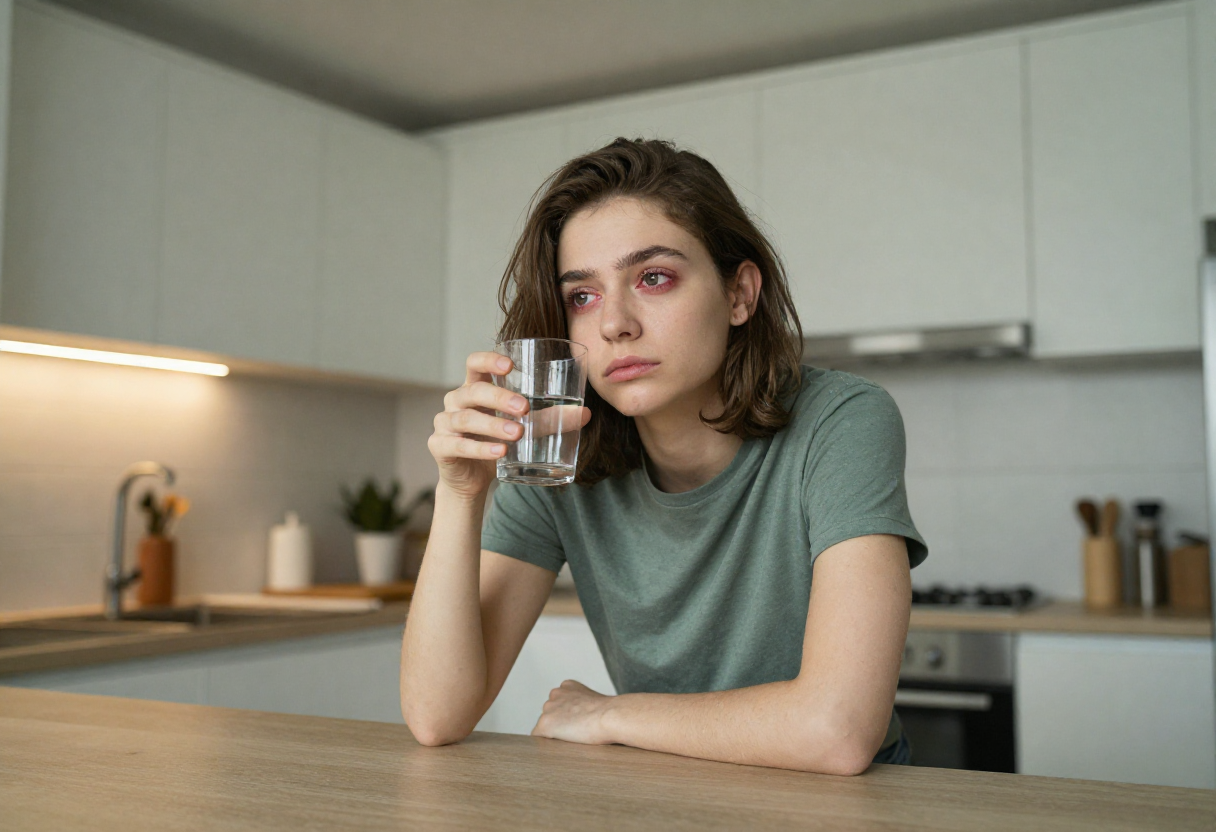
Alcohol and red eyes – This is a common sign that your body is dehydrated, your tear production is reduced, or your eyes are recovering from disrupted sleep. Many people notice redness, fatigue, or blurred vision the morning after drinking. Understanding why alcohol affects your eyes and following simple tips for hydration, rest, and nutrition can help restore clarity, reduce irritation, and support overall eye health.
The good news is that in many cases, these changes are reversible with simple lifestyle adjustments. Staying hydrated, resting your eyes, and supporting overall eye health can help restore clarity and reduce redness. For tips on keeping your eyes looking naturally bright, check out our guide on why eyes may not look white.
In this article, we’ll explore why alcohol affects your eyes, the most common symptoms, and practical ways to support eye health so your eyes stay clear, bright, and healthy.
Why Alcohol Makes Your Eyes Red, Tired, or Blurry
Alcohol can affect your eyes in several ways, both short-term and long-term. One of the most noticeable effects is redness, caused by dilated blood vessels from dehydration and irritation. Alcohol reduces the body’s fluid levels, which can make tiny veins in the eyes more visible, giving them a tired or bloodshot appearance.
In addition, alcohol can blur vision temporarily. It slows down eye coordination and focusing, making it harder for your eyes to track and adjust. Even moderate drinking can cause mild blurred or double vision for several hours after consumption.
Alcohol also contributes to eye fatigue. The combination of dehydration, disrupted sleep, and nutrient depletion can make your eyes feel heavy, dry, or strained, and reduce their natural brightness.
Managing these effects doesn’t require drastic changes — simple strategies like staying hydrated, limiting alcohol intake, and supporting overall eye health can make a noticeable difference. For more on how alcohol affects your body, see What Alcohol Does to the Liver.
How Hydration, Sleep, and Nutrition Can Help Your Eyes After Drinking
The good news is that the effects of alcohol on your eyes are often reversible with simple lifestyle habits.
Hydration: Alcohol dehydrates your body, which can make your eyes look red and tired. Drinking water before, during, and after alcohol consumption helps restore fluid balance and reduces eye dryness. Electrolyte-rich beverages can also support hydration more effectively.
Sleep: Alcohol disrupts your sleep quality, even if it helps you fall asleep faster. Poor sleep reduces eye repair and recovery, making redness and puffiness worse. Prioritizing 7–9 hours of quality sleep can help your eyes look brighter the next day.
Nutrition: Your eyes rely on nutrients like vitamin A, omega-3 fatty acids, vitamin C, and antioxidants to stay healthy. Eating nutrient-rich foods — leafy greens, carrots, citrus fruits, fatty fish, nuts, and seeds — supports eye clarity and overall eye health. For more on how alcohol affects your metabolism and weight, see Alcohol and Weight Loss.
With consistent attention to hydration, rest, and nutrition, you can reduce the tired, red, or blurry look in your eyes and restore a brighter, healthier appearance naturally.
How Alcohol Affects Tear Production and Hydration
Alcohol is a diuretic, which means it makes your body lose more fluids than usual. This dehydration doesn’t just affect your general health — it also impacts your eyes. Reduced fluid levels can lead to dry, irritated eyes because your tear glands don’t produce enough moisture to keep them lubricated.
When your eyes are dry, they become more prone to redness, itchiness, and a dull appearance. Even moderate drinking can cause these effects temporarily, while heavy or repeated alcohol use can make dry eyes a recurring problem.
Supporting hydration with water throughout the evening and replenishing electrolytes can help maintain proper tear production and reduce irritation. Adequate sleep also allows your eyes to repair and restore their natural moisture.
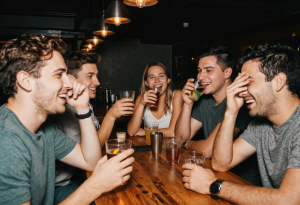
Short-Term Effects on Vision and Eye Appearance
After drinking alcohol, your eyes can show several short-term changes that affect both appearance and vision:
- Blurred Vision: Alcohol slows down eye coordination and focusing, making it harder to track objects or read clearly. Even moderate drinking can cause temporary blurred or double vision.
- Redness: Dilated blood vessels and reduced hydration make your eyes appear red or bloodshot, giving a tired or irritated look.
- Irritation and Dryness: Less tear production leads to dryness, itchiness, or a gritty sensation in the eyes.
These effects are usually temporary, but they can impact daily activities such as driving, working on screens, or reading. Supporting hydration, taking breaks, and getting enough rest can help reduce these short-term symptoms quickly.
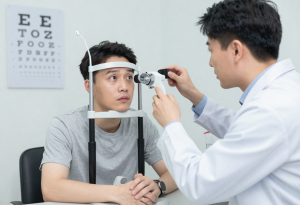
Long-Term Effects with Heavy Drinking
While moderate alcohol consumption usually causes temporary eye changes, heavy or chronic drinking can have long-term consequences for eye health:
- Optic Nerve Damage: Prolonged alcohol abuse can harm the optic nerve, potentially leading to vision loss or impaired visual processing.
- Eye Movement Changes: Chronic drinking may affect the coordination of eye muscles, causing difficulty tracking objects or mild double vision.
- Persistent Redness and Dryness: Long-term dehydration and nutrient deficiencies can make eyes chronically red, dry, or irritated.
These effects underline the importance of moderation and supporting overall eye health with hydration, sleep, and nutrient-rich foods. Early attention to eye changes can help prevent permanent damage.
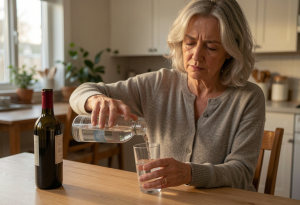
Simple Ways to Protect Your Eyes After Drinking
You don’t need drastic measures to reduce alcohol’s impact on your eyes — small, consistent habits can make a big difference:
1. Stay Hydrated
Drink water before, during, and after alcohol consumption. Replenishing fluids helps prevent dry, red eyes and supports tear production.
2. Prioritize Sleep
Alcohol can disrupt sleep quality. Aim for 7–9 hours of rest to allow your eyes to repair and recover naturally.
3. Take Breaks from Screens
Extended screen use can worsen dryness and fatigue. Regular breaks and adjusting lighting reduce strain.
4. Eat Nutrient-Rich Foods
Include leafy greens, carrots, fatty fish, nuts, and citrus fruits to provide vitamins and antioxidants that protect eye health.
5. Limit Heavy Drinking
Moderation is key. Reducing alcohol intake decreases long-term risk for eye fatigue, redness, and vision changes.
By combining hydration, rest, nutrition, and moderation, you can help your eyes stay bright, healthy, and less prone to irritation.

FAQ – Common Questions About Alcohol and Eye Health
1. Will my eyes look better the next day after drinking?
Yes, in most cases, hydration, rest, and proper nutrition help your eyes recover overnight. Mild redness and fatigue are usually temporary.
2. Can alcohol cause blurred vision?
Yes. Alcohol can slow eye coordination and focusing, which may lead to temporary blurred or double vision. These effects are usually short-term but can be worsened by heavy drinking.
3. How long does it take for red eyes from drinking to improve?
For most people, a few hours to a day with adequate water, sleep, and minimal screen strain is enough. Chronic redness may require moderation and eye care habits.
4. Are there long-term risks to my eyes from drinking?
Heavy, repeated alcohol consumption can cause optic nerve damage, impaired eye movement, and chronic dryness or irritation, making moderation essential.
5. Can nutrition really improve eye appearance after drinking?
Yes. Nutrient-rich foods like leafy greens, carrots, fatty fish, nuts, and citrus support eye health and protect against oxidative stress that affects eye clarity.
Alcohol can temporarily affect eye appearance by causing redness, dryness, and blurred vision. Medical News Today explains that alcohol reduces tear production and dilates blood vessels in the eyes, which can make them look tired or irritated. MedlinePlus Medical Encyclopedia notes that dehydration, nutrient deficiencies, and disrupted sleep all contribute to these short-term effects, and that supporting hydration, rest, and a nutrient-rich diet helps maintain eye clarity. Both sources highlight that while occasional alcohol-related changes are usually temporary, heavy or chronic drinking may have longer-term impacts on eye health, including persistent dryness or impaired vision.
