

Hidden allergens in your home can quietly affect your health without you even realizing it. While many people think of allergies as seasonal or outdoor problems, dust, pet dander, mold, and pollen can linger indoors and trigger symptoms like fatigue, headaches, respiratory issues, skin irritation, and difficulty sleeping. Even in a seemingly clean home, microscopic particles and spores can impact your well-being. Understanding these allergens in your home and taking simple steps to reduce exposure can improve your health, energy, and overall comfort.

Dust and Its Impact on Health
Dust is more than just a nuisance in your home — it’s one of the most common allergens in your home. It’s made up of tiny particles like skin cells, fibers, dirt, pollen, and other debris that can accumulate over time. Exposure to dust can trigger allergic reactions, worsen asthma, and even affect sleep quality. Fine dust particles can enter your lungs, causing inflammation, coughing, or sneezing.
Because dust settles on surfaces and in air vents, you’re exposed even when your home looks clean. Regular dusting with a damp cloth, vacuuming with a HEPA filter, and decluttering surfaces are simple yet effective ways to reduce dust exposure and improve indoor air quality.

Pet Dander – Love Them but Beware
Pets are loving companions, but they can contribute to allergens in your home. Pet dander consists of tiny skin flakes shed by animals, often mixed with fur and saliva. These microscopic particles can linger in the air and settle on furniture, bedding, and carpets, triggering allergic reactions even in people who aren’t officially “allergic.” Common symptoms include congestion, sneezing, itchy eyes, coughing, headaches, and fatigue.
To reduce exposure, groom pets regularly, wash their bedding often, and keep pets out of bedrooms. Using HEPA air purifiers in shared spaces and vacuuming floors and furniture frequently can help remove lingering particles. Even small adjustments like these can significantly reduce irritation caused by pet dander.
Mold – The Invisible Threat (Including White Mold)
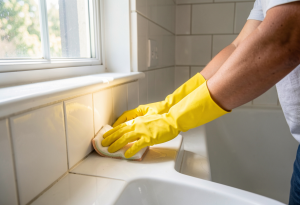
Mold is a type of fungus that thrives in damp, poorly ventilated areas such as bathrooms, kitchens, basements, or behind walls, and it’s a common source of allergens in your home. Mold releases tiny spores into the air that you can inhale without seeing them, potentially causing coughing, wheezing, congestion, skin irritation, headaches, and fatigue.
One common type is white mold, which often grows on wood, wallpaper, or ceiling tiles. Its light color allows it to blend in with surfaces, making it difficult to spot, but it can still produce spores that irritate your lungs and skin. Chronic exposure to mold, including white mold, can contribute to respiratory problems, worsen allergies, and affect overall energy levels.
To prevent mold, maintain indoor humidity between 40–50%, fix leaks promptly, and ensure proper ventilation in bathrooms and kitchens. Regularly inspect moisture-prone areas for water stains, musty odors, or discoloration. Professional mold remediation may be necessary if hidden mold is suspected to fully remove it and protect your health.
Pollen Indoors – Not Just Outside
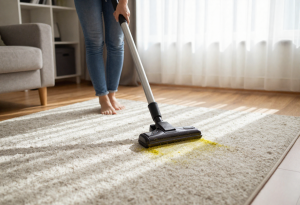
While pollen is usually associated with outdoor allergies, it can easily enter homes and become one of the common allergens in your home. Pollen sneaks in through open windows, doors, clothing, or pets. Once inside, it can settle on furniture, bedding, and carpets, continuing to irritate the respiratory system. Even small amounts can trigger sneezing, itchy eyes, congestion, headaches, or fatigue.
To reduce indoor pollen exposure, wash bedding regularly, vacuum floors, wipe surfaces, keep windows closed during high pollen seasons, and use air purifiers with HEPA filters. These simple steps can significantly lower your risk of allergic reactions and improve indoor air quality.
Lifestyle Tips to Reduce Allergens at Home
Even if you can’t eliminate all allergens in your home, practical strategies can make a big difference:
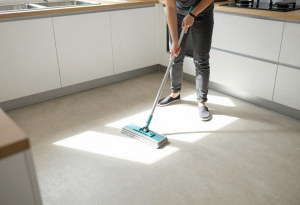
- Clean regularly: Dust, mop, and vacuum at least once a week, ideally with a HEPA-filter vacuum to trap fine particles.
- Air purification: Place HEPA air purifiers in bedrooms and living areas to remove airborne allergens.
- Control humidity: Keep indoor humidity around 40–50% to prevent dust mites and mold growth.
- Declutter: Reduce surfaces where dust and allergens can settle.
- Wash fabrics often: Bedding, curtains, and rugs can trap allergens; washing weekly helps.
- Pet management: Groom pets regularly, wash their bedding, and restrict access to bedrooms.
- Ventilate wisely: Open windows only when pollen counts are low or use filtered ventilation to bring in fresh air.
Following these steps consistently can significantly reduce indoor allergens and improve overall health and comfort.
FAQ – Managing Allergens in Your Home
Q: What are the most common indoor allergens?
The most frequent allergens in your home include dust, pet dander, mold, and pollen. Even if your home looks clean, microscopic particles and spores can trigger symptoms like congestion, sneezing, itchy eyes, headaches, or fatigue.
Q: How can I reduce allergens in my home?
Regular cleaning, decluttering, washing fabrics weekly, using HEPA-filter vacuums and air purifiers, controlling humidity, and grooming pets are all effective strategies to minimize allergens indoors.
Q: When should I seek professional help for allergens?
If symptoms persist despite cleaning and lifestyle adjustments, consult a healthcare professional or allergist for testing and targeted strategies. In some cases, professional mold inspections or indoor air quality testing may be necessary to uncover hidden allergens.
Allergens in your home—including dust, pet dander, mold, and pollen—can quietly impact your health, energy, and overall well-being. Taking intentional steps to reduce exposure, maintain clean and ventilated spaces, and improve indoor air quality can make a significant difference. Simple lifestyle changes, such as regular cleaning, using HEPA filters, controlling humidity, and grooming pets, can help you breathe easier, sleep better, and enjoy a healthier, more comfortable home. Research conducted by the Mayo Clinic shows that dust, pets, mold, and pollen are common indoor allergens that can trigger year-round allergy symptoms, and practical strategies like cleaning, vacuuming, and humidity control reduce exposure. Similarly, the Cleveland Clinic notes that dust mites, mold, and pet dander can worsen respiratory issues, and steps such as HEPA filtration, routine cleaning, and limiting allergen reservoirs are recommended to protect health.
