
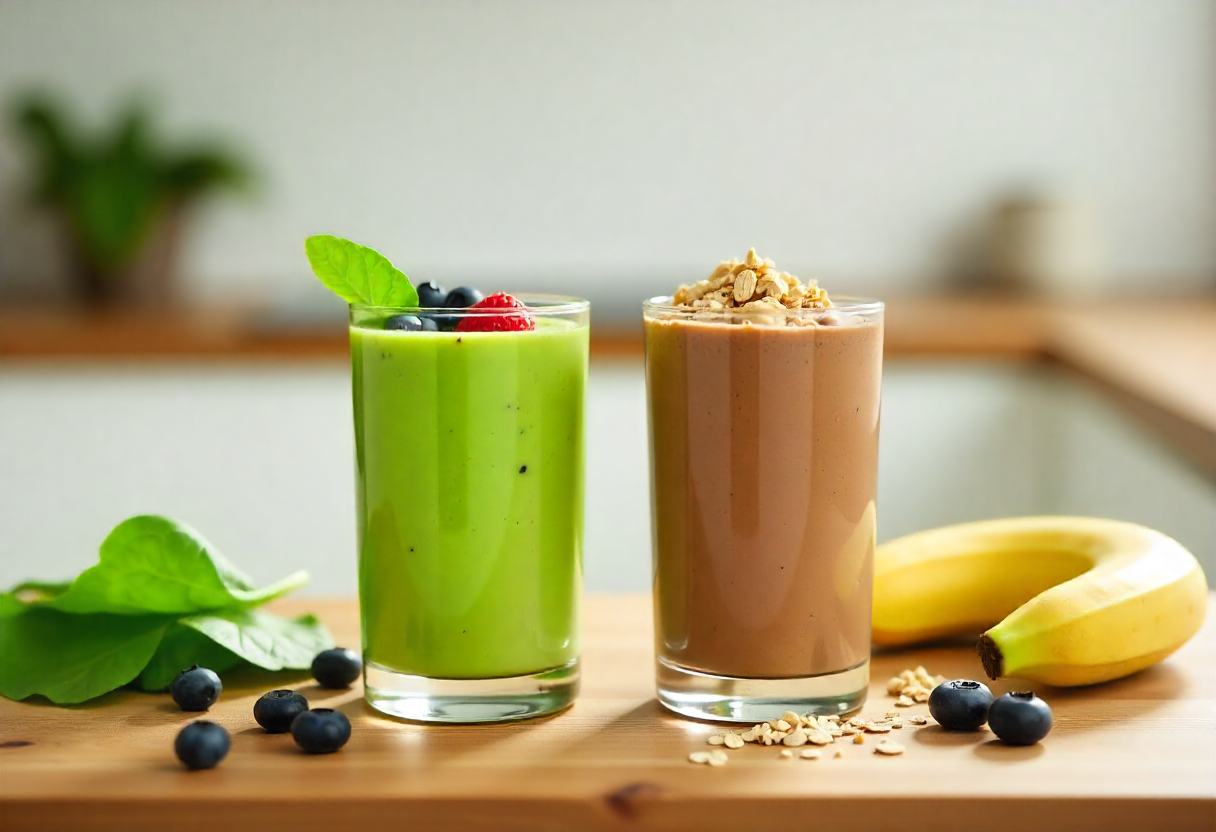
Smoothies are often marketed as the ultimate health food. They’re colourful, packed with fruit, easy to drink, and commonly associated with wellness, weight loss, and “clean eating.” Many people reach for a smoothie believing they’re making a nutritious choice, especially when they include ingredients like bananas, berries, spinach, or almond milk. But not all smoothies are created equal. Depending on what goes into them, smoothies can range from a nutrient-rich meal replacement to something that looks more like dessert in a cup. Understanding the calorie content, sugar load, portion size, and ingredient balance is essential if you want smoothies to actually support your health rather than quietly undermine it.
Why Smoothies Feel Healthier Than They Sometimes Are
Smoothies feel healthy because they’re made from foods we associate with wellness. Fruit, yogurt, milk alternatives, nut butters, seeds, and protein powders all sound nutritious on their own. The issue isn’t usually the ingredients themselves, but the combination, quantities, and lack of balance. Blending food changes how your body processes it. When you drink calories instead of chewing them, your brain receives weaker satiety signals. This means you can consume far more calories and sugar than you realise, without feeling as full as you would if you ate the same foods whole. Smoothies also remove the natural “brakes” on eating, such as chewing time and portion awareness, making it easy to overconsume even healthy ingredients.
The Calorie Difference Between Common Smoothie Bases
The base of your smoothie sets the foundation for its calorie content. Many people assume liquid bases are negligible, but they can contribute significant calories depending on the choice.
• Water or ice adds virtually zero calories and keeps smoothies light
• Unsweetened almond milk typically contains 30–50 calories per cup
• Unsweetened oat milk averages 90–120 calories per cup
• Coconut milk (carton) usually contains 40–80 calories per cup
• Full-fat dairy milk contains about 150 calories per cup
• Fruit juice can contain 100–150 calories per cup with little fiber
Using fruit juice as a base instantly pushes a smoothie closer to dessert territory. Juice lacks the fiber of whole fruit and delivers sugar rapidly, increasing blood sugar spikes and calorie density.
Fruit: Nutritious, But Easy to Overdo
Fruit is packed with vitamins, antioxidants, and fiber, but it also contains natural sugars and calories that add up quickly when blended.
Approximate calories per common smoothie fruits:
• Banana: 105 calories
• Mango (1 cup): 100 calories
• Pineapple (1 cup): 80 calories
• Blueberries (1 cup): 85 calories
• Strawberries (1 cup): 50 calories
• Apple (medium): 95 calories
A smoothie with a banana, mango, pineapple, and berries can easily contain 300–400 calories from fruit alone. While these calories are not “bad,” consuming several servings of fruit at once can spike blood sugar, especially if the smoothie lacks protein, fat, or fiber to slow digestion.
The Hidden Calorie Bombs That Turn Smoothies Into Dessert
This is where many smoothies quietly cross the line. Certain ingredients are extremely calorie-dense and are often added generously without measurement.
Common high-calorie smoothie add-ins:
• Nut butter (1 tablespoon): 90–100 calories
• Coconut oil (1 tablespoon): 120 calories
• Honey or maple syrup (1 tablespoon): 60–70 calories
• Dates (1 large): 65–70 calories
• Granola (¼ cup): 120–150 calories
• Chocolate protein powder: 120–200 calories per scoop
• Sweetened yogurt: 150–200 calories per serving
Individually, these ingredients can be part of a healthy diet. But when combined in one smoothie, they can easily push the total calorie count to 600–800 calories or more — similar to a milkshake or dessert, especially if the smoothie lacks enough protein or fiber to promote fullness.
Protein: The Difference Between a Meal and a Sugar Hit
Protein is often what determines whether a smoothie supports blood sugar balance or causes a crash. Without protein, smoothies digest quickly and leave you hungry again within an hour.
Approximate protein content of common additions:
• Greek yogurt (½ cup): 9–12 grams protein
• Protein powder (1 scoop): 15–25 grams protein
• Milk (1 cup): 8 grams protein
• Silken tofu (½ cup): 8–10 grams protein
• Hemp seeds (3 tablespoons): 10 grams protein
Smoothies with at least 20 grams of protein tend to promote satiety, stable energy, and better appetite control. Smoothies without adequate protein behave more like liquid sugar, even when made from whole foods.
Fiber: Why Whole Fruits Matter
Fiber slows digestion, supports gut health, and helps regulate blood sugar. While blending fruit preserves fiber, smoothies still digest faster than whole foods. Adding fiber-rich ingredients can make a big difference.
Fiber-rich smoothie additions:
• Chia seeds (1 tablespoon): 5 grams fiber
• Flaxseed (1 tablespoon): 3 grams fiber
• Oats (¼ cup): 4 grams fiber
• Berries: higher fiber than tropical fruits
• Leafy greens like spinach or kale
Smoothies low in fiber may taste refreshing but often lead to hunger soon after, encouraging overeating later in the day.
Store-Bought Smoothies vs Homemade
Many store-bought smoothies marketed as “healthy” contain surprising calorie counts. Some bottled smoothies range from 300 to 600 calories and contain as much sugar as a soda. Even smoothie bowls from cafes often exceed 700 calories due to large portions, sweetened bases, and heavy toppings. Homemade smoothies allow you to control portion size, ingredients, and balance, making them far more likely to support health goals.
When Smoothies Can Support Health Goals
Smoothies can be genuinely healthy when used intentionally. They work well as:
• A balanced breakfast with protein, fiber, and healthy fats
• A post-workout meal to replenish energy and protein
• A convenient way to increase vegetable intake
• A nutrient-dense meal replacement when solid food isn’t practical
In these cases, calorie density is appropriate because the smoothie replaces a full meal rather than acting as a snack.
When Smoothies Act More Like Dessert
Smoothies function more like dessert when they:
• Are fruit-heavy with little protein or fat
• Include sweeteners like honey, syrup, or juice
• Contain large amounts of nut butters, coconut, or granola
• Are consumed in addition to meals rather than replacing one
This doesn’t mean dessert-style smoothies are “bad,” but treating them as an occasional indulgence rather than a daily health habit is more realistic.
How to Build a Truly Healthy Smoothie
A balanced smoothie usually includes:
• A low-calorie liquid base (water or unsweetened milk)
• 1–2 servings of fruit
• At least one protein source
• A source of fiber or healthy fat
• Optional vegetables for added nutrients
Keeping total calories aligned with your needs is key. A healthy smoothie doesn’t need to be huge to be nourishing.
The Bottom Line Without the Guilt
Smoothies aren’t inherently healthy or unhealthy — they’re simply a format. What matters is what goes into them, how often you drink them, and whether they align with your overall diet and goals. A thoughtfully built smoothie can support energy, digestion, muscle repair, and nutrient intake. An unbalanced one can quietly deliver dessert-level calories and sugar while leaving you hungry soon after. Understanding the calorie content of different ingredients allows you to make informed choices without cutting out foods you enjoy. When you stop assuming all smoothies are healthy by default and start treating them like any other meal, they can become a powerful tool rather than a nutritional trap.
References
Harvard T.H. Chan School of Public Health – Smoothies, Fiber, and Added Sugars – https://www.hsph.harvard.edu
Cleveland Clinic – Are Smoothies Healthy? – https://health.clevelandclinic.org