
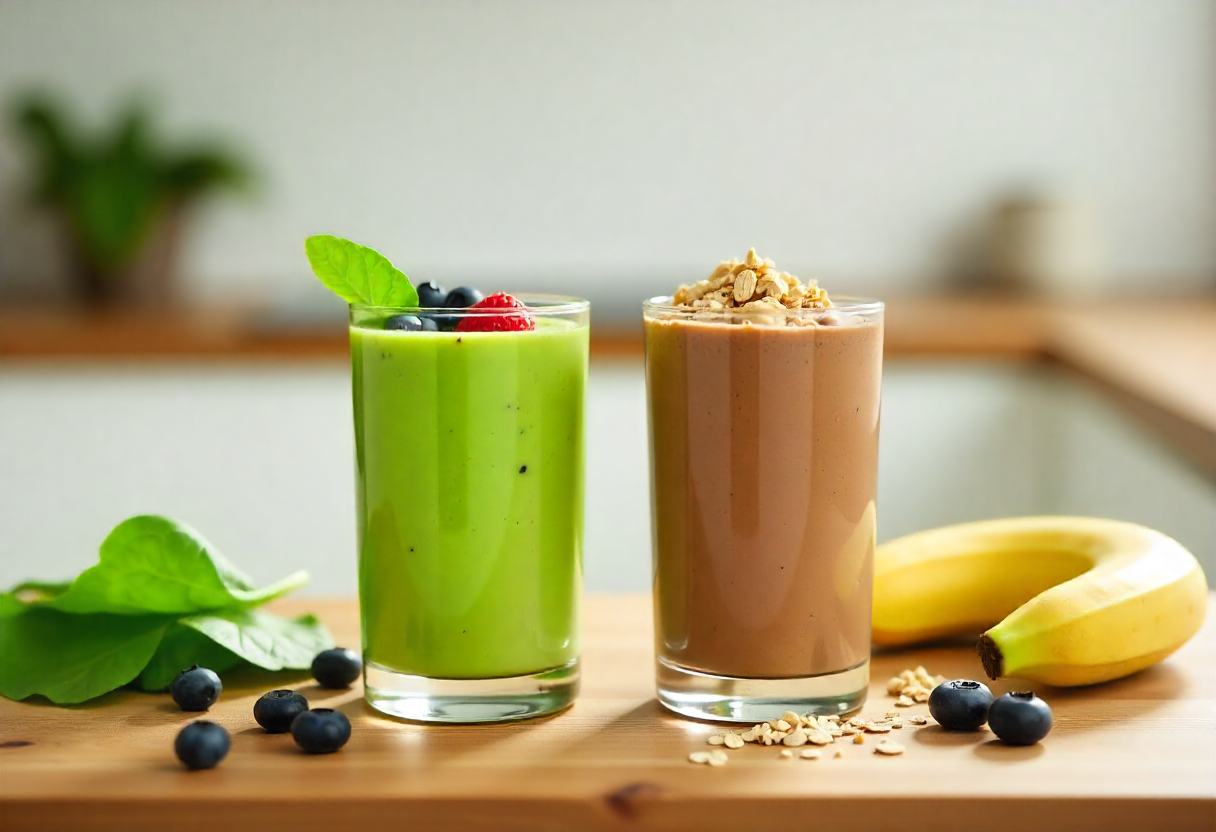
Are smoothies healthy? Many people see them as a quick, convenient way to get fruits and vegetables, but not all smoothies are created equal. Depending on the ingredients, a smoothie can be a nutrient-packed snack—or a high-sugar dessert in disguise.
Understanding what goes into a smoothie, how sugar and calories affect your body, and which ingredients support satiety can help you make smarter choices. In this article, we’ll break down smoothie nutrition, the hidden sugar factor, and practical tips for creating genuinely healthy smoothies.

What Makes a Smoothie Healthy?
Not all smoothies are automatically healthy. A smoothie’s nutritional value depends on ingredients, portion size, and balance of macronutrients. Choosing the right combination of fruits, vegetables, protein, fiber, and healthy fats can make a smoothie a convenient, nutrient-rich option.
Protein, Fiber, and Healthy Fats
Adding protein (like Greek yogurt, protein powder, or nut butter) and fiber (from fruits, vegetables, or oats) helps slow digestion, stabilize blood sugar, and keep you feeling full longer. Healthy fats, such as avocado or chia seeds, also support satiety and help the body absorb fat-soluble vitamins.
Fruit vs Vegetables
While fruit provides vitamins, minerals, and antioxidants, too much can add sugar and calories. Including vegetables like spinach, kale, or cucumber increases fiber and nutrients without spiking sugar content, making your smoothie more balanced.
Good vs Bad Smoothie Ingredients
| Ingredient Type | Good Choices | Ingredients to Limit |
|---|---|---|
| Fruits | Berries, apple, pear, citrus | Banana, mango, pineapple in large amounts |
| Vegetables | Spinach, kale, cucumber, zucchini | None — most veggies are good |
| Protein | Greek yogurt, protein powder, silken tofu | Flavored yogurts with added sugar |
| Fats | Avocado, nut butter, chia seeds | Sweetened nut spreads, coconut cream |
| Sweeteners | Stevia, monk fruit, dates (small amounts) | Honey, agave, syrup, sugar |

The Sugar Factor: When Smoothies Become Dessert
Even though smoothies contain natural sugars from fruit, some can be surprisingly high in sugar and calories—turning a seemingly healthy drink into more of a dessert. Smoothies made with sweetened yogurts, fruit juice, or large portions of high-sugar fruits can cause blood sugar spikes and leave you feeling hungry sooner.
Understanding sugar content and how it affects your body is key to making smoothies that are truly beneficial.
Examples of High-Sugar Smoothies
| Smoothie Type | Typical Sugar Content | Why It Can Be Problematic |
|---|---|---|
| Tropical fruit smoothie (mango, pineapple, banana) | 40–60g | High sugar, rapid blood sugar spike |
| Store-bought fruit smoothie (sweetened yogurt + juice) | 45–70g | Added sugars, low fiber balance |
| Dessert-style smoothie (ice cream, chocolate syrup) | 50–80g | Very high sugar, low nutrient density |
Tip: A healthy smoothie typically contains 15–25g of natural sugar, mostly from fruit, balanced with protein, fiber, and healthy fats.

How to Make a Healthy Smoothie
Creating a genuinely healthy smoothie is about balancing nutrients, limiting added sugars, and including ingredients that support satiety. Small changes can turn a high-calorie, sugary drink into a nutrient-packed snack.
Ingredient Swaps for Lower Sugar and More Nutrients
| Component | Common High-Sugar Option | Healthier Swap | Benefits |
|---|---|---|---|
| Fruit | Banana, pineapple, mango (large portions) | Berries, green apple, kiwi | Lower sugar, high fiber, antioxidant-rich |
| Protein | Flavored yogurt, sweetened protein powders | Greek yogurt, unsweetened protein powder, silken tofu | Supports fullness, stabilizes blood sugar |
| Sweeteners | Honey, agave syrup, syrups | Stevia, monk fruit, dates (small amounts) | Fewer added calories, minimal blood sugar impact |
| Fats | Coconut cream, sweetened nut spreads | Avocado, chia seeds, almond butter | Supports satiety, vitamin absorption |
| Liquid Base | Fruit juice, sweetened almond milk | Water, unsweetened nut milk, coconut water | Reduces extra sugar and calories |
Portion Control Tips
- Keep smoothies to 8–12 ounces to avoid excess calories.
- Include at least 1–2 servings of vegetables for fiber.
- Use protein and healthy fats to slow digestion and maintain fullness.
By following these swaps and tips, your smoothies can be nutrient-rich, satisfying, and lower in sugar, making them a healthy addition to your diet rather than a hidden dessert.

Smoothies and Weight Management
Smoothies can be a helpful tool for weight management when made thoughtfully. When balanced with protein,fiber, and healthy fats, they can keep you full between meals and reduce unhealthy snacking. However, smoothies that are high in sugar and calories may contribute to weight gain instead of supporting weight loss.
Tips for using smoothies in a weight-conscious way:
- Keep portion sizes moderate (8–12 ounces).
- Prioritize protein and fiber to promote satiety.
- Limit high-sugar fruits and avoid sweetened yogurts or juices.
- Consider smoothies as a meal replacement only when they contain enough protein, fiber, and healthy fats.
By choosing ingredients carefully, smoothies can support healthy weight management rather than sabotage it.

Pros and Cons of Smoothies
Smoothies can be a convenient and tasty way to get nutrients, but they also have potential drawbacks depending on the ingredients. Presenting them in a table makes it easy to see the benefits and risks at a glance.
| Pros | Cons |
|---|---|
| A quick and convenient way to consume fruits and vegetables | Can be high in sugar and calories if not balanced |
| Can provide protein, fiber, and healthy fats | May not be filling enough without protein/fiber, leading to snacking |
| Hydrating and nutrient-dense when made with water, unsweetened milk, or vegetables | Store-bought or pre-made smoothies often contain added sugars |
| Easy to customize for taste preferences and dietary needs | Overconsumption can contribute to weight gain |
| Can support digestion when using ingredients like yogurt, kefir, or chia seeds |

FAQ: Smoothies Explained
Q1: Are smoothies good for weight loss?
Smoothies can support weight management when they contain protein, fiber, and healthy fats. Portion control and balanced ingredients are key—high-sugar smoothies may hinder weight loss.
Q2: Do smoothies spike blood sugar?
Yes, smoothies high in fruit or added sugars can cause blood sugar spikes. Including vegetables, protein, and healthy fats helps slow digestion and reduce sugar impact.
Q3: Are green smoothies healthier than fruit smoothies?
Green smoothies that include vegetables, fiber, and protein tend to be lower in sugar and higher in nutrients, making them a better choice than fruit-only smoothies with high sugar content.
Q4: How often should I drink smoothies?
Moderation is important. Enjoying smoothies 1–2 times per day is reasonable if they are balanced and part of a varied diet. Using them as a meal replacement works best when they provide protein, fiber, and fats.
Smoothies can be a nutritious way to increase your intake of fruits and vegetables when they’re made thoughtfully, but they can also be high in calories and sugar depending on the ingredients. According to Harvard Health Publishing, smoothies and juices can provide helpful servings of produce, but it’s important to watch for added sugars and calories in smoothies and include them as part of your overall daily food intake rather than assume they’re always healthy. The Mayo Clinic notes that while smoothies can be a convenient way to get “a lot of good fruits and vegetables,” too much of the wrong ingredients—like added sugar or juice bases—can tip a smoothie from nutritious snack to calorie‑dense drink, so balance with protein and healthy fats is key
