

Clean eating is about making your meals as whole, natural, and nutrient-dense as possible — without overcomplicating your life. It’s not about strict rules or cutting out entire food groups, but about choosing foods that fuel your body, support your energy, and improve overall wellbeing.
For beginners, the idea can feel overwhelming — where do you start, what’s “clean,” and how do you make it sustainable? The good news is that small, practical changes can have a big impact. By focusing on whole foods, balanced meals, and mindful choices, you can build habits that last, feel enjoyable, and actually support your health.
In this article, we’ll break down what clean eating really means, practical steps for beginners, and how to make it a sustainable lifestyle, all without feeling restricted or deprived.
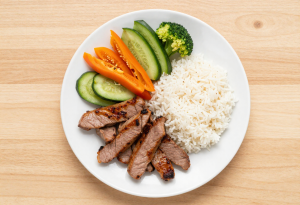
Why Clean Eating Matters
Eating clean isn’t just a trendy term — it’s a way to support your body with real, nutrient-dense foods while reducing reliance on heavily processed meals. By focusing on whole foods like vegetables, fruits, lean proteins, and whole grains, you provide your body with essential vitamins, minerals, and fiber, which help:
- Boost energy and focus throughout the day
- Support digestion and gut health
- Maintain a healthy weight naturally
- Reduce reliance on added sugars, salt, and unhealthy fats
Clean eating also encourages mindful eating habits. Paying attention to what and how you eat can help prevent overeating, improve your relationship with food, and make your nutrition choices more intentional.
Starting clean eating doesn’t require perfection — even small daily changes can improve overall well-being over time.

Core Habits for a Clean Eating Lifestyle
Building a clean eating lifestyle is easier than it sounds if you focus on simple, consistent habits. Here are the key practices to get started:
Choose Whole, Unprocessed Foods
- Opt for fresh vegetables and fruits instead of canned or packaged alternatives.
- Choose whole grains like brown rice, oats, and quinoa.
- Select lean proteins such as chicken, fish, eggs, beans, and legumes.
- Limit heavily processed foods high in added sugars, salt, and unhealthy fats.
Make Your Plate Balanced and Colorful
- Aim for a variety of colors and textures — it ensures a range of nutrients.
- Fill half your plate with vegetables, one-quarter with protein, and one-quarter with whole grains.
- Include healthy fats like avocado, nuts, seeds, or olive oil in moderation.
Hydrate and Listen to Your Hunger
- Drink plenty of water throughout the day — hydration supports digestion and metabolism.
- Eat mindfully: pay attention to hunger cues and avoid eating out of habit or boredom.
- Small, consistent meals help stabilize energy levels and reduce cravings.
By focusing on these core habits, clean eating becomes a flexible, manageable part of daily life rather than a strict, restrictive diet.

How Clean Eating Supports Health
Eating clean isn’t just about choosing the right foods — it’s about helping your body function at its best every day. Focusing on whole, nutrient-rich foods can:
- Enhance vitality: Fuel your body with steady energy and prevent mid-day slumps.
- Promote digestive wellness: High-fiber vegetables, fruits, and grains keep your digestive system moving smoothly.
- Support natural weight management: Balanced meals help control cravings and portion sizes.
- Strengthen overall resilience: Nutrient-dense meals can support your immune system and long-term wellbeing.
- Improve mental clarity: Consuming whole foods can help your focus, mood, and cognitive performance.
Even small adjustments, like swapping refined grains for whole grains or adding more vegetables to your meals, gradually improve your health and make clean eating a sustainable lifestyle choice.

Easy Tips to Get Started
Starting clean eating doesn’t have to be complicated. By making small, manageable changes, you can gradually build healthy habits that last.
Shopping Tips for Beginners
- Plan your meals ahead of time to avoid impulse buys.
- Stick to the perimeter of the grocery store where fresh produce, lean proteins, and whole foods are usually located.
- Read labels carefully to avoid added sugars, unhealthy fats, and preservatives.
Simple Meal Prep Ideas
- Prepare vegetables and proteins in advance for quick, ready-to-eat meals.
- Batch-cook grains like brown rice or quinoa at the start of the week.
- Use versatile ingredients that can be combined in different meals to prevent boredom.
Flexible Approaches — Avoid “Perfection”
- Don’t stress about occasional indulgences — clean eating is about balance, not restriction.
- Focus on progress, not perfection. Even one or two clean meals per day make a difference.
- Experiment with different recipes and flavors to keep meals enjoyable.
By following these tips, clean eating becomes practical, realistic, and sustainable, setting you up for long-term success.

Common Myths About Clean Eating
Clean eating comes with a lot of misconceptions that can make it seem intimidating. Understanding the truth behind these myths makes it easier to adopt a sustainable lifestyle:
-
Myth 1: You Must Cut Out All Carbs
Clean eating doesn’t mean avoiding carbohydrates entirely. Focus on whole grains, fruits, and vegetables, which provide energy, fiber, and essential nutrients. -
Myth 2: Only Organic Foods Count
While organic options can be beneficial, eating fresh, minimally processed foods — whether conventional or organic — is what truly matters for health. -
Myth 3: Clean Eating Is Expensive
Planning meals, buying seasonal produce, and using pantry staples like beans, rice, and frozen vegetables can make clean eating affordable and practical. -
Myth 4: You Have to Be Perfect
Clean eating is about making better choices most of the time, not perfection. Small, consistent changes are what create lasting habits.
By dispelling these myths, clean eating becomes approachable, flexible, and realistic — anyone can start making small, positive changes today.
Expert Insights on Clean Eating
Nutrition experts agree that clean eating is more about patterns than perfection. According to Harvard T.H. Chan School of Public Health, focusing on a variety of whole foods — vegetables, fruits, whole grains, and lean proteins — is key to long-term health. Research from the American Heart Association emphasizes that meals rich in nutrients, fiber, and healthy fats support cardiovascular health, stable energy levels, and weight management.
By prioritizing these evidence-based habits, beginners can adopt a flexible and sustainable approach to clean eating, rather than following overly restrictive diets or fad trends. Small, consistent choices add up over time, helping you build a healthy lifestyle that lasts.
