

Sitting at a desk for hours each day can take a serious toll on your body. If you often feel stiff, sore, or notice tension in your back and neck, desk exercises for back pain can provide immediate relief and improve your overall mobility. These simple stretches and movements are designed to target the muscles that get tight from prolonged sitting, helping you maintain proper posture, reduce discomfort, and prevent long-term pain.
Whether you work from home, in an office, or at a standing desk, incorporating a few targeted desk exercises into your day can make a noticeable difference. Not only do these movements ease stiffness, but they also increase circulation, activate your core, and help you feel more energized — all without leaving your workstation.
In this post, we’ll show you easy, effective desk stretches for mobility that anyone can do, explain why they work, and offer tips to integrate them into your daily routine to reduce back and neck pain.

Why Sitting All Day Causes Back Pain
Long hours at a desk can put a surprising amount of strain on your body. When you sit for extended periods, your hip flexors tighten, your glutes weaken, and your spine can lose its natural alignment. This combination often leads to stiffness, tension, and discomfort in the lower and upper back.
Poor posture, slouching, or leaning forward toward your computer can exacerbate the problem, putting extra pressure on your neck and shoulders. Reduced blood circulation from prolonged sitting also contributes to muscle fatigue and soreness, making it harder for your body to recover throughout the day.
Even if you don’t feel immediate pain, sitting for long periods can gradually cause chronic discomfort and postural issues. This is why incorporating desk exercises for back pain into your routine is essential — small, consistent movements can counteract the effects of sitting and prevent long-term problems.
How Desk Exercises Improve Mobility and Posture
Adding desk exercises for back pain to your daily routine can make a big difference in how your body feels. These movements help restore proper spinal alignment, strengthen key muscles, and increase blood circulation — all of which combat stiffness from prolonged sitting.
Targeted stretches engage your back, shoulders, and core, helping to reduce tension and improve overall posture. Even short sessions of 5–10 minutes throughout the day can help prevent muscle tightness, relieve neck and upper back discomfort, and promote greater flexibility.
By regularly performing these exercises, you signal to your body that movement is part of your routine, which encourages better posture habits even when you’re seated. Over time, this not only reduces pain but also supports long-term spinal health and mobility, making your workday more comfortable and productive.
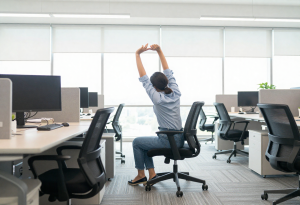
7 Desk Exercises for Back Pain Relief
These desk exercises for back pain are quick, effective, and can be done without leaving your workstation. Aim to do a few throughout the day to keep your muscles active and reduce stiffness.
- Seated Spinal Twist
Sit tall in your chair with feet flat on the floor. Place your right hand on the back of the chair and gently twist your torso to the right. Hold for 15–20 seconds, then switch sides. This stretch helps relieve tension in your lower back and improves spinal mobility. - Neck Stretch
Sit upright and gently tilt your head to the right, bringing your ear toward your shoulder. Hold for 15 seconds, then switch sides. Repeat 2–3 times. This eases stiffness in your neck and shoulders caused by a forward-leaning posture. - Shoulder Blade Squeeze
Sit with your back straight, squeeze your shoulder blades together, and hold for 5 seconds. Repeat 10 times. This strengthens the upper back muscles and encourages better posture. - Seated Cat-Cow Stretch
Sit at the edge of your chair, place your hands on your knees. On inhale, arch your back and lift your chest (cow), on exhale, round your spine and tuck your chin (cat). Repeat 8–10 times to mobilize the spine and stretch the back. - Standing Hamstring Stretch
Stand up, extend one leg forward with the heel on the floor, and gently hinge at your hips toward your toes. Hold for 20 seconds per leg. This helps release tight hamstrings, which can affect lower back posture. - Hip Flexor Stretch
Stand and take a small step back with your right foot. Bend your left knee slightly and push your hips forward gently. Hold 20–30 seconds, switch legs. This stretch counteracts tight hip flexors from prolonged sitting. - Calf Raises
While standing, lift your heels off the floor and hold for 2–3 seconds, then lower. Repeat 15–20 times. This simple exercise improves circulation and reduces leg fatigue from sitting.

How Often Should You Do Desk Stretches?
Consistency is key when it comes to desk exercises for back pain. Incorporating short movement breaks throughout your day can prevent stiffness, improve posture, and reduce discomfort before it becomes chronic.
Aim to take a micro-break every 45–60 minutes. Even just 3–5 minutes of targeted stretches or movements can re-activate muscles, boost circulation, and relieve tension in your back, neck, and shoulders.
For a more structured approach, consider a 5–10 minute mobility routine at the start, middle, or end of your workday. Combining seated stretches with standing movements, like hip flexor or hamstring stretches, ensures that your body stays engaged and aligned.
Over time, these consistent habits will make it easier to maintain good posture, reduce pain, and feel more energized during long periods of sitting. Small, regular efforts are far more effective than occasional long workouts at combating desk-related discomfort.
When Back Pain May Need Medical Attention
While desk exercises for back pain are safe and effective for most people, it’s important to recognize when discomfort could indicate something more serious. You should consult a healthcare professional if you experience:
- Persistent or worsening back pain that doesn’t improve with stretches or movement
- Numbness, tingling, or weakness in your arms or legs
- Pain that radiates down your legs or causes difficulty walking
- Loss of bladder or bowel control
These symptoms may signal underlying conditions such as herniated discs, pinched nerves, or other spinal issues that require professional evaluation. Using desk stretches as a preventative measure is excellent, but they are not a replacement for medical care if serious warning signs appear.
Even if your back pain is mild, it’s always a good idea to check with your doctor before starting any new exercise routine, especially if you have pre-existing conditions. Staying proactive with desk exercises helps reduce risk while promoting long-term spinal health.
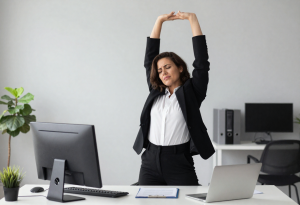
Putting Desk Exercises Into Your Daily Routine
Incorporating desk exercises for back pain into your workday doesn’t have to be complicated. Even a few minutes of stretching and movement multiple times a day can reduce stiffness, improve posture, and boost energy levels. The key is consistency — small, regular habits are far more effective than occasional long workouts or sporadic effort.
Creating reminders, such as setting a timer every hour or scheduling short movement breaks, can help you stick to your routine. Pairing these exercises with proper ergonomics, like an adjustable chair, monitor at eye level, and feet flat on the floor, further enhances their effectiveness.
Over time, these practices can help you feel more comfortable at your desk, reduce tension in your back and neck, and prevent long-term pain. By making desk stretches and mobility exercises part of your daily life, you’re investing in both your physical and mental well-being.
According to Mayo Clinic, regular stretching and strengthening exercises can reduce back pain, improve flexibility, and support better posture for people who sit for long periods
