
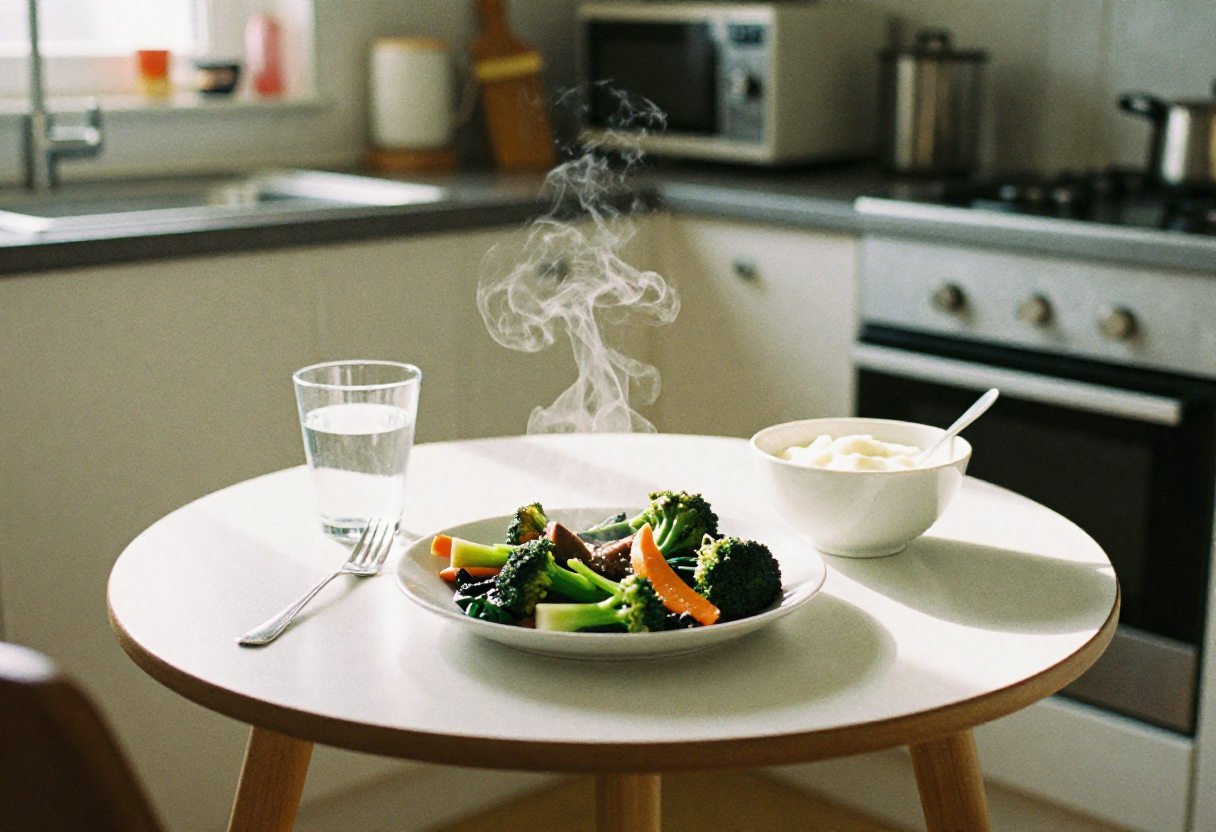
What to eat after overeating is something many people search for after a big meal leaves them feeling bloated, sluggish, or uncomfortable. Whether it was a celebration, a weekend indulgence, or simply larger portions than usual, overeating happens — and it doesn’t mean you’ve failed.
The good news is you don’t need to detox, skip meals, or punish yourself the next day. Choosing the right foods can help reduce bloating, support digestion, and gently reset your energy levels.
Instead of extreme restriction, the key is eating foods that are easy to digest, hydrating, and nourishing for your gut. The day after overeating isn’t about undoing damage — it’s about helping your body recover naturally.
In this guide, you’ll learn exactly what to eat after overeating to reduce bloat, support digestion, and feel balanced again without creating a restrict-and-binge cycle.

Start With Hydration
After overeating, one of the simplest and most effective things you can do is rehydrate. Eating large or salty meals can lead to temporary water retention and digestive sluggishness, which often makes bloating feel worse.
Drinking water helps your body process sodium, supports normal digestion, and encourages natural elimination. While it might feel counterintuitive when you’re bloated, proper hydration actually helps reduce that heavy, puffy feeling.
Start your morning with a large glass of water before coffee. Warm water can feel especially soothing on the stomach. Throughout the day, sip consistently rather than chugging large amounts at once.
Herbal teas can also support digestion. Peppermint tea may help ease gas and bloating, while ginger tea can support stomach emptying and reduce nausea. These gentle options can make a noticeable difference when your digestive system feels overloaded.
If your overeating included high-salt or high-sugar foods, adding electrolyte-rich fluids (without excess sugar) can help restore balance.
The goal isn’t to “flush out” food — it’s to support your body’s natural recovery processes in a calm, balanced way.
If you’re unsure whether bloating may also be linked to low fluid intake, read our guide on 10 Signs of Dehydration and What to Do to understand how dehydration can affect your body and digestion.
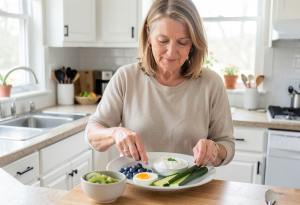
Best Foods to Eat After Overeating
When deciding what to eat after overeating, focus on foods that are light, easy to digest, and supportive of gut function. The aim is not to eat less — it’s to eat smarter so your digestion can settle and your bloating can reduce naturally.
1. Gentle, Low-Fibre Fruits
Some fruits are easier on digestion than others after a heavy meal.
Best options:
- Bananas – Soft texture, easy to digest, and rich in potassium, which may help balance sodium from salty foods.
- Papaya – Contains papain, a natural enzyme that helps break down protein.
- Blueberries – Lower in sugar than many fruits and rich in antioxidants.
- Strawberries – Hydrating and lighter on the stomach.
- Kiwi fruit – Contains actinidin, an enzyme that may support digestion.
Stick to one portion (about one cup) rather than large fruit bowls, which can increase bloating.
2. Cooked (Not Raw) Vegetables
After overeating, raw salads can sometimes worsen bloating because they’re high in insoluble fibre. Cooking vegetables softens fibre and makes them easier to digest.
Good choices include:
- Zucchini
- Carrots
- Spinach
- Pumpkin
- Green beans
Light steaming, roasting, or sautéing with minimal oil works best.
3. Broths and Light Soups
Vegetable or bone broth provides hydration, sodium balance, and warmth — all helpful when your stomach feels heavy. Warm liquids can stimulate digestion gently without overwhelming your system.
Choose simple soups without cream or excessive fat.
4. Lean Protein (In Moderate Portions)
After a heavy eating day, your body doesn’t need another large meal — but it still needs protein to stabilize blood sugar and prevent rebound hunger.
Gentle options:
- Eggs (boiled or poached)
- Plain Greek yogurt
- Grilled chicken breast
- Tofu
Keep portions moderate (about palm-sized).
5. Probiotic Foods (If Tolerated)
Probiotic foods contain beneficial bacteria that support gut balance.
If you’re unfamiliar with them:
- Kefir – A fermented milk drink similar to thin yogurt, containing live cultures.
- Sauerkraut – Finely shredded cabbage that has been fermented naturally. Choose refrigerated varieties with live cultures.
- Natural yogurt with live cultures – Check the label for “live and active cultures.”
Start with small amounts (1–2 tablespoons for fermented vegetables) if you’re not used to them.
Quick Reference Table
| Food | Typical Serving | Approx Calories | Why It Helps After Overeating |
|---|---|---|---|
| Banana | 1 medium | ~105 kcal | Potassium may help reduce water retention |
| Blueberries | 1 cup | ~85 kcal | Antioxidants + moderate fibre |
| Kiwi | 1 medium | ~45 kcal | Contains digestive enzymes |
| Steamed zucchini | 1 cup | ~20 kcal | Gentle fibre, easy digestion |
| Greek yogurt (plain) | ¾ cup | ~100 kcal | Protein + probiotics |
| Vegetable broth | 1 cup | ~15 kcal | Hydrating and soothing |
| Egg | 1 large | ~70 kcal | Light protein source |
(Calories are approximate and vary by brand and portion size.)
Support Digestion with a Supplement 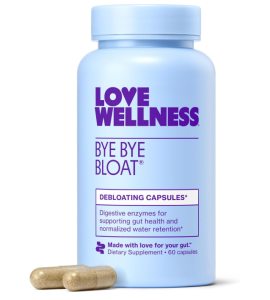
For extra digestive support, some people find digestive enzyme supplements helpful after a heavy meal. These enzymes help break down carbohydrates, proteins, and fats more efficiently, which may reduce bloating and make digestion easier.
Supplements can be taken with lighter meals or snacks to support your digestive system throughout the day. If you’re interested in trying a product like Bye Bye Bye Bloat, make sure to follow the instructions and check that it aligns with your dietary needs.
⚠️ Note: Supplements are optional and should complement, not replace, balanced foods and hydration.
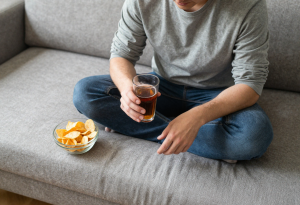
What to Avoid the Day After Overeating
Knowing what to eat after overeating is important — but knowing what to avoid can make just as much difference in reducing bloating and discomfort.
The day after a heavy meal is not the time for extremes. Certain foods and habits can worsen bloating, slow digestion, or trigger another cycle of overeating.
1. Skipping Meals
It might feel logical to “compensate” by not eating the next day, but skipping meals can:
- Disrupt blood sugar levels
- Increase cravings later in the day
- Trigger another overeating episode
- Slow digestion further
Instead of fasting out of guilt, aim for lighter, balanced meals spaced throughout the day.
2. Very High-Salt Foods
Salty foods increase temporary water retention, which can worsen that puffy, bloated feeling.
Try to limit:
- Processed snacks
- Takeaway meals
- Packaged soups
- Processed meats
Hydration plus moderate sodium intake helps your body rebalance naturally.
3. Highly Processed or Sugary Foods
After overeating, your digestive system may already feel overloaded. Adding more refined sugar or ultra-processed foods can:
- Increase inflammation
- Cause blood sugar spikes and crashes
- Lead to energy dips
- Worsen bloating
Choose whole foods instead of packaged snacks or desserts.
4. Carbonated Drinks
Sparkling water and soft drinks introduce extra gas into your digestive system, which can increase bloating and abdominal pressure.
If you enjoy bubbles, wait until your digestion feels settled before reintroducing them.
5. Large Portions (Even of Healthy Foods)
Even healthy foods can worsen discomfort if portions are too large. The day after overeating, smaller, more moderate meals are easier for your body to process.
Think gentle reset — not restriction, not another feast.
6. Intense “Detox” Measures
Avoid extreme cleanses, laxatives, or aggressive detox products. Your liver and digestive system already know how to process excess food — they just need time and supportive habits like hydration, balanced meals, and light movement.

Smart Meal Timing & Gentle Movement
After a day of overeating, when and how you eat can be just as important as what you eat. Proper timing and gentle activity help your digestion, reduce bloating, and restore energy without added stress.
1. Eat Smaller, Balanced Meals
- Instead of skipping meals, aim for lighter, more frequent meals every 3–4 hours.
- Focus on gentle proteins, cooked vegetables, and easy-to-digest carbohydrates.
- Keep portions moderate — think “half your usual plate size” rather than a full meal.
-
Avoid large snacks or heavy meals late in the evening, which can worsen bloating and disrupt sleep.
2. Include Gentle Movement
Light activity can improve digestion and reduce abdominal discomfort:
- Short walks after meals (10–15 minutes) help food move through the digestive system.
- Gentle stretching or yoga supports gut motility and eases tension.
- Avoid high-intensity exercise right after a large meal — it can increase nausea or bloating.
Movement isn’t about burning calories — it’s about helping your body process the extra food comfortably.
3. Prioritize Sleep
Good quality sleep helps regulate digestion, metabolism, and hunger hormones. After overeating:
- Aim for a consistent sleep schedule.
- Avoid eating right before bed.
- Keep your bedroom cool, dark, and comfortable.
A well-rested digestive system is better equipped to handle extra intake and prevent residual bloating the next day.
Frequently Asked Questions (FAQs)
1. Can I skip meals after overeating?
Skipping meals may seem like a quick fix, but it can disrupt blood sugar and trigger stronger cravings later. Instead, focus on smaller, balanced meals throughout the day to support digestion.
2. Which drinks help reduce bloating after overeating?
Water and herbal teas like peppermint or ginger are the best choices. Avoid carbonated drinks immediately after a heavy meal, as they can add gas and increase bloating.
3. Does exercise help after overeating?
Yes, but stick to gentle movement like short walks or light stretching. Intense exercise right after a heavy meal can worsen discomfort.
4. How long does bloating usually last?
For most people, bloating from overeating subsides within 12–24 hours, especially with proper hydration, lighter meals, and gentle movement.
5. Can supplements help with digestion after overeating?
Some people find digestive enzyme supplements useful for breaking down proteins, fats, and carbohydrates more efficiently. Always follow instructions and consider them optional — they complement, not replace, balanced meals and hydration.
6. Are there certain foods I should avoid after overeating?
Yes — highly processed snacks, sugary foods, carbonated drinks, and very salty meals can worsen bloating. Stick to gentle fruits, cooked vegetables, lean proteins, and probiotic-rich foods for recovery.
For guidance on easing bloating and supporting digestion after overeating, the Mayo Clinic offers tips on foods and lifestyle habits that reduce gas and discomfort. The Cleveland Clinic provides practical advice on digestion-friendly meals and strategies to recover comfortably after heavy eating.
