
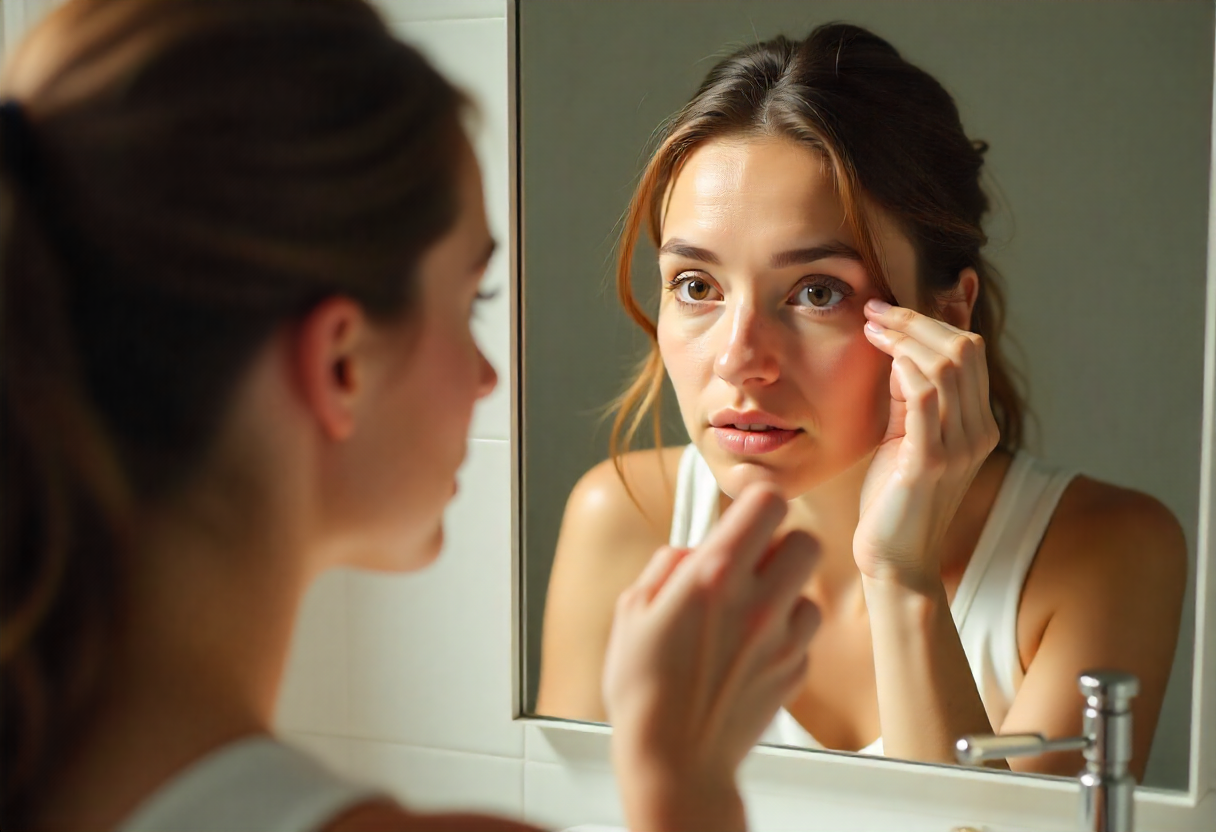
Eyes not White? If your eyes are not white, it could be a sign of dehydration, fatigue, or an underlying health condition.
If you’ve ever looked in the mirror and thought your eyes look dull, red, or not as bright as they used to, you’re not alone. Many people notice subtle changes in the whiteness of their eyes long before they feel “unwell,” and often wonder if it means something is wrong.
While perfectly white eyes aren’t a medical requirement, changes in eye appearance can reflect hydration levels, sleep quality, inflammation, nutrition, and even how well your body is recovering from stress. The good news is that in many cases, these changes are reversible with small, supportive lifestyle shifts.
This article breaks down the most common reasons your eyes may not look white, what’s normal, what’s not, and what you can do to support eye clarity naturally.
Common Reasons Your Eyes Are Not White
Dehydration Is One of the Biggest (and Most Overlooked) Causes
One of the most common reasons eyes look dull or slightly red is dehydration. When your body doesn’t have enough fluids, the surface of the eye dries out, and tiny blood vessels become more visible. This can make the whites of your eyes look tired, yellow-tinged, or irritated.
Dehydration often happens without obvious thirst, especially after exercise, alcohol, travel, hot weather, or long periods of caffeine intake. Even mild dehydration can reduce tear production, which is essential for keeping eyes clear and bright.
This is where hydration quality matters, not just quantity. Water alone is helpful, but when your body is low on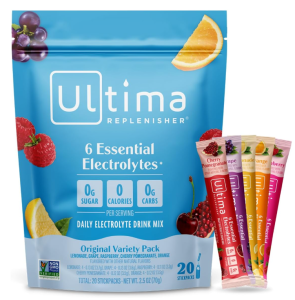 electrolytes, fluids don’t always absorb efficiently into your cells.
For deeper hydration, especially after sweating, alcohol, or a poor night’s sleep, many people find that adding an electrolyte powder to water helps restore fluid balance more effectively. Using a clean, low-sugar option like ULTIMA REPLENISHER ELECTROLYTE POWDER can support hydration at a cellular level, which may help improve overall eye moisture and clarity.
Electrolytes such as sodium, potassium, and magnesium help water move into cells, including the delicate tissues around the eyes, supporting a healthier, brighter appearance.
Lack of Sleep Shows Up in Your Eyes Quickly
Sleep deprivation is another major reason eyes lose their brightness. When you don’t get enough rest, blood flow and oxygen delivery are reduced, which can make blood vessels more visible and give the eyes a red or dull look.
Sleep is when your eyes repair themselves. Inadequate sleep can lead to dryness, irritation, puffiness, and even increased sensitivity to light. If your eyes consistently look tired, improving sleep quality may make a noticeable difference within just a few days.
Allergies and Histamine Reactions
Allergies are a very common cause of red or irritated eyes. When your body releases histamines in response to allergens like pollen, dust, pet dander, or even certain foods, blood vessels in the eyes dilate, leading to redness, itchiness, and swelling.
Histamines are chemicals involved in immune responses, and while they protect you, too much histamine activity can irritate tissues, including the eyes. Seasonal allergies, food sensitivities, and alcohol can all increase histamine levels.
If your eye redness comes and goes with sneezing, congestion, or itching, allergies may be playing a role.
Too Much Screen Time Can Dull Eye Appearance
Extended screen time reduces the frequency of blinking, which dries out the eyes and causes irritation. Over time, this can lead to redness, strain, and a tired look.
Blue light exposure, poor lighting, and long workdays on screens all contribute to eye fatigue. Taking regular breaks, adjusting screen brightness, and spending more time outdoors can help restore natural eye moisture.
Nutrition and Eye Health Are Closely Linked
Your eyes rely on nutrients like vitamin A, omega-3 fatty acids, vitamin C, and antioxidants to stay healthy. Diets low in whole foods or high in processed foods may impact eye clarity over time.
Leafy greens, carrots, citrus fruits, fatty fish, nuts, and seeds all support eye health and help protect against oxidative stress that can affect eye appearance.
What About Yellow Eyes?
It’s important to distinguish between dull or slightly red eyes and true yellowing. Yellow eyes can be a sign of bilirubin buildup, often related to liver or gallbladder issues. This condition, known as jaundice, should always be checked by a healthcare professional.
Occasional redness or dullness is common and usually lifestyle-related, but persistent yellowing, pain, or vision changes should not be ignored.
Simple Ways to Support Whiter, Healthier-Looking Eyes
Supporting eye clarity doesn’t require drastic changes. Small, consistent habits make the biggest difference.
Focus on steady hydration throughout the day, prioritising electrolytes when needed. Aim for regular sleep, reduce screen strain, manage allergens, and eat nutrient-dense foods that support eye health.
If alcohol or travel affects you, increasing hydration before and after can significantly reduce eye dullness the next day.
When to See a Professional
If eye changes are sudden, painful, or accompanied by vision problems, seek medical advice. Eye appearance can be a useful signal, but it’s not a diagnostic tool.
The Takeaway
Eyes that aren’t as white as you’d like are often your body’s way of asking for more rest, hydration, or recovery. In many cases, addressing dehydration, sleep, stress, and nutrition helps restore clarity naturally.
Supporting your body gently, rather than chasing quick fixes, is usually the most effective approach. When your body feels balanced, it often shows — right down to your eyes.
References
Cleveland Clinic – Sclera (White of the Eye): Causes of Discoloration
MedlinePlus Medical Encyclopedia – Sclera
