

Sinusitis occurs when the lining of your sinuses becomes inflamed, making it difficult for mucus to drain properly. This can lead to facial pressure, congestion, headaches, post-nasal drip, and fatigue. While infections, allergies, and environmental triggers are common causes, diet can quietly influence how severe sinus symptoms feel.
Certain foods may increase inflammation or thicken mucus, making congestion more persistent. Understanding which foods may aggravate sinusitis — and which support sinus health — can help reduce discomfort and support recovery.
What Is Sinusitis?
Sinusitis is inflammation of the sinus cavities, often triggered by infections, allergies, or nasal blockages. It can be acute (short-term) or chronic (lasting more than 12 weeks). When sinuses become blocked, mucus builds up, increasing pressure and creating an environment where bacteria can thrive.
Medication is sometimes necessary, but lifestyle factors — including nutrition — can influence how the body responds to sinus inflammation.
Foods That May Worsen Sinusitis Symptoms
Food does not directly cause sinusitis, but certain foods can worsen inflammation, increase mucus thickness, or irritate nasal tissues.
1. Dairy Products
Milk, cheese, yoghurt, and cream may thicken mucus in some people, making it harder for sinuses to drain. This can increase congestion, facial pressure, and post-nasal drip during sinus flare-ups.
People with food sensitivities or digestive imbalances often notice sinus symptoms worsen after consuming dairy. This may be linked to gut-related inflammation, which can affect immune response and mucus production — something we explain in more detail in our guide to gut health and inflammation.
TIP:
Try removing dairy for 7–10 days and monitor whether congestion or sinus pressure improves before reintroducing it slowly.
2. Sugary Foods and Drinks
High-sugar foods such as desserts, soft drinks, pastries, and lollies can promote inflammation and weaken immune response. Excess sugar may also feed harmful bacteria, potentially prolonging sinus infections.
Blood sugar spikes can also increase inflammatory responses in the body, which may make sinus symptoms more persistent. This is closely connected to how insulin works in the body, as outlined in our article on insulin resistance and inflammation.
TIP:
Reducing added sugar during sinus flare-ups may help shorten symptom duration and support immune function.
3. Highly Processed Foods
Processed foods often contain preservatives, refined oils, and artificial additives that can contribute to low-grade inflammation throughout the body. This inflammation doesn’t just affect digestion or joints — it can also worsen swelling in the sinus tissues.
4. Fried and High-Fat Foods
Fried foods and baked goods are often high in saturated and trans fats, which may increase inflammatory markers in the body. When inflammation rises, sinus tissues can become more swollen and sensitive, worsening pressure and discomfort.
Understanding the role of saturated fat helps explain why these foods may worsen sinus symptoms, as detailed in our article on saturated fat and overall health.
TIP:
Choosing grilled, baked, or whole-food alternatives instead of fried foods may help reduce sinus pressure during flare-ups.
5. Alcohol
Alcohol contributes to dehydration and causes blood vessels to widen, which can increase swelling in nasal tissues. For people with sinusitis, this may worsen headaches, congestion, and facial pressure.
Alcohol can also disrupt sleep quality and hydration levels — both of which are essential for immune recovery — as we discuss in our guide to hydration and sleep health.
TIP:
Increasing water intake and avoiding alcohol during sinus symptoms may improve drainage and reduce pressure.
Foods That May Help Relieve Sinus Congestion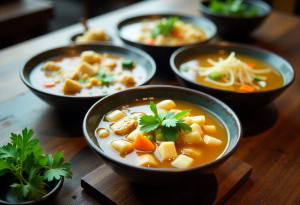
Choosing supportive foods can help thin mucus and reduce inflammation:
- Hydrating foods such as soups, broths, fruits, and vegetables
- Anti-inflammatory foods like ginger, turmeric, leafy greens, and berries
- Spicy foods such as chilli or horseradish for temporary nasal relief
- Omega-3-rich foods, including fatty fish, flaxseeds, and walnuts
TIP:
Staying well hydrated is one of the simplest and most effective ways to support sinus drainage.
Frequently Asked Questions About Sinusitis
Can food really make sinusitis worse?
Yes. While food doesn’t cause sinusitis, certain foods can increase inflammation or thicken mucus, making symptoms feel more severe.
Does dairy increase mucus in sinusitis?
Dairy may thicken mucus in some people, particularly those with sensitivities. Removing it temporarily can help determine individual response.
What foods are best for sinus congestion?
Hydrating foods, anti-inflammatory ingredients, spicy foods, and omega-3-rich options may help relieve congestion.
How long does sinusitis usually last?
Acute sinusitis often resolves within 7–10 days. Chronic sinusitis lasts longer than 12 weeks and may require medical treatment.
References
