

Anxiety is one of the most common challenges people face today, and while lifestyle factors like sleep and stress management play a role, what you eat every day can also make a real difference. Certain foods provide the nutrients your nervous system needs to stay balanced, while others can inadvertently increase tension and mood swings. In this article, we’ll explore 10 foods that reduce anxiety naturally, explaining how each one supports a calmer mind and steadier energy throughout the day. By incorporating these foods into your daily meals, you can take a simple, practical step toward feeling more relaxed and focused.
Food #1: Fatty Fish
Fatty fish are some of the best anxiety-reducing foods because they are packed with omega-3 fatty acids, which help reduce inflammation and support healthy brain function. These healthy fats are used by your brain to produce neurotransmitters like serotonin and dopamine, which regulate mood and help calm the nervous system. Eating fatty fish regularly can improve focus, stabilize emotions, and lower feelings of stress and tension.
Recommended Intake:
- 2–3 servings per week (each serving about 3–4 ounces / 85–115 grams).
- This provides enough omega-3s for mood support without overdoing calories or fats.
Can You Have Too Much?
- Eating fatty fish daily is usually safe, but extremely high amounts may increase calorie intake, potentially affecting weight if not balanced with your overall diet.
- Some fish (like mackerel or tuna) can contain higher mercury levels — moderation is key.
Effect on Weight:
- Fatty fish are nutrient-dense but not calorie-heavy compared to fried or processed proteins.
- Cooking methods like grilling, baking, or air-frying reduce added calories and help maintain a healthy weight.
| Feature | Details |
|---|---|
| Examples | Salmon, Sardines, Mackerel, Herring, Trout |
| Key Nutrients | Omega-3 fatty acids (EPA & DHA), Vitamin D, Protein |
| Why It Works | Omega-3s reduce inflammation and support neurotransmitter balance. Vitamin D and protein help regulate mood and energy. |
| Recommended Intake | 2–3 servings per week (3–4 ounces per serving) |
| How to Include | Bake, grill, or air-fry to reduce calories. Sardines are great in salads or on toast. |

Food #2: Leafy Greens
Leafy greens are nutritional powerhouses that help reduce anxiety naturally. Darker greens like spinach, kale, and Swiss chard are rich in magnesium, folate, and vitamin K, which support neurotransmitter production and help calm the nervous system. Lettuce, while lighter in color and lower in certain nutrients, still provides fiber, hydration, and volume to meals, making it easier to eat more greens overall. Including a mix of both dark leafy greens and lighter options like lettuce can help you enjoy variety while still supporting mood and mental well-being.
Recommended Intake:
- Aim for at least 1–2 servings per day (1 serving = 1 cup raw or ½ cup cooked).
- Can be eaten raw in salads, lightly sautéed, added to soups, or blended into smoothies.
Can You Have Too Much?
- Leafy greens are very low in calories and generally safe in large amounts.
- People on blood-thinning medications (like warfarin) should monitor vitamin K intake and discuss with a doctor.
Effect on Weight:
- Extremely low in calories but high in fiber, leafy greens support healthy weight management and satiety.
- Adding lettuce to salads or wraps increases meal volume without adding significant calories.
| Feature | Details |
|---|---|
| Examples | Spinach, Kale, Swiss Chard, Romaine, Arugula, Lettuce |
| Key Nutrients | Magnesium, Folate, Vitamin K, Fiber |
| Why It Works | Magnesium and folate support neurotransmitter balance, helping calm the nervous system and improve mood. Lettuce adds hydration and fiber, making it easier to consume more greens. |
| Recommended Intake | 1–2 servings per day (1 cup raw or ½ cup cooked) |
| How to Include | Raw in salads or wraps, lightly sautéed with olive oil, or added to smoothies or soups. Include a mix of dark greens and lighter lettuce for variety. |
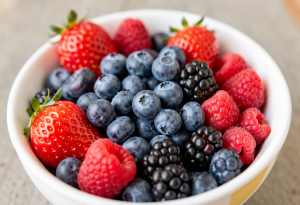
Food #3: Berries
Berries are small but powerful foods that help reduce anxiety naturally. They are packed with antioxidants, particularly flavonoids, which combat inflammation and oxidative stress in the brain. This supports healthy neurotransmitter function, which can stabilize mood and reduce anxious feelings. Berries also provide fiber and natural sweetness, making them a great snack or addition to meals without spiking blood sugar. Including a variety of berries daily can help support overall mental well-being.
Recommended Intake:
- Aim for 1 cup of berries per day (fresh or frozen).
- Can be added to oatmeal, smoothies, salads, or eaten as a snack.
Can You Have Too Much?
- Berries are low in calories and safe to eat in generous amounts.
- Very high consumption is unlikely to cause harm, but moderation helps balance overall sugar intake from fruits.
Effect on Weight:
-
Low-calorie and high in fiber, berries support satiety and healthy weight management.
| Feature | Details |
|---|---|
| Examples | Blueberries, Strawberries, Raspberries, Blackberries |
| Key Nutrients | Antioxidants (Flavonoids), Vitamin C, Fiber, Manganese |
| Why It Works | Antioxidants reduce inflammation and oxidative stress, supporting neurotransmitter function and mood stability. Fiber helps prevent blood sugar spikes that can worsen anxiety. |
| Recommended Intake | ~1 cup per day (fresh or frozen) |
| How to Include | Add to oatmeal, smoothies, salads, or eat as a snack. Mix varieties for color and nutrient diversity. |

Food #4: Eggs
Eggs are an excellent source of high-quality protein and B vitamins, both of which play a key role in regulating mood and stabilizing energy levels. The amino acids in protein help produce neurotransmitters like serotonin and dopamine, which can reduce feelings of anxiety. Eggs are also rich in choline, a nutrient that supports brain health and cognitive function. Including eggs regularly can help maintain steady energy, reduce mood swings, and support a calmer nervous system.
Recommended Intake:
- 1–2 eggs per day is generally safe for most adults.
- Can be boiled, poached, scrambled, or added to salads and meals.
Can You Have Too Much?
- For most people, eggs are safe to eat daily.
- If you have high cholesterol or specific health concerns, check with your doctor — though moderate consumption is usually fine.
Effect on Weight:
-
Eggs are high in protein but moderate in calories, making them filling and helpful for weight management when part of a balanced diet.
| Feature | Details |
|---|---|
| Examples | Chicken eggs, Duck eggs (in moderation) |
| Key Nutrients | Protein, B vitamins, Choline, Selenium |
| Why It Works | Protein and B vitamins support neurotransmitter production, which helps regulate mood and reduce anxiety. Choline supports brain function and mental clarity. |
| Recommended Intake | 1–2 eggs per day |
| How to Include | Boiled, poached, scrambled, or added to salads and meals for protein-rich support. |
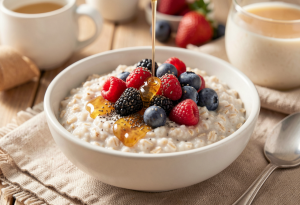
Food #5: Oats
Oats are a slow-digesting carbohydrate that helps maintain steady blood sugar levels, which is crucial for reducing anxiety and mood swings. They provide a steady release of energy, preventing the spikes and crashes that can worsen anxious feelings. Oats are also rich in soluble fiber (beta-glucan), which supports gut health and helps produce serotonin — the “feel-good” neurotransmitter. Including oats in your diet can help improve mood, support digestion, and keep energy levels balanced throughout the day.
Different Types of Oats:
- Rolled Oats: Versatile and good for oatmeal, baking, and overnight oats.
- Steel-Cut Oats: Less processed, chewier texture, slower digestion, ideal for longer-lasting energy.
- Instant Oats: Quick and convenient, but often have added sugar — best to choose plain varieties.
- Overnight Oats: Soaked in milk or yogurt overnight, convenient for busy mornings and easy to add fruits, nuts, or seeds.
Recommended Intake:
- ½–1 cup cooked oats per day is sufficient for steady energy and mood support.
- Combine with protein or healthy fats to further stabilize blood sugar.
Can You Have Too Much?
- Oats are safe in generous amounts, but very large portions can add extra calories if you’re watching your weight.
- Opt for plain oats to avoid unnecessary sugar or additives.
Effect on Weight:
- High in fiber and moderately low in calories, oats support satiety and healthy weight management.
- Pairing with protein (like yogurt or nuts) maximizes fullness and prevents energy crashes.
| Feature | Details |
|---|---|
| Examples | Rolled oats, Steel-cut oats, Instant oats (plain), Overnight oats |
| Key Nutrients | Soluble fiber (beta-glucan), B vitamins, Magnesium, Protein (if combined with milk/yogurt) |
| Why It Works | Slow-digesting carbs stabilize blood sugar, reducing anxiety-related crashes. Fiber supports gut health, which in turn supports mood regulation. |
| Recommended Intake | ½–1 cup cooked oats per day |
| How to Include | Cook as oatmeal, soak for overnight oats, add to smoothies, or use in baking. Combine with fruits, nuts, or seeds for extra nutrients. |
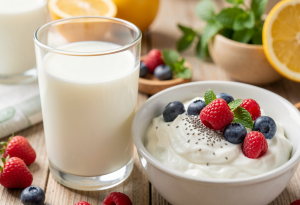
Food #6: Yogurt or Kefir
Yogurt and kefir are rich in probiotics, which support gut health — a key factor in regulating mood and anxiety. A healthy gut microbiome influences the production of serotonin, the “feel-good” neurotransmitter, helping reduce stress and improve overall mental well-being. These fermented dairy foods also provide protein and calcium, making them a nutritious, mood-supporting snack or addition to meals.
What is Kefir?
- Kefir is a drinkable fermented milk similar to yogurt but thinner in consistency.
- Made by fermenting milk with kefir grains (a mix of beneficial bacteria and yeast).
- Slightly tangy in taste, packed with probiotics, and easier to digest for some people than regular yogurt.
- Can be consumed plain, blended into smoothies, or used in overnight oats.
Recommended Intake:
- 1 cup per day of yogurt or kefir is sufficient for gut and mood benefits.
- Choose plain, unsweetened varieties to avoid excess sugar, which can negatively impact blood sugar and mood.
Can You Have Too Much?
- Generally safe, but very large amounts may add extra calories.
- If lactose-sensitive, opt for lactose-free yogurt or kefir alternatives to avoid digestive discomfort.
Effect on Weight:
-
High in protein and probiotics, yogurt and kefir support satiety and healthy weight management when included as part of a balanced diet.
| Feature | Details |
|---|---|
| Examples | Plain Greek yogurt, Kefir, Lactose-free yogurt |
| Key Nutrients | Probiotics, Protein, Calcium, B vitamins |
| Why It Works | Supports gut microbiome, which influences serotonin production and mood regulation. Protein and calcium support overall nutrition. |
| Recommended Intake | ~1 cup per day |
| How to Include | Eat as a snack, add to smoothies, use in overnight oats, or top with berries and seeds for added nutrition. |
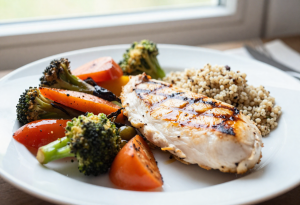
Food #7: Lean Protein
Lean protein helps stabilize blood sugar and mood, which is essential for reducing anxiety and maintaining consistent energy levels. Protein provides amino acids, which are the building blocks for neurotransmitters like serotonin and dopamine — chemicals that regulate mood and calm the nervous system. Lean proteins are also low in unhealthy fats, making them a healthy option to support overall wellness and weight management.
Recommended Sources:
- Chicken breast
- Turkey
- Lean cuts of beef or pork
- Legumes (lentils, chickpeas, black beans)
- Tofu or tempeh
Recommended Intake:
- 20–30 grams per meal is typically sufficient for neurotransmitter support and satiety.
- Spread protein intake evenly across meals to maintain stable energy.
Can You Have Too Much?
- Excessive protein (much higher than your daily needs) can stress the kidneys in people with kidney issues.
- For most healthy adults, eating lean protein in moderation is safe and beneficial.
Effect on Weight:
- Lean protein is low in calories and filling, helping control appetite and support healthy weight management.
- Pairing with vegetables and whole grains maximizes satiety and nutrition.
| Feature | Details |
|---|---|
| Examples | Chicken breast, Turkey, Lean beef, Lentils, Chickpeas, Tofu |
| Key Nutrients | Protein, B vitamins, Iron, Magnesium |
| Why It Works | Amino acids from protein support neurotransmitter production, helping regulate mood and reduce anxiety. Low-fat sources help with weight management. |
| Recommended Intake | 20–30 grams per meal, spread across meals |
| How to Include | Grilled, baked, or lightly pan-seared chicken/turkey; legumes in salads, soups, or stews; tofu/tempeh stir-fry or salads |
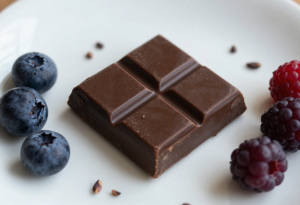
Food #8: Dark Chocolate
Dark chocolate is more than a treat — it’s a powerful food that can reduce anxiety naturally. Rich in flavonoids, it helps reduce inflammation and supports healthy brain function, which can improve mood and calm the nervous system. Dark chocolate also contains magnesium, a mineral known to relax muscles and reduce tension, as well as small amounts of caffeine and theobromine, which can boost alertness without the jitteriness of coffee when eaten in moderation.
Recommended Intake:
- 20–30 grams per day (about 1 ounce) of 70% cocoa or higher.
- Choose dark chocolate with minimal added sugar to maximize benefits.
Can You Have Too Much?
- Overeating can add excess calories and sugar, which may negatively impact weight and mood.
- Stick to small, mindful portions to enjoy the benefits without downsides.
Effect on Weight:
- In moderation, dark chocolate is low in sugar and filling, making it compatible with healthy weight management.
- Pairing with nuts or fruit can further boost satiety and nutrition.
| Feature | Details |
|---|---|
| Examples | Dark chocolate 70%+, 85% cocoa bars, cacao nibs |
| Key Nutrients | Flavonoids, Magnesium, Iron, Antioxidants |
| Why It Works | Flavonoids reduce inflammation and support brain function. Magnesium helps calm the nervous system. Supports mood and reduces anxiety naturally. |
| Recommended Intake | 20–30 grams per day |
| How to Include | Eat a small square as a snack, add cacao nibs to oatmeal or yogurt, or pair with nuts/fruit. |
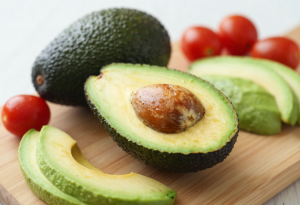
Food #9: Avocado
Avocados are rich in healthy monounsaturated fats, magnesium, and B vitamins, all of which support brain health and help regulate mood. They also contain potassium, which can help reduce stress-related blood pressure spikes. Eating avocado regularly can support a calmer nervous system and steady energy.
Recommended Intake:
- ½–1 avocado per day.
- Add to salads, toast, smoothies, or wraps.
| Feature | Details |
|---|---|
| Examples | Hass avocado, Fuerte avocado |
| Key Nutrients | Magnesium, B vitamins, Healthy fats, Potassium |
| Why It Works | Supports neurotransmitter function, reduces inflammation, stabilizes mood and energy |
| Recommended Intake | ½–1 avocado per day |
| How to Include | Add to salads, toast, smoothies, or wraps |
Food #10: Bell Peppers
Bell peppers are colorful, crunchy, and packed with vitamin C, which helps regulate cortisol — the stress hormone. They also provide antioxidants and fiber, supporting gut and brain health. Including bell peppers in meals can help reduce stress and support a calmer mood naturally.
Recommended Intake:
- 1 cup per day (raw or cooked).
- Add to salads, stir-fries, or as a snack with hummus.
| Feature | Details |
|---|---|
| Examples | Red, yellow, and orange bell peppers |
| Key Nutrients | Vitamin C, Antioxidants, Fiber, Vitamin B6 |
| Why It Works | Vitamin C supports cortisol regulation; antioxidants and fiber help gut and brain health, supporting a calmer mood |
| Recommended Intake | ~1 cup per day |
| How to Include | Raw in salads, sliced as a snack with hummus, or cooked in stir-fries and roasted dishes |
Support a Calmer Mind with Foods That Reduce Anxiety Naturally
Incorporating these foods that reduce anxiety naturally into your daily meals can have a powerful impact on your mood, energy, and overall well-being. From fatty fish rich in omega-3s, leafy greens, berries, eggs, oats, yogurt, lean protein, dark chocolate, avocado, to bell peppers, each food offers unique nutrients that calm the nervous system, support gut health, and stabilize blood sugar.
Small, consistent dietary changes—paired with hydration, protein at each meal, and mindful micro-habits—can make anxiety easier to manage and help you feel more balanced day to day. Remember, it’s not about perfection but making small, sustainable swaps that support your nervous system naturally.
According to Harvard Health Publishing, eating a balanced diet rich in whole foods such as vegetables, fruits, lean proteins, and healthy fats — and low in highly processed items — may help support brain health and reduce symptoms of anxiety, making these some of the top foods that reduce anxiety naturally.
