
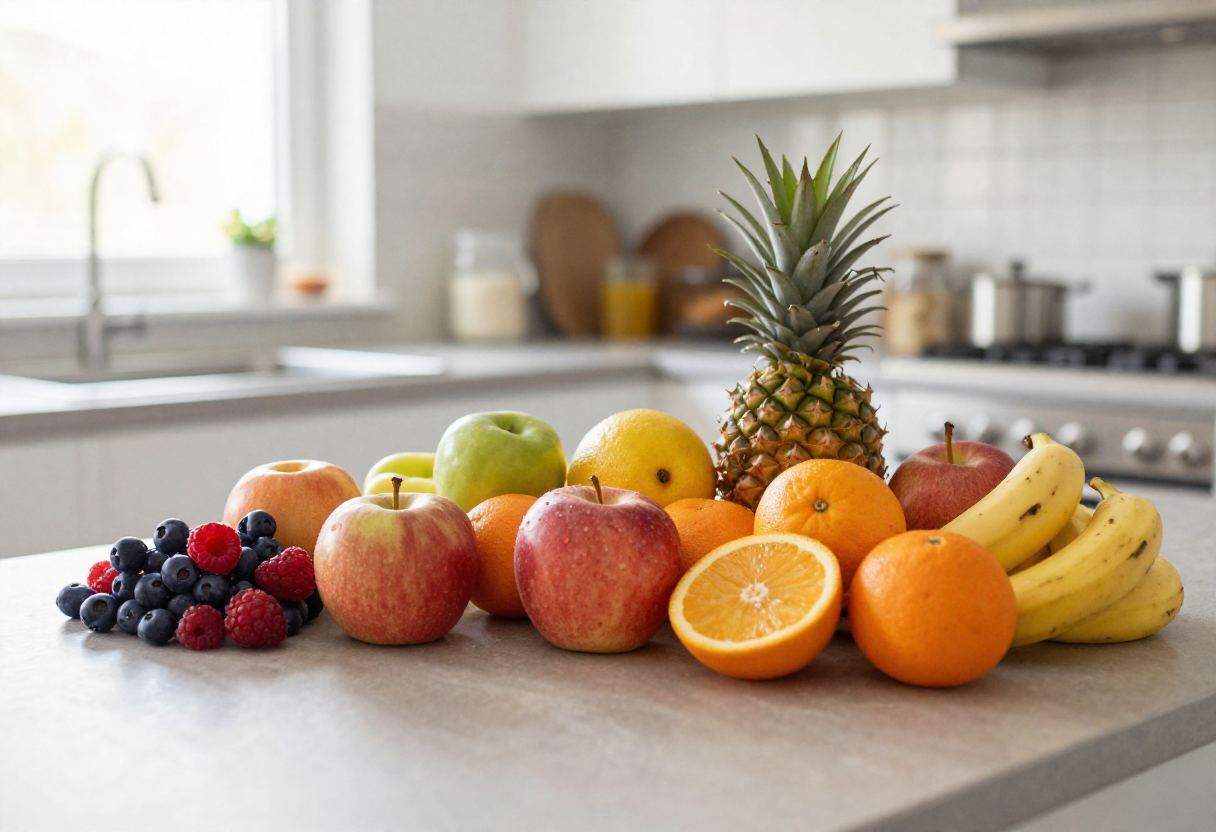
Fruit has one of the most confusing reputations in modern health conversations. On one hand, it’s praised as natural, wholesome, and full of vitamins. On the other, it’s often blamed for sugar spikes, weight gain, bloating, and cravings. Some diets tell you to eat more fruit, while others tell you to avoid it completely. The truth, as usual, sits somewhere in the middle. Fruit is neither a villain nor a free-for-all food. It can support health beautifully when eaten in the right way, at the right time, and for the right reasons — but it can also work against you if it’s overconsumed or mismatched to your body’s needs. Understanding how different fruits affect blood sugar, digestion, hormones, and energy helps you use fruit as a tool rather than a trigger.
Why Fruit Isn’t “Just Sugar” (But Also Isn’t Sugar-Free)
Fruit contains natural sugars, mainly fructose and glucose, but it also comes packaged with fiber, water, antioxidants, vitamins, and minerals. That fiber slows digestion, helping prevent sharp blood sugar spikes compared to refined sugar. However, not all fruits affect the body the same way. A banana eaten alone on an empty stomach will behave very differently than berries eaten with yogurt or nuts. Portion size, ripeness, and pairing all matter. Fruit helps most when it stabilizes energy and supports nutrient intake — and hurts when it overwhelms blood sugar regulation or replaces more balanced meals.
Berries: Powerful Nutrition With Minimal Sugar Impact
Berries are often considered the most “forgiving” fruits metabolically. Strawberries, blueberries, raspberries, and blackberries are low in sugar compared to most fruits and high in fiber and antioxidants. They support brain health, reduce inflammation, and help regulate blood sugar. Berries are particularly beneficial for people trying to manage weight, insulin sensitivity, or cravings because they provide sweetness without overwhelming glucose spikes. They’re also rich in polyphenols, which support gut health and reduce oxidative stress. For many people, berries can be eaten daily without negative effects, especially when paired with protein or healthy fats.
Apples and Pears: Fiber-Rich but Easy to Overdo
Apples and pears contain soluble fiber, particularly pectin, which supports digestion, gut bacteria, and cholesterol balance. They digest slowly compared to tropical fruits and help with satiety. However, they can still raise blood sugar if eaten in large amounts or without balance. Their skins hold most of the fiber, so peeled fruit loses much of its benefit. Apples and pears work best when eaten whole, not juiced, and paired with protein like nut butter or cheese. For some people with sensitive digestion, large servings may contribute to bloating due to fermentable fibers.
Bananas: Energy Boost or Blood Sugar Spike?
Bananas are one of the most misunderstood fruits. They are rich in potassium, vitamin B6, and carbohydrates that fuel muscles and the nervous system. This makes them helpful for athletes, active individuals, or people needing quick energy. However, ripe bananas are higher in sugar and lower in fiber compared to berries. For sedentary individuals or those with insulin resistance, bananas can spike blood sugar and trigger hunger shortly after. Less ripe bananas contain more resistant starch, which feeds gut bacteria and has a gentler effect on blood sugar. Timing matters — bananas are often better earlier in the day or around physical activity.
Citrus Fruits: Refreshing, Hydrating, and Hormone-Friendly
Oranges, mandarins, grapefruit, and lemons provide vitamin C, hydration, and antioxidants that support immune health and skin integrity. Citrus fruits tend to have moderate sugar levels and relatively low calorie density. Grapefruit in particular has been studied for its potential role in improving insulin sensitivity and appetite regulation, though it can interact with certain medications. Citrus fruits are generally well tolerated when eaten whole, but juices remove fiber and concentrate sugar, making them less beneficial metabolically. Eating citrus alongside meals rather than alone helps prevent sugar spikes.
Tropical Fruits: Nutrient-Rich but Easy to Overconsume
Mangoes, pineapples, papayas, and passionfruit are rich in vitamins, enzymes, and antioxidants, but they are also higher in natural sugar. These fruits digest quickly and can raise blood sugar more rapidly than temperate fruits. Pineapple contains bromelain, which aids digestion, and papaya supports gut health, but portion control is key. Tropical fruits are best enjoyed occasionally, in smaller servings, or paired with protein or fat. For people struggling with cravings or energy crashes, frequent tropical fruit consumption may worsen symptoms.
Grapes and Cherries: Small Size, Big Sugar Load
Grapes and cherries are often underestimated because they feel light and refreshing. However, they are easy to overeat due to their size and sweetness. They do contain antioxidants and anti-inflammatory compounds, but large servings can deliver a high sugar load quickly. Eating them mindfully, in measured portions, and with other foods reduces their impact. For some people, these fruits can trigger sugar cravings rather than satisfy them.
Dried Fruit: Health Food or Sugar Trap?
Dried fruit is one of the most misleading “healthy” foods. Removing water concentrates sugar and calories dramatically. A small handful of dried fruit can equal several servings of fresh fruit in sugar content. While dried fruit contains minerals and fiber, it’s very easy to overconsume and can spike blood sugar rapidly. Dried fruit is best treated as a garnish rather than a snack — added sparingly to meals rather than eaten alone.
Fruit Juice and Smoothies: When Nutrition Turns into Dessert
Juicing removes fiber and delivers sugar directly into the bloodstream, making fruit juice behave more like soda than whole fruit. Smoothies can be healthy or problematic depending on their ingredients. Smoothies made primarily with fruit and juice can contain the sugar equivalent of multiple servings of fruit in minutes. Balanced smoothies include protein, fiber, and fats to slow sugar absorption. Without balance, smoothies can drive energy crashes, hunger, and cravings.
When Fruit Helps Your Health
Fruit supports health when it enhances nutrient intake, digestion, and energy stability. It helps when eaten whole, in appropriate portions, paired with protein or fat, and matched to activity levels. Fruit can support gut health, hormone balance, immune function, and overall vitality when used intentionally.
When Fruit May Work Against You
Fruit can contribute to problems when eaten in excess, consumed mainly as juice or dried fruit, used to replace meals, or eaten constantly throughout the day without balance. For people with insulin resistance, PCOS, prediabetes, or frequent cravings, fruit intake often needs structure rather than elimination.
How to Eat Fruit Without Fear
There’s no need to demonize fruit or eat it endlessly without thought. Paying attention to how your body responds is the most important guide. Choosing lower-sugar fruits more often, pairing fruit with protein or fat, eating fruit earlier in the day, and prioritizing whole fruit over juice allows you to enjoy its benefits without negative side effects. Fruit is neither the enemy nor a free pass — it’s a powerful nutritional tool when used wisely.
Fruit doesn’t need to be avoided to be healthy. It needs to be understood.
References
Harvard T.H. Chan School of Public Health – Fruit, Fiber & Blood Sugar
https://www.hsph.harvard.edu
Mayo Clinic – Fruits, Natural Sugars & Healthy Eating
https://www.mayoclinic.org