
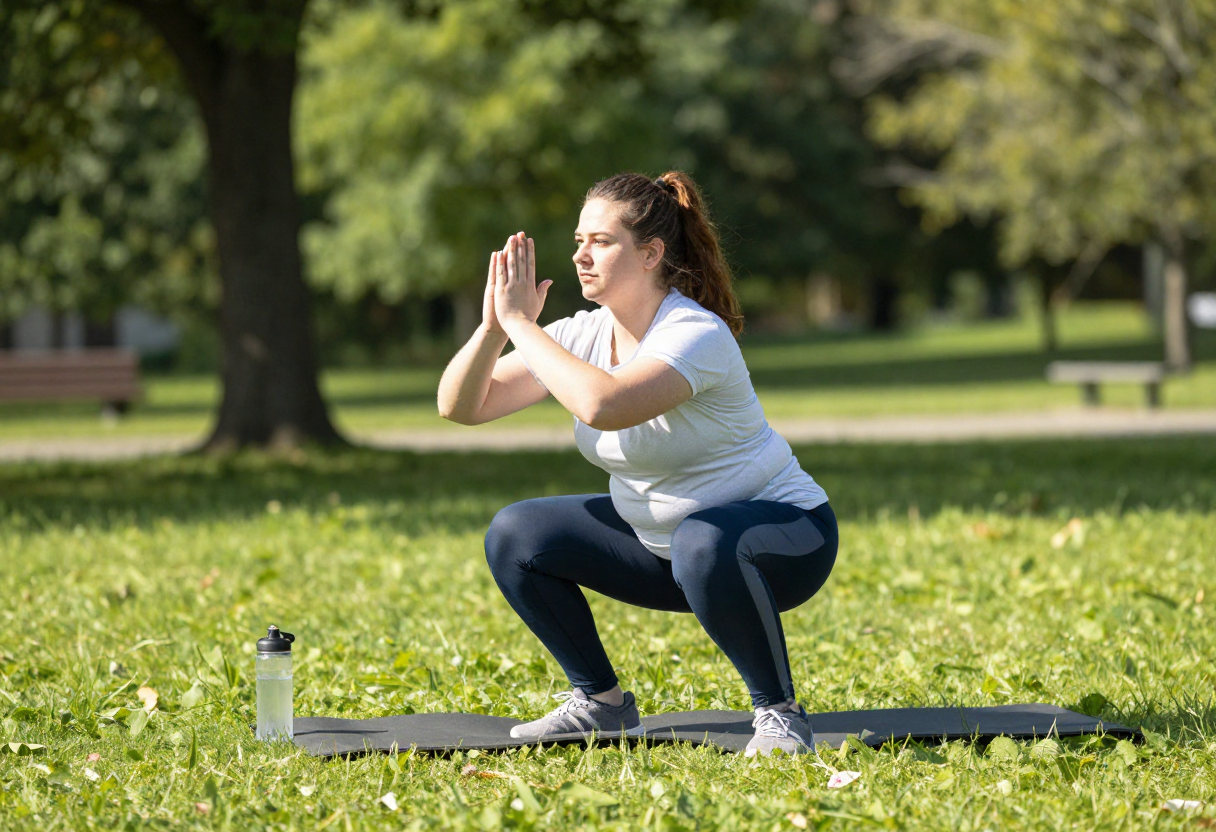
Getting started with full-body workouts can feel overwhelming for beginners, but it doesn’t have to be. Full-body exercises target all the major muscle groups in a single session, helping you build strength, improve mobility, and burn calories efficiently — even without any equipment.
Whether you’re exercising at home, in a park, or anywhere you have space, a well-structured routine can help you gain confidence, improve your fitness, and set the foundation for more advanced workouts in the future.
In this article, you’ll discover full-body workouts for beginners, step-by-step routines, warm-up and cool-down tips, and practical advice to keep your workouts safe, effective, and enjoyable.
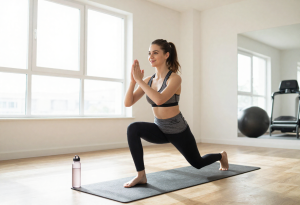
Benefits of Full-Body Workouts for Beginners
Full-body workouts are an excellent starting point for beginners because they target all major muscle groups in a single session, saving time while delivering multiple fitness benefits. Here’s why incorporating these exercises into your routine is so effective:
- Time-efficient: Work your arms, legs, core, and back in one session, reducing the need for multiple separate workouts.
- Builds foundational strength: Strengthens muscles evenly, improving posture, stability, and functional movement for daily activities.
- Boosts metabolism and burns calories: Engaging multiple muscles at once increases energy expenditure, helping with weight management and overall fitness.
- Improves mobility and flexibility: Full-body movements enhance joint range of motion and reduce stiffness.
- Supports confidence and consistency: Beginner-friendly routines are approachable, making it easier to stay motivated and develop a sustainable habit.
By starting with simple, effective full-body exercises, you’ll set a strong foundation for future progression while avoiding overwhelm or burnout.
How to Warm Up for a Beginner Full-Body Workout
Warming up is essential for beginners because it prepares your muscles, joints, and heart for exercise while reducing the risk of injury. A proper warm-up also improves performance by increasing blood flow and flexibility.
A beginner-friendly warm-up should be 5–10 minutes, incorporating both dynamic stretches and light cardio movements.
Dynamic Warm-Up Moves
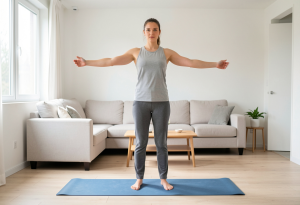
- Arm Circles: Rotate arms forward and backward for 30 seconds to loosen shoulders.
- Shoulder Rolls: Roll your shoulders slowly in both directions for 20–30 seconds.
- Leg Swings: Swing each leg forward and backward 10–12 times to mobilize the hips.
Light Cardio to Raise Heart Rate
- Marching in Place: 1–2 minutes at a comfortable pace.
- Low-Impact Jumping Jacks: 30–60 seconds, stepping out instead of jumping if needed.
- High Knees (Beginner Version): Lift knees to waist height, alternate legs for 30 seconds.
Importance of Warming Up
- Reduces the risk of strains and sprains
- Prepares joints for larger movements in the workout
- Mentally signals the body that it’s time to exercise
- Improves circulation and energy for the workout session
Beginner Full-Body Workout Routine (No Equipment)
This beginner-friendly routine targets all major muscle groups using only your body weight. You can do it at home, in a park, or anywhere with a small space. Start slow, focus on form, and gradually increase reps or sets as you improve.
Lower Body Exercises
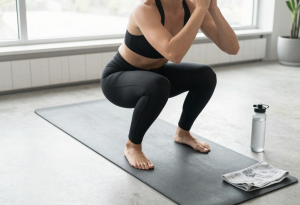
- Bodyweight Squats: Keep feet shoulder-width apart, back straight, and lower slowly.
- Reverse Lunges: Step back one leg at a time, keeping your torso upright.
Upper Body Exercises
- Wall Push-Ups: Stand facing a wall, hands on the wall at shoulder height, and lower chest slowly.
- Knee Push-Ups: On hands and knees, keep core engaged, lower chest toward the floor.
Core Exercises
- Plank Hold: On elbows or knees, keep body straight, engage core.
- Bird Dog: On hands and knees, extend opposite arm and leg, hold briefly, switch sides.
Sample Routine Table
| Exercise | Sets | Reps/Time | Notes |
|---|---|---|---|
| Bodyweight Squats | 2-3 | 12-15 | Maintain proper form |
| Reverse Lunges | 2 | 10 each leg | Move slowly and controlled |
| Wall Push-Ups | 2 | 10-12 | Gradually progress to the floor |
| Knee Push-Ups | 2 | 8-10 | Focus on core stability |
| Plank Hold | 2 | 20-30 sec | Can do on knees if needed |
| Bird Dog | 2 | 8 each side | Maintain balance |
Progressing Safely as a Beginner
Once you feel comfortable completing the full-body routine with good form, you can gradually increase the challenge:
- Add 1–2 more reps per exercise each week.
- Add an extra set once you can complete the current sets easily.
- Slow down the movements to increase muscle engagement.
This way, you continue improving strength and endurance without jumping into exercises that may be too advanced.
Muscle soreness after a workout — especially when you’re new to exercise or trying movements your body isn’t used to — is common and generally harmless. This type of discomfort is known as Delayed Onset Muscle Soreness (DOMS) and usually begins 12–24 hours after exercise, peaking within about 24–48 hours before gradually improving. DOMS tends to occur when muscles are challenged in ways they aren’t accustomed to, which is part of the natural adaptation and strengthening process as your body recovers and builds muscle. In most cases, mild soreness goes away within a few days and can be eased with light activity and gentle stretching. ClevelandClinic.
FAQs
Q1: How often should beginners do full-body workouts?
-
Aim for 2–3 sessions per week with at least one rest day in between to allow your muscles to recover.
Q2: How long should each session be?
-
Beginner sessions can be 20–40 minutes, including warm-up, exercises, and cool-down.
Q3: Will I be sore after these workouts?
-
Some muscle soreness is normal, especially when starting a new routine. This is called Delayed Onset Muscle Soreness (DOMS) and usually appears 12–24 hours after exercise and can last 1–3 days depending on intensity. Light activity, stretching, and hydration can help reduce discomfort.
Q4: Do I need any equipment?
-
No — this routine uses bodyweight only, but optional light weights (like water bottles) can be added as you progress.
Q5: Can full-body workouts help with weight loss?
-
Yes — engaging multiple muscle groups boosts metabolism and burns calories, especially when combined with a balanced diet.
