
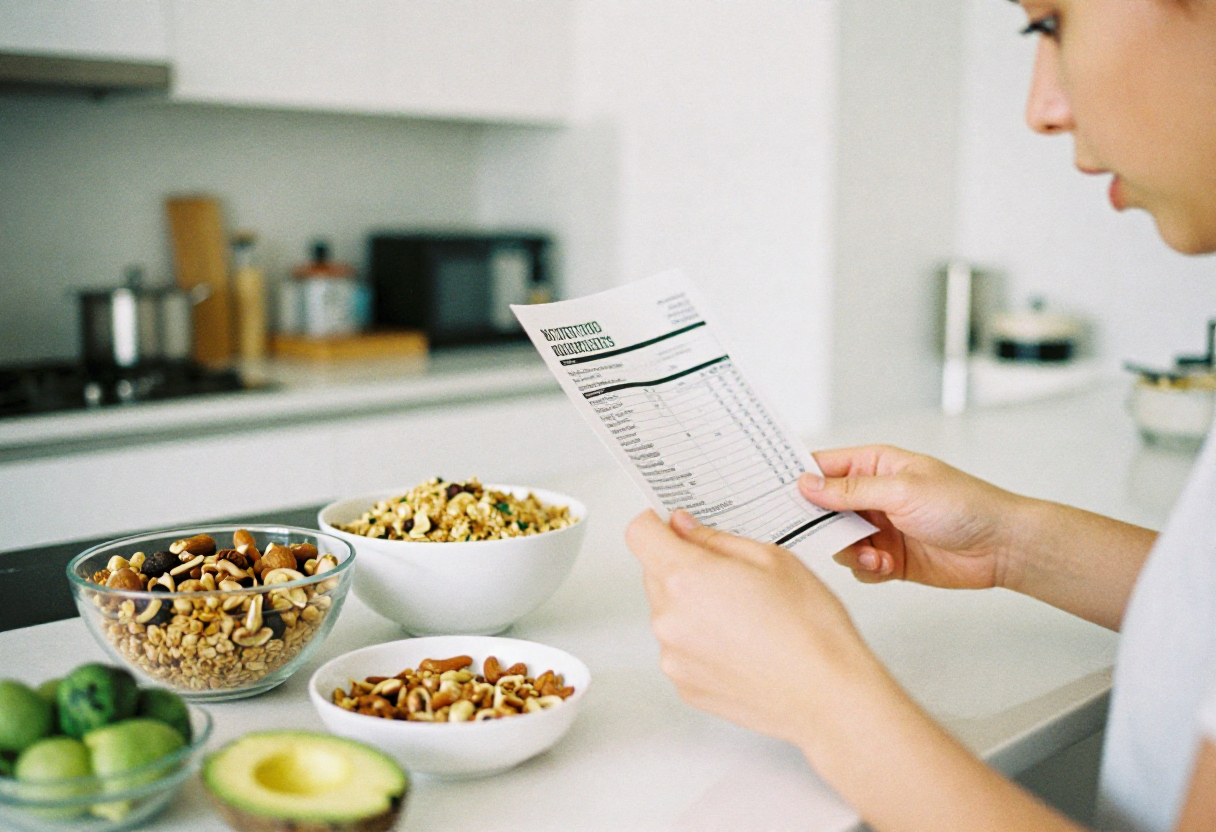
Many people trying to lose weight or simply eat healthier gravitate toward foods labeled as “clean,” “nutritious,” or “whole.” But even the healthiest foods can quietly sabotage progress when eaten in large amounts or paired with high-calorie extras. It’s not that these foods are unhealthy — in fact, they’re often incredibly good for you — but the way they’re prepared, combined, or portioned can turn them into calorie bombs without you realizing it. You may think you’re making all the right choices, yet still wonder why the scale isn’t moving. The truth is that nutrition isn’t just about what you eat, but how you eat it, how much of it you eat, and what you add to it. Understanding how healthy foods can become calorie-dense empowers you to enjoy them without derailing your goals.
Many of the most common “healthy” foods that contribute to weight gain do so because they’re easy to over-serve or disguise extra calories. For example, a small handful of nuts is nutritious and satisfying, but a large handful can double or triple the calories without adding much fullness. Smoothies can pack multiple servings of fruit, juice, yogurt, and nut butter — great ingredients on their own, but extremely calorie-dense when combined. Even protein-rich foods like avocado, salmon, and hummus can become problematic when portions grow. None of these foods should be avoided; instead, they should be understood. This guide breaks down the most common healthy foods that are secretly high in calories, why it happens, and simple adjustments that help you keep the nutrition while reducing the excess.
Nuts and Nut Butters: Healthy but Easy to Overeat
Nuts offer fiber, protein, and healthy fats, making them one of the most nutrient-dense foods available. However, they’re also extremely high in calories due to their fat content. A small 1-ounce serving — roughly a tiny closed handful — can contain 160 to 200 calories. Without paying attention, it’s easy to eat three or four servings in minutes. The same thing happens with nut butters. A standard serving is just two tablespoons, but many people unintentionally spread double that amount on toast, fruit, or crackers. While the nutrients are beneficial, the calories add up quickly.
To enjoy nuts without overdoing it, it helps to portion them out ahead of time instead of eating directly from the bag. Adding nuts to salads, oatmeal, or yogurt in measured amounts gives you the flavor and benefits without the calorie overload. With nut butters, spreading a thin, even layer rather than a thick scoop can cut calories in half without sacrificing taste. These small adjustments let you continue enjoying nuts daily while staying aligned with your health goals.
Smoothies and Juices: Healthy Ingredients, High-Calorie Results
Smoothies often seem like an ideal choice — a quick, refreshing way to pack in nutrients, fibers, and antioxidants. But depending on how they’re made, a smoothie can easily exceed the calorie count of a full meal. Blending large amounts of fruit increases sugar and calories, even though the sugar is natural. Add-ins like honey, chia seeds, Greek yogurt, coconut water, and nut butter are nutritious but extremely calorie-dense together. Store-bought smoothies are often worse, with hidden syrups, sweetened yogurt, or concentrated fruit juice.
A more balanced approach includes keeping fruit portions moderate, adding a handful of greens to bulk up the volume without extra calories, and choosing one high-calorie add-in instead of three or four. Using water or unsweetened milk alternatives also helps reduce calories significantly. Smoothies can still be an excellent nutritional tool, but being mindful of ingredients ensures they support your energy and weight goals without acting like a hidden dessert.
Avocado: Nutritious but Calorie-Dense
Avocado is loved for its creamy texture and healthy fats. It supports heart health, digestion, and skin health — but it’s also very calorie-dense. A single avocado contains around 250 to 300 calories, which can double quickly if you use it generously on toast, in salads, or in bowls. Many people unintentionally consume an entire avocado at breakfast alone.
A simple way to manage this is by using one-quarter or one-half of an avocado per meal. Pairing it with high-fiber foods like vegetables or whole grains enhances fullness without adding unnecessary calories. You’re still getting the same nutritional benefits, just in the right quantities.
Granola: A Hidden Sugar and Calorie Trap
Granola is often marketed as a wholesome breakfast choice, but many store-bought varieties contain added oils, syrups, dried fruit, and sweeteners that push the calorie count very high. A typical half-cup serving — which looks much smaller in a bowl — can easily reach 250–300 calories, and many people pour double that without noticing.
Choosing lower-sugar granola or making your own can help reduce calories dramatically. Using granola as a topping rather than the main base — for example, sprinkling a small amount over Greek yogurt — delivers crunch and satisfaction without overwhelming your calorie intake.
Salads That Stop Being “Light”
Salads begin as low-calorie dishes full of fiber and antioxidants, but they can quickly become heavy when calorie-dense toppings are added. Cheese, nuts, seeds, croutons, creamy dressings, avocado, olives, dried fruit, and fried chicken strips can transform a simple salad into a meal that rivals a burger in calories. The salad is still nutritious — but the extras stack up.
You don’t need to avoid toppings; you just need to be selective. Choosing one or two high-calorie add-ins instead of several keeps salads balanced. Using lighter dressings or measuring them out helps maintain flavor without excess. When built intentionally, salads can remain one of the most satisfying and supportive meals for weight management.
Hummus and Healthy Dips: Delicious but Dense
Hummus is made from chickpeas, tahini, and olive oil — all healthy ingredients, yet surprisingly high-calorie when eaten in large amounts. Just a few large scoops can equal 150–200 calories before you even count what you’re dipping into it. Eating hummus with vegetables is an excellent choice, but pairing it with crackers, pita, or chips adds many more calories.
To enjoy hummus without going overboard, portion a small amount into a dish instead of eating from the container. Pairing it with raw vegetables makes it a naturally lower-calorie snack that still feels filling and enjoyable.
“Healthy” Snacks That Add Up
Protein bars, organic chips, dried fruit mixes, yogurt clusters, and other “health snacks” are often marketed as clean alternatives to traditional junk food. But many contain concentrated sugars, oils, or sweeteners that increase calories significantly. A handful of dried mango, for example, carries far more sugar and calories than a handful of fresh mango.
Snacking can still be part of a healthy lifestyle, but paying attention to serving sizes helps prevent accidental overeating. Choosing whole foods — fresh fruit, boiled eggs, air-popped popcorn, or veggies with a measured amount of dip — offers the same satisfaction without calorie overload.
Healthy Foods Are Still Healthy — You Just Need a Strategy
The good news is that none of these foods need to be cut from your diet. They offer vitamins, minerals, fiber, healthy fats, and other benefits your body needs. The key is understanding their calorie density and making purposeful choices that keep your portions aligned with your goals. Once you learn how easily calories can accumulate from toppings, add-ins, and oversized servings, you can adjust without feeling restricted.
Healthy eating is not about avoiding nutritious foods; it’s about using them wisely. Small changes — like measuring portions, choosing lower-calorie alternatives, or reducing add-ons — make a big difference over time. When you become aware of hidden calories in your healthy meals, you gain more control, experience more progress, and avoid the frustration of feeling like you’re doing everything right while nothing changes.
Final Thoughts
Healthy foods can absolutely support weight loss and overall wellness, but even the most nutritious ingredients can slow progress when portion sizes get too large or calorie-dense extras stack up. Understanding where hidden calories come from empowers you to make small, sustainable adjustments that keep meals satisfying while supporting your health goals. With a few simple tweaks, you can continue enjoying your favorite foods, maintain balance, and move toward your goals with confidence and clarity. Eating well doesn’t have to be complicated — it just requires awareness, intention, and consistency.
References
Harvard T.H. Chan School of Public Health – Nutrition Source
https://www.hsph.harvard.edu/nutritionsource
American Heart Association – Healthy Eating & Portion Control
https://www.heart.org/en/healthy-living/healthy-eating