
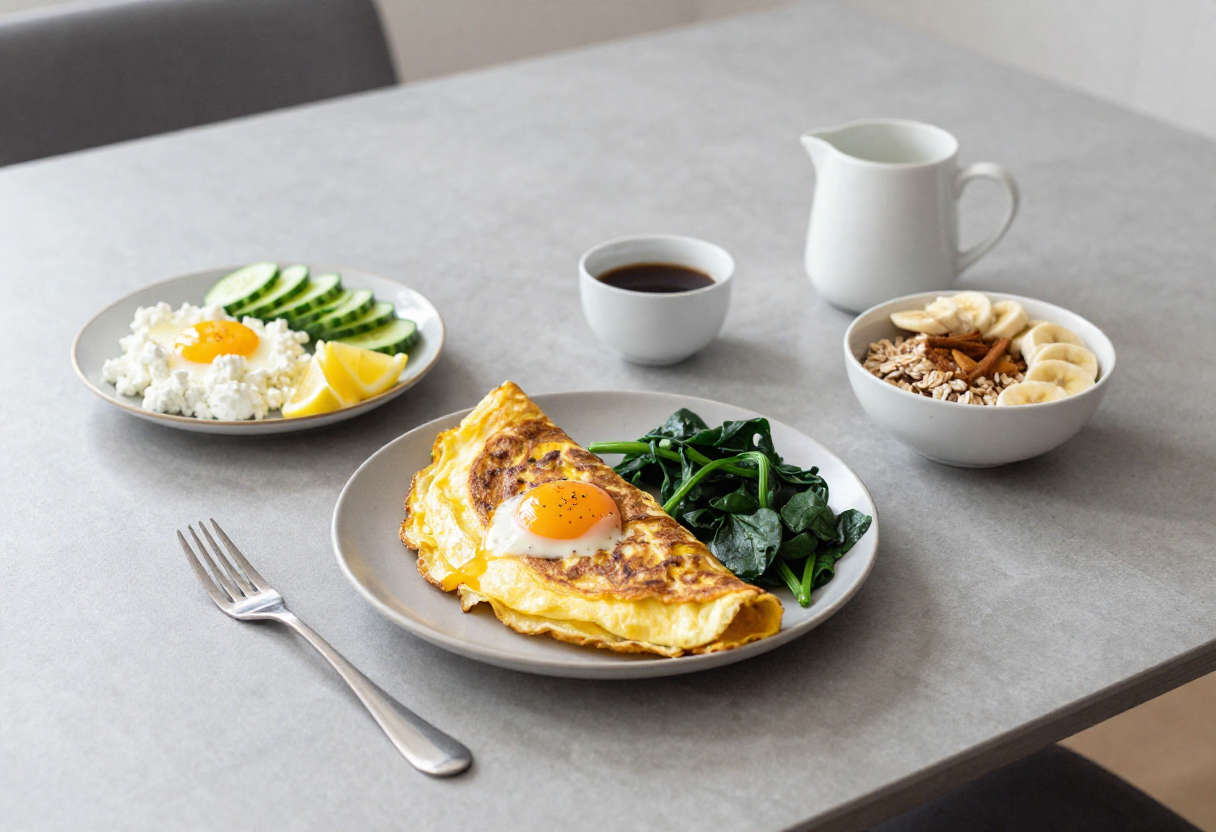
Feeling heavy, puffy, or bloated in the morning isn’t always about overeating—it’s often caused by excess sodium, disrupted digestion, alcohol, poor sleep, or changes in routine. Choosing the right breakfast can make a big difference in how quickly this bloating settles. Healthy low salt breakfasts help gently flush excess water, calm digestion, stabilize blood sugar, and leave your body feeling lighter and more energized.
The wrong morning meals can do the opposite, locking in bloat and leaving you sluggish for hours. The good news? You don’t need complicated recipes or “detox” foods. Simple, low salt breakfasts made from everyday ingredients can make a noticeable difference in just a day or two, supporting digestion and overall comfort.
Why Sodium Causes Morning Bloating
Many breakfast foods and meals can be higher in sodium than your body is used to, which contributes to morning puffiness and bloating. Processed meats, cheese, sauces, gravies, packaged snacks, takeaway meals, and even restaurant breakfasts can all contain more salt than you expect. Sodium pulls water into your tissues, which is why bloating often shows up in the face, fingers, ankles, and stomach.
Overnight, your body retains this fluid, leaving you feeling heavier or puffy in the morning. If your breakfast is also high in sodium — such as bacon, sausages, packaged bread, or store-bought sauces — it reinforces water retention instead of helping your body release it. Choosing healthy, low salt breakfasts with potassium-rich fruits, vegetables, and protein-balanced foods signals to your body that it’s safe to let go of excess fluid.
Swap high-sodium breakfast options for a low-salt breakfast with eggs, oats, chia pudding, or fresh fruit to help your body naturally release retained water.
Many people don’t realize just how long sodium-related water retention can last — in some cases up to several days after a single salty meal, as explained in The Salt Trap: How One Salty Meal Can Make You Bloated for 72 Hours.
What Makes a Healthy Low Salt Breakfast Filling
A healthy low salt breakfast doesn’t have to be bland or unsatisfying. The key is choosing whole foods that naturally contain very little sodium while still providing protein, fiber, and essential minerals. Foods that work especially well include eggs, oats, plain yogurt, fruit, vegetables, seeds, and unsalted nuts.
Potassium-rich foods help balance sodium levels and encourage your body to release excess water, while protein stabilizes blood sugar, reducing cravings and preventing inflammation-driven bloating later in the day. Fiber supports digestion and regular bowel movements, another important factor in preventing morning bloating.
Pair a small serving of oats or chia pudding with a boiled egg and fresh fruit for a healthy low salt breakfast that keeps you full and energized until lunch.
Simple Low-Sodium Breakfast Ideas That Actually Reduce Bloat
These breakfasts use basic ingredients you likely already have. Sodium values are approximate and assume no added salt.

Egg and Spinach Omelet
Eggs are naturally low in sodium and rich in protein, which helps control hunger and blood sugar. Spinach adds potassium and magnesium, supporting fluid balance.
Ingredients:
• 2 large eggs
• 1 cup fresh spinach
• 1 teaspoon olive oil or butter
• Optional: pepper, herbs, garlic powder
Approximate nutrition:
• Calories: 220–250
• Protein: 14–16g
• Sodium: ~140mg
Why it helps:
Protein reduces cortisol-related bloating, while spinach provides minerals that help flush excess sodium.
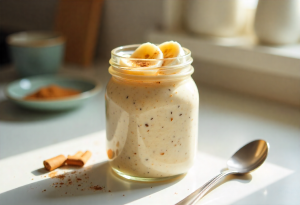
Overnight Oats with Banana and Cinnamon
Overnight oats are gentle on digestion and easy to prep ahead, which is helpful during busy holiday weeks.
Ingredients:
• ½ cup rolled oats
• ½ cup unsweetened almond milk or regular milk
• ½ banana, sliced
• ½ teaspoon cinnamon
• Optional: 1 tablespoon chia seeds
Approximate nutrition:
• Calories: 280–320
• Fiber: 7–9g
• Sodium: ~60mg
Why it helps:
Oats support digestion, banana provides potassium, and cinnamon helps regulate blood sugar.

Greek Yogurt with Berries and Seeds
Plain Greek yogurt is naturally low in sodium and high in protein, making it ideal for reducing bloating without overeating.
Ingredients:
• ¾ cup plain Greek yogurt
• ½ cup mixed berries
• 1 tablespoon pumpkin seeds or flaxseeds
Approximate nutrition:
• Calories: 230–260
• Protein: 15–18g
• Sodium: ~70mg
Why it helps:
Protein keeps you full, berries provide antioxidants, and seeds support gut health.
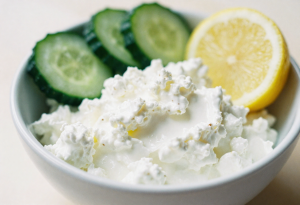
Cottage Cheese with Cucumber and Lemon
Many people avoid cottage cheese due to sodium, but low-sodium versions are widely available and work well for bloat reduction.
Ingredients:
• ½ cup low-sodium cottage cheese
• ½ cup sliced cucumber
• Squeeze of lemon juice
• Optional: cracked pepper
Approximate nutrition:
• Calories: 180–220
• Protein: 14–16g
• Sodium: ~90–120mg (low-sodium version)
Why it helps:
Cucumber is hydrating, lemon supports digestion, and protein stabilizes appetite.
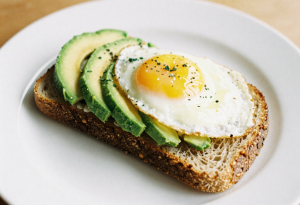
Simple Protein Toast Alternative (Without the Salt Trap)
Instead of salty bread and spreads, this option keeps things light and filling.
Ingredients:
• 1 slice low-sodium wholegrain bread
• 1 egg (fried or boiled)
• Sliced tomato or avocado
• Optional: herbs
Approximate nutrition:
• Calories: 260–300
• Protein: 10–12g
• Sodium: varies by bread (aim under 150mg per slice)
Why it helps:
Combines fiber and protein without processed spreads that cause water retention.
What to Avoid at Breakfast If You’re Bloated
Even “healthy” breakfast foods can worsen bloating if they’re high in sodium or sugar. Foods to limit during post-holiday mornings include processed meats, packaged breakfast bars, store-bought muffins, instant oatmeal packets, flavored yogurts, and takeaway breakfasts. These foods spike insulin and sodium levels, encouraging water retention and digestive discomfort.
Hydration Matters More Than You Think
Ironically, not drinking enough water makes bloating worse. When your body senses dehydration, it holds onto fluid. Pairing a low-sodium breakfast with water or herbal tea helps flush excess sodium. This ties closely with our article – why hydration is one of the most overlooked keys to weight loss and bloat reduction.
How Long Does It Take to Feel Less Bloated
Most people notice reduced puffiness within 24 to 48 hours of lowering sodium and improving hydration. Morning facial swelling often improves first, followed by reduced stomach and finger bloating. Consistency matters more than perfection — one balanced breakfast each morning sends the right signals to your body.
If morning puffiness is something you deal with regularly, it’s often a sign your body is responding to more than just food. We break this down in more detail in Why You Feel Puffy in the Morning (And What It Says About Your Body).
Why This Approach Works Long-Term
These healthy low salt breakfasts don’t rely on restriction or extremes. Instead, they work with your body’s natural fluid regulation systems, helping to reduce morning puffiness and bloating. Over time, this approach can help regulate appetite, reduce inflammation, support digestion, and prevent the recurring cycle of bloating and discomfort that many people experience.
If morning puffiness is a regular issue, understanding how your body responds to sodium and fluid retention can be key to long-term relief. Small, consistent changes at breakfast—like choosing low salt breakfasts with protein, fiber, and potassium-rich foods—can quietly improve how you feel all day. You don’t need complicated “detox” routines; simply giving your body the right signals is enough to rebalance naturally.
For more information on the benefits of low-sodium meals and managing bloating, see American Heart Association – How to Reduce Sodium.
